Wondering what to buy in Vietnam? The best souvenirs from Vietnam are the ones you will enjoy long after your holiday: coffee for slow weekend mornings, a handmade bowl for your kitchen, or a silk scarf with a story behind it.
From Hanoi’s craft shops to Hoi An’s lantern stalls, there is plenty to choose from. The challenge is finding something well made, fairly priced and practical enough to bring home.
This guide covers 17 Vietnamese souvenir ideas, where to shop and what to check before buying.
What are the best souvenirs to buy in Vietnam?
For small, useful gifts, start with Vietnamese coffee and a phin filter, tea, silk scarves or locally made accessories. For your home, consider ceramics, lacquerware or a foldable Hoi An lantern. If you would like something personal, a tailored outfit, embroidered textile or custom stamp can make a lovely keepsake.
Your luggage space matters as much as your budget. A beautiful basket is less appealing if it needs its own suitcase.
1. Vietnamese coffee and a phin filter
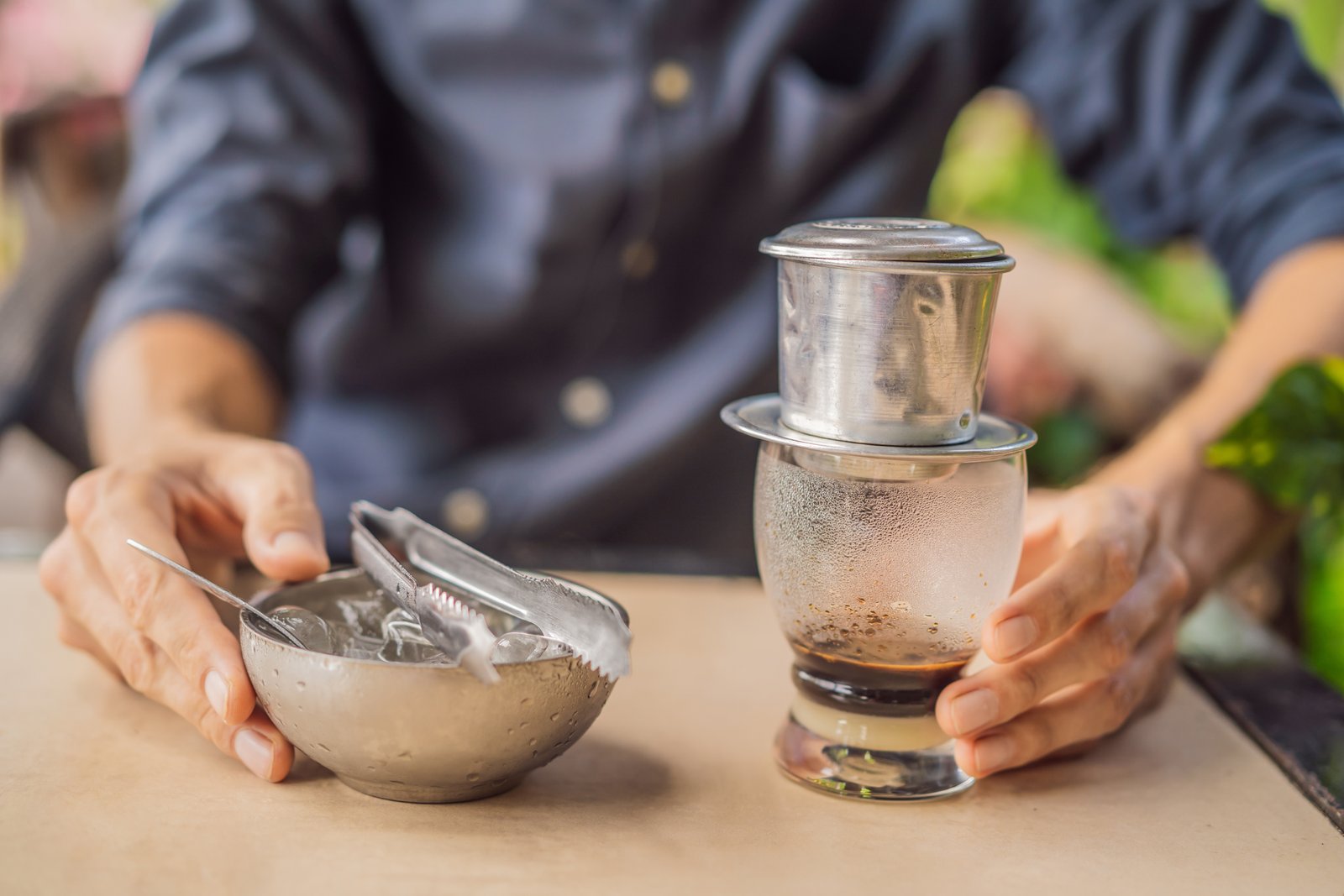
A bag of Vietnamese coffee is a gift you can actually use. Pair it with a phin, the small metal filter used to brew Vietnamese drip coffee, and you can recreate a favourite holiday ritual at home.
Choose whole beans if you have a grinder, or ask for coffee ground for a phin. Rather than assuming every Vietnamese coffee tastes the same, ask about the beans, roast and any added flavourings.
Where to shop: Specialist coffee shops, local roasters and supermarkets in Hanoi, Hoi An and Ho Chi Minh City.
Buying tip: Look for sealed packaging and a roast or best-before date. A phin makes a useful addition, especially for someone who has never brewed Vietnamese coffee.
2. Vietnamese tea

Tea is a thoughtful choice for anyone who prefers a gentler souvenir than another decorative object. Options include Thai Nguyen green tea, Hanoi lotus-scented tea and Shan Tuyet tea from northern mountain regions.
Their flavours vary considerably. Green tea can be brisk and astringent, while lotus tea offers a floral aroma. Ask to taste before buying, where possible.
Where to shop: Specialist tea shops in Hanoi and shops connected to tea-growing regions.
Buying tip: Ask whether lotus tea is traditionally flower-scented or flavoured, as production methods affect both price and taste. Choose airtight packaging.
3. Hoi An lanterns
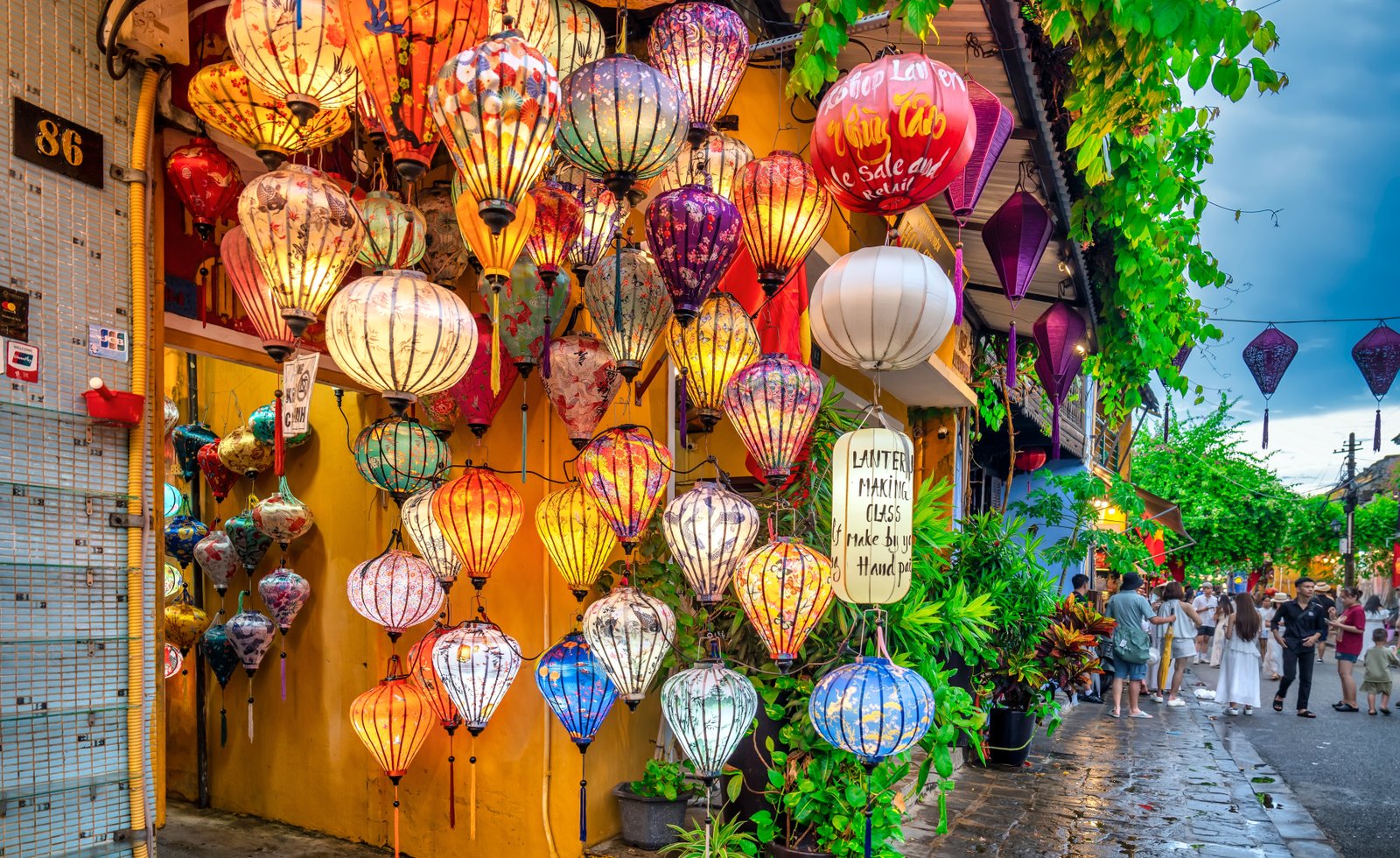
Few souvenirs capture Hoi An quite as well as a colourful lantern. A small one can bring a warm touch to a reading corner or remind you of evenings spent wandering the Ancient Town.
Many souvenir lanterns fold down, making them more practical to pack than they first appear. You can also look for a lantern-making workshop and take home something you helped create.
Where to shop: Hoi An Ancient Town, the night market and lantern workshops.
Buying tip: Ask the seller to demonstrate how the lantern folds. Check whether the covering is silk or another fabric, and remember that a decorative lantern may not include an electrical fitting.
4. Bat Trang ceramics and Vietnamese pottery
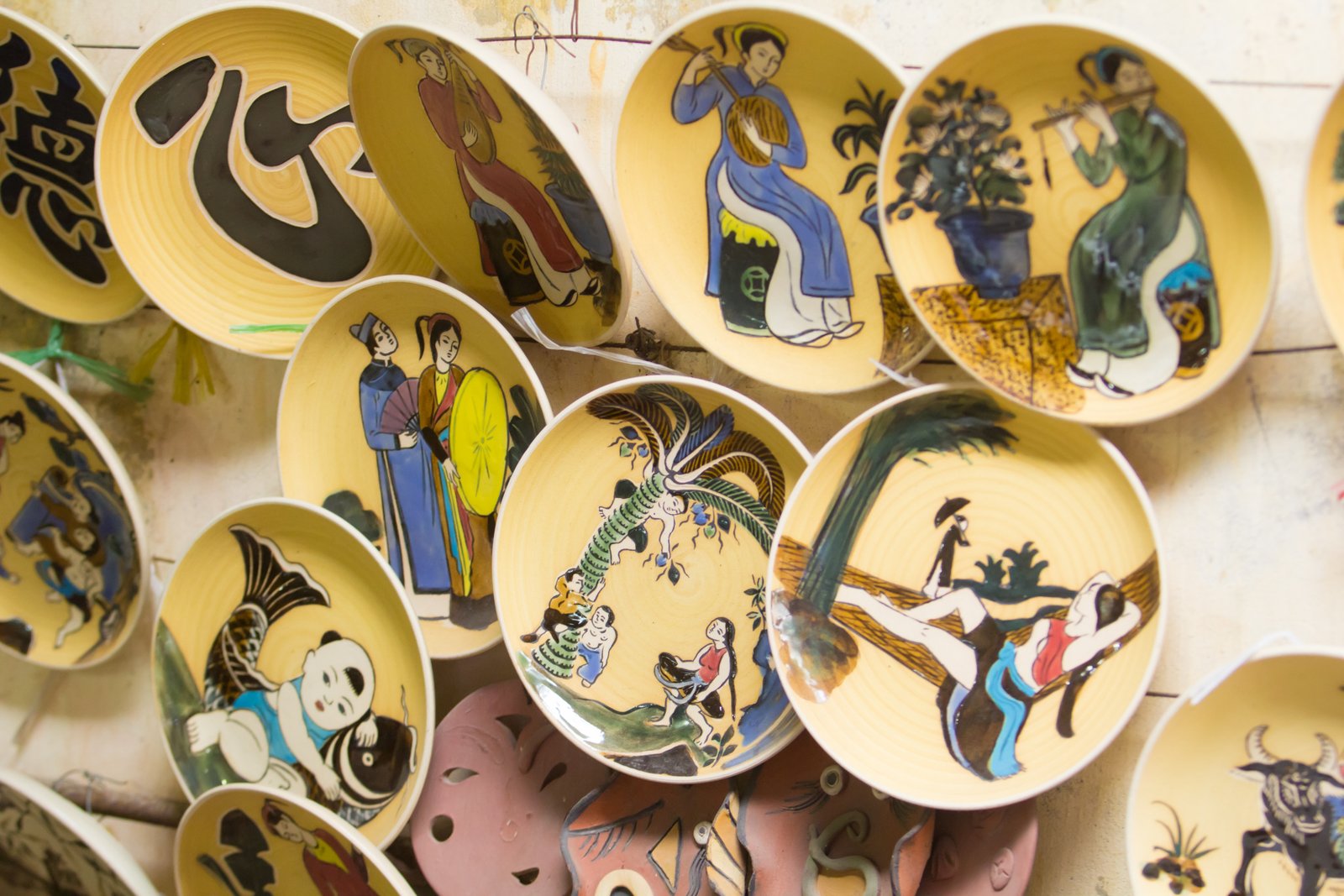
A handmade cup, serving bowl or small vase is one of the most useful Vietnamese souvenirs. It brings a little of the trip into everyday life without needing a special occasion.
Bat Trang, near Hanoi, is a well-known destination for ceramics. Other pottery villages include Phu Lang in northern Vietnam and Thanh Ha near Hoi An, offering different materials and styles.
Where to shop: Pottery workshops, village shops and established ceramics retailers.
Buying tip: Check for chips and cracks. For anything you plan to eat or drink from, ask whether it is intended for food use. Request protective packaging and leave room in your luggage.
5. Vietnamese lacquerware
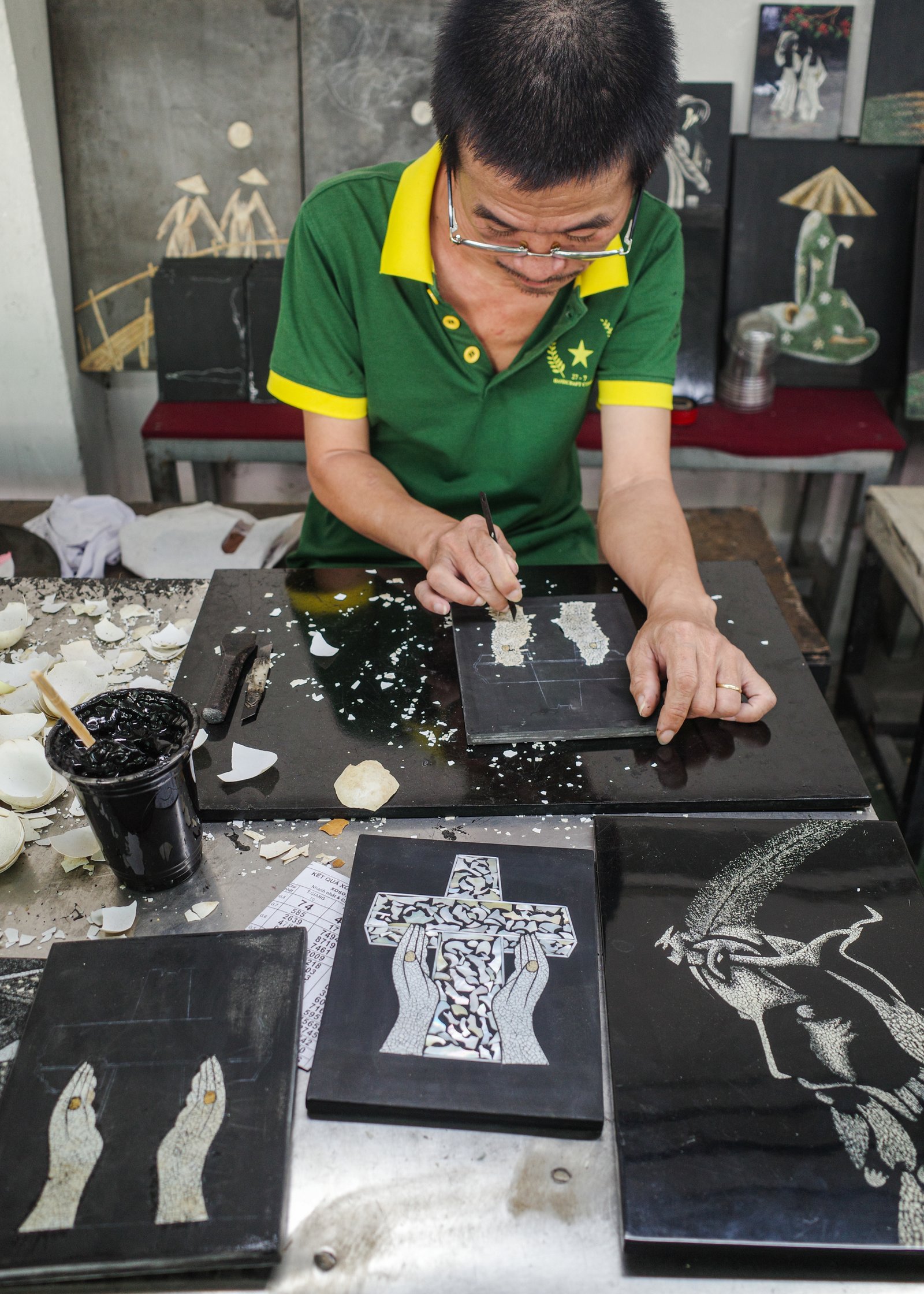
Lacquerware is a good option if you enjoy homeware with rich colours and a polished finish. Small boxes, trays and decorative bowls are easier to bring home than larger pieces.
Quality and production methods vary, so take time to look beyond the glossy surface. A carefully finished piece should feel well made around its edges and base.
Where to shop: Craft shops and galleries in Hanoi, Hue, Hoi An and Ho Chi Minh City.
Buying tip: Ask how the item was made and how to care for it. Do not assume every lacquered bowl is suitable for food or dishwasher use.
6. Vietnamese silk scarves and accessories
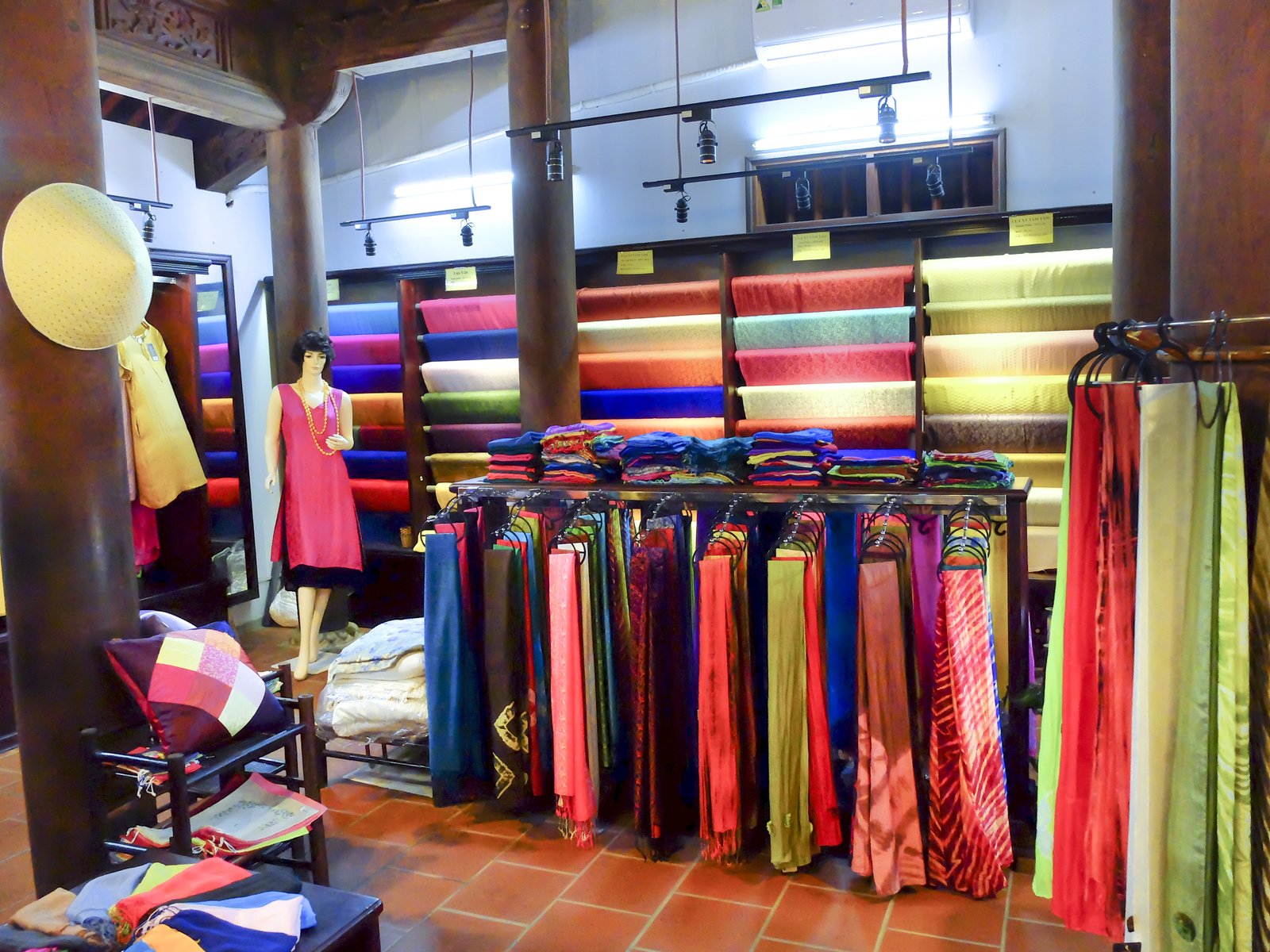
A silk scarf is lightweight, easy to pack and useful once you return home. Cushion covers and small pouches are other options if you prefer something for the house.
Van Phuc, near Hanoi, is associated with silk weaving, while Hanoi and Hoi An have plenty of textile shops. However, products sold as “silk” may be blends or synthetic fabrics.
Where to shop: Van Phuc silk village, Hang Gai Street in Hanoi and established textile shops in Hoi An.
Buying tip: Ask for the fibre composition and care instructions. Price alone does not prove that a fabric is pure silk.
7. Tailor-made clothing in Hoi An
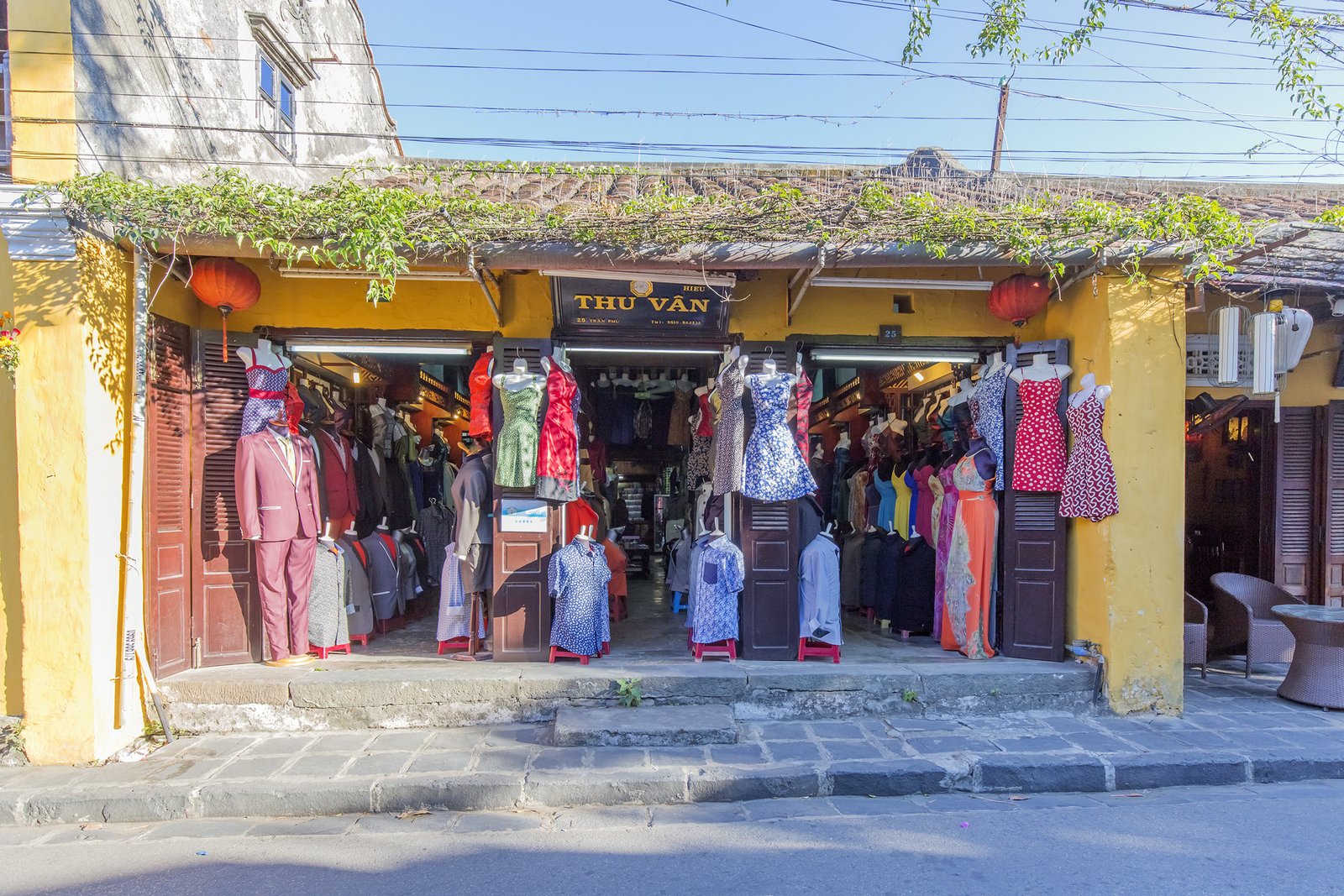
A well-fitting shirt, dress or jacket can be a better souvenir than something that sits on a shelf. Hoi An is known for made-to-measure clothing, with plenty of scope to choose your fabric and shape.
Give yourself time for fittings and adjustments. A rushed order leaves little opportunity to correct the fit before you move on.
Where to shop: Established tailors in Hoi An; compare their work and recent reviews before committing.
Buying tip: Agree on the fabric, design, total price and collection date in writing. Bring reference photographs and check the finished garment carefully.
8. Ao dai
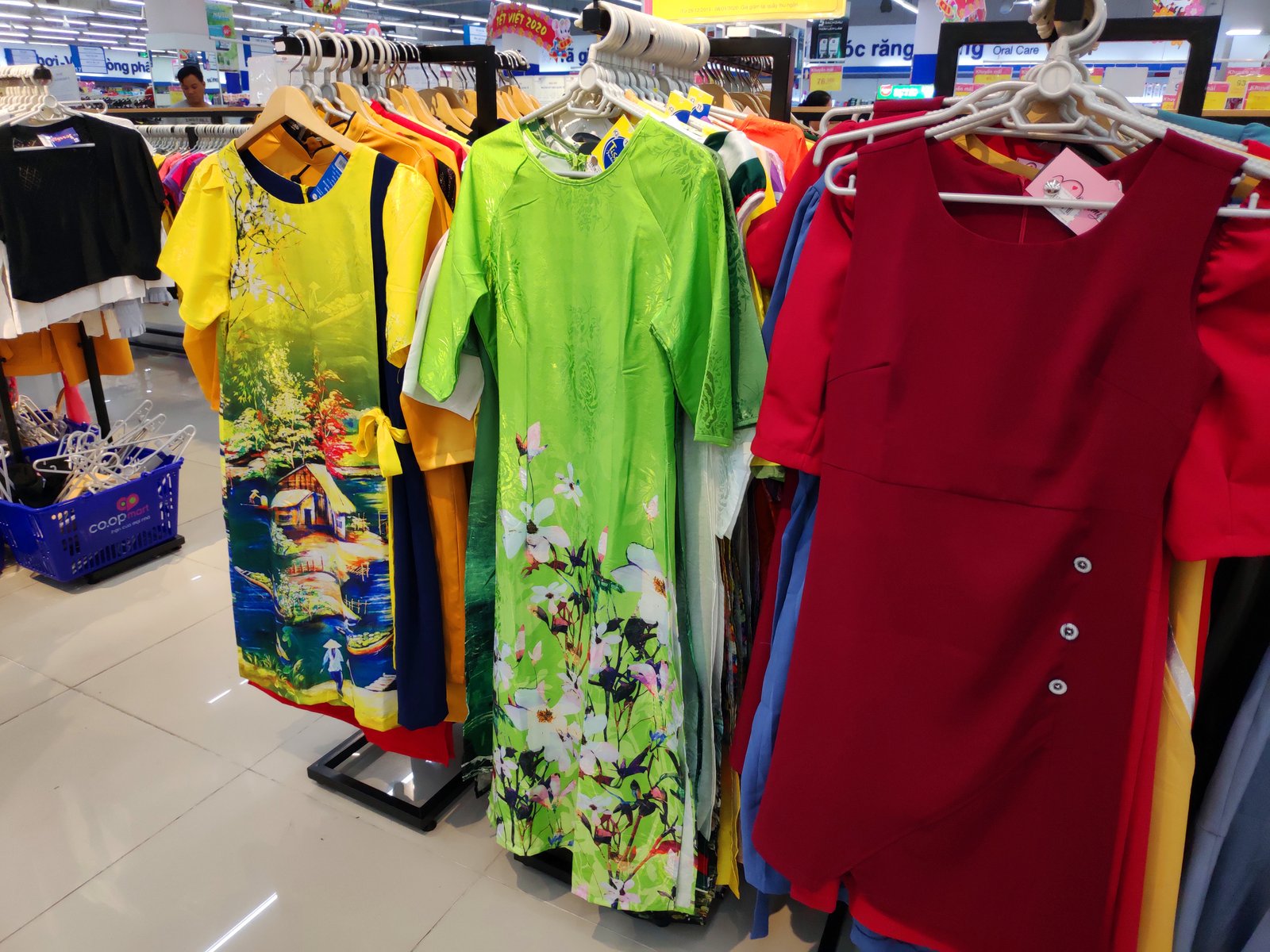
For a souvenir closely associated with Vietnam, consider an ao dai: a long tunic with side splits, traditionally worn over trousers.
It can be a beautiful personal purchase, particularly if you enjoy dressing for special occasions. However, think about when you will wear it before commissioning an elaborate outfit.
Where to shop: Specialist ao dai shops and experienced tailors in Hanoi, Hue and Hoi An.
Buying tip: Try sitting and walking during the fitting. Comfort and movement matter as much as how the outfit looks in a photograph.
9. Hand-embroidered textiles
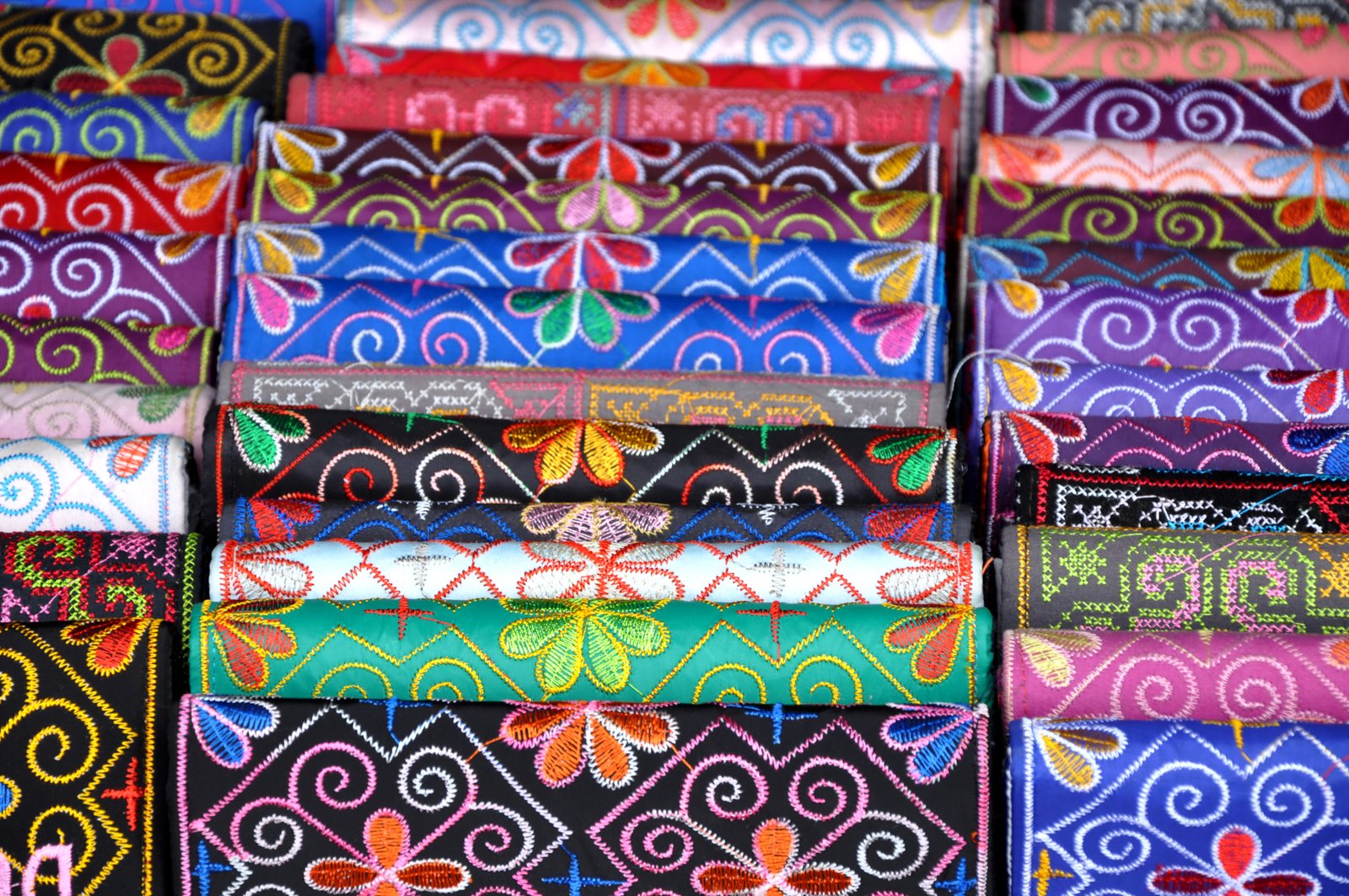
An embroidered table runner, linen napkin or small pouch makes a lovely gift for someone who appreciates detailed work. These pieces are generally easier to pack than framed embroidery.
Quat Dong near Hanoi and Van Lam in Ninh Binh are associated with embroidery. Shops in larger cities also stock a range of textiles.
Where to shop: Artisan workshops, village shops and specialist textile retailers.
Buying tip: Ask which parts are hand-stitched and which are machine-made. Inspect both sides where possible, and check the washing instructions.
10. Textiles made by Vietnam’s ethnic communities
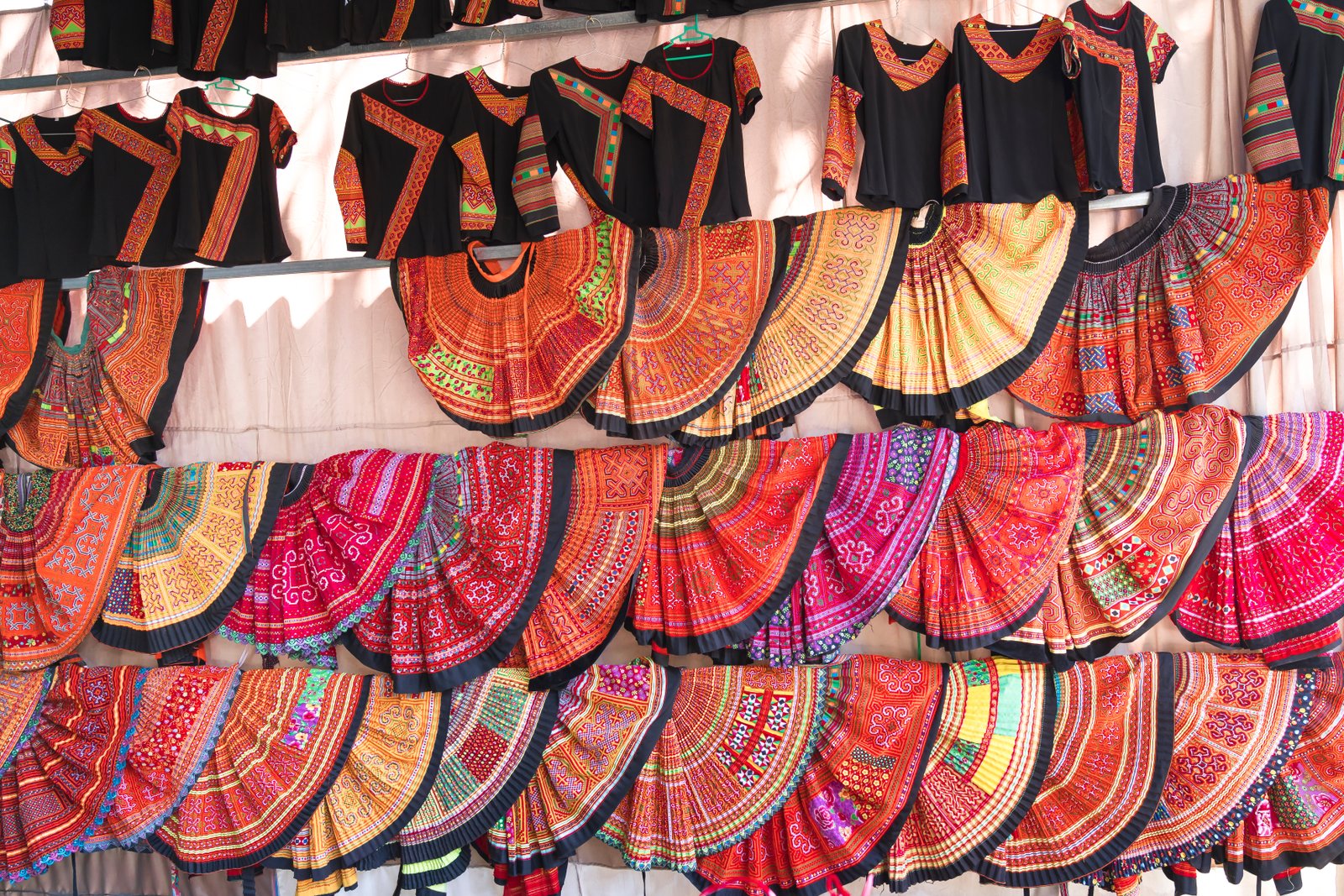
Northern Vietnam offers opportunities to discover textiles made by communities with distinct weaving, dyeing and embroidery traditions. Bags, scarves and cushion covers can be meaningful keepsakes when you understand who made them.
Avoid treating every colourful fabric as the same kind of “traditional brocade”. Materials, techniques and cultural significance differ between communities.
Where to shop: Community workshops and local markets around Sapa, Bac Ha, Ha Giang and Mai Chau, alongside retailers that explain their sourcing.
Buying tip: Ask who made the piece, where it was produced and how the maker is paid. Small irregularities alone do not prove that something is handmade.
11. Bamboo and rattan homeware
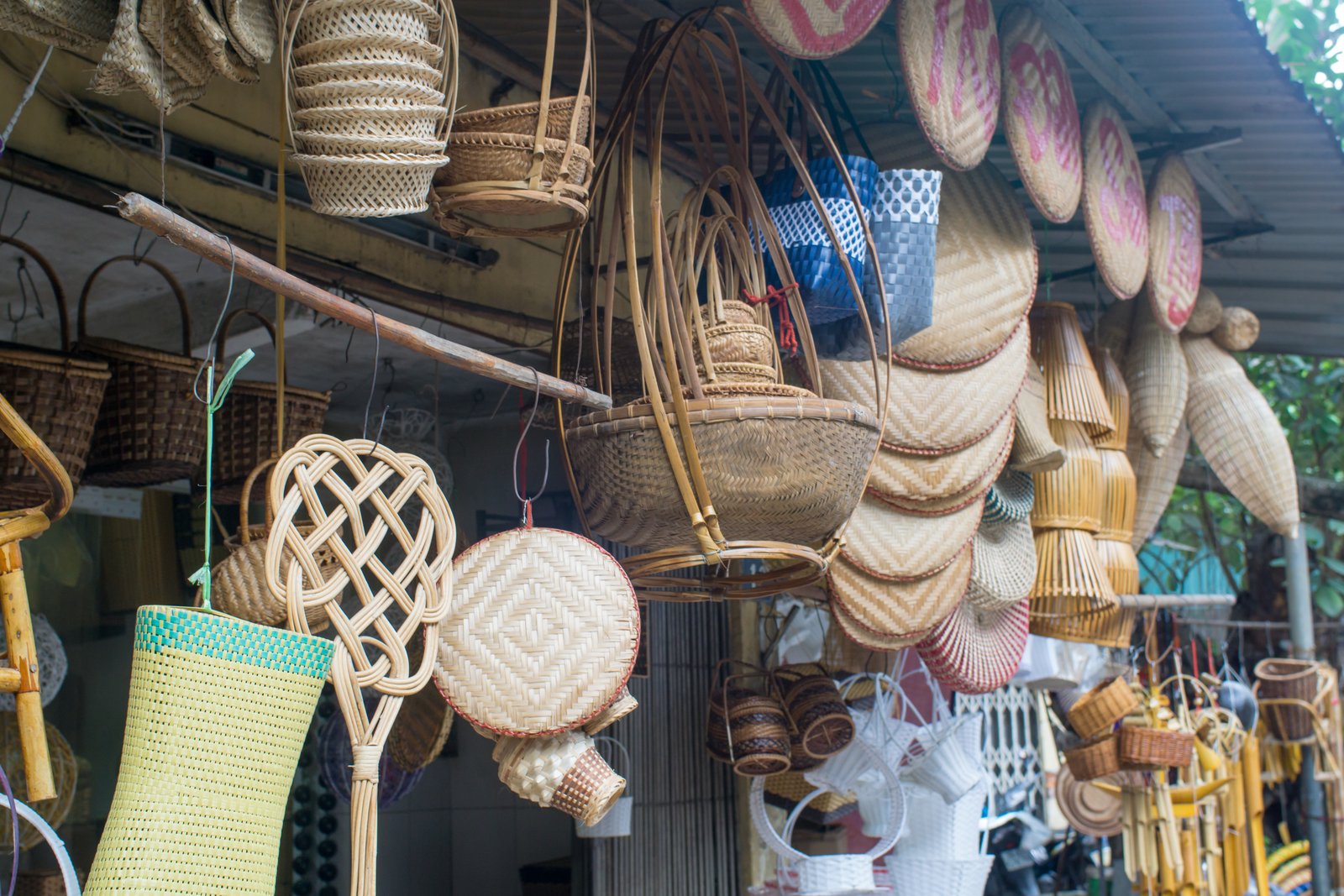
Bamboo and rattan baskets, coasters and trays suit homes with natural textures. For travellers, smaller pieces usually offer the best balance between usefulness and luggage space.
A set of coasters is much easier to bring home than a large woven basket, however tempting it looks in the shop.
Where to shop: Craft villages, homeware boutiques and artisan retailers.
Buying tip: Check for loose weaving, sharp edges and signs of mould. Ask about the finish and any destination-country restrictions on the materials.
12. A Vietnamese conical hat
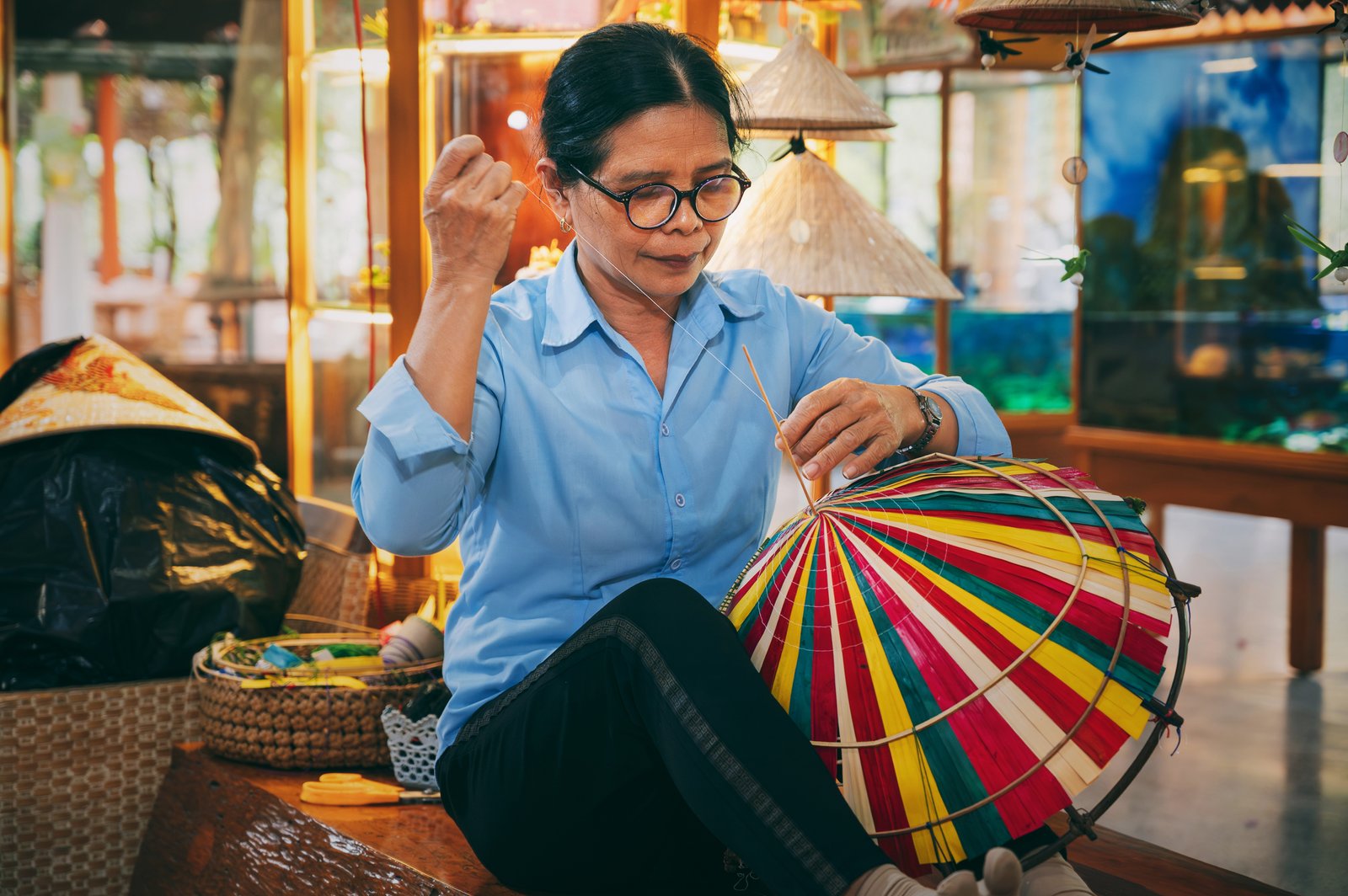
The non la, or Vietnamese conical hat, is one of the country’s most recognisable souvenirs. It can make a striking decorative piece, particularly if you have watched the craft involved in making it.
Chuong village near Hanoi is associated with hat-making. Hue is known for non bai tho, a style with designs or writing revealed when held to the light.
Where to shop: Hat-making villages, local markets and craft shops.
Buying tip: Lightweight does not mean easy to pack. A full-sized hat takes up space and can lose its shape, so plan how you will carry it home.
13. Vietnamese calligraphy
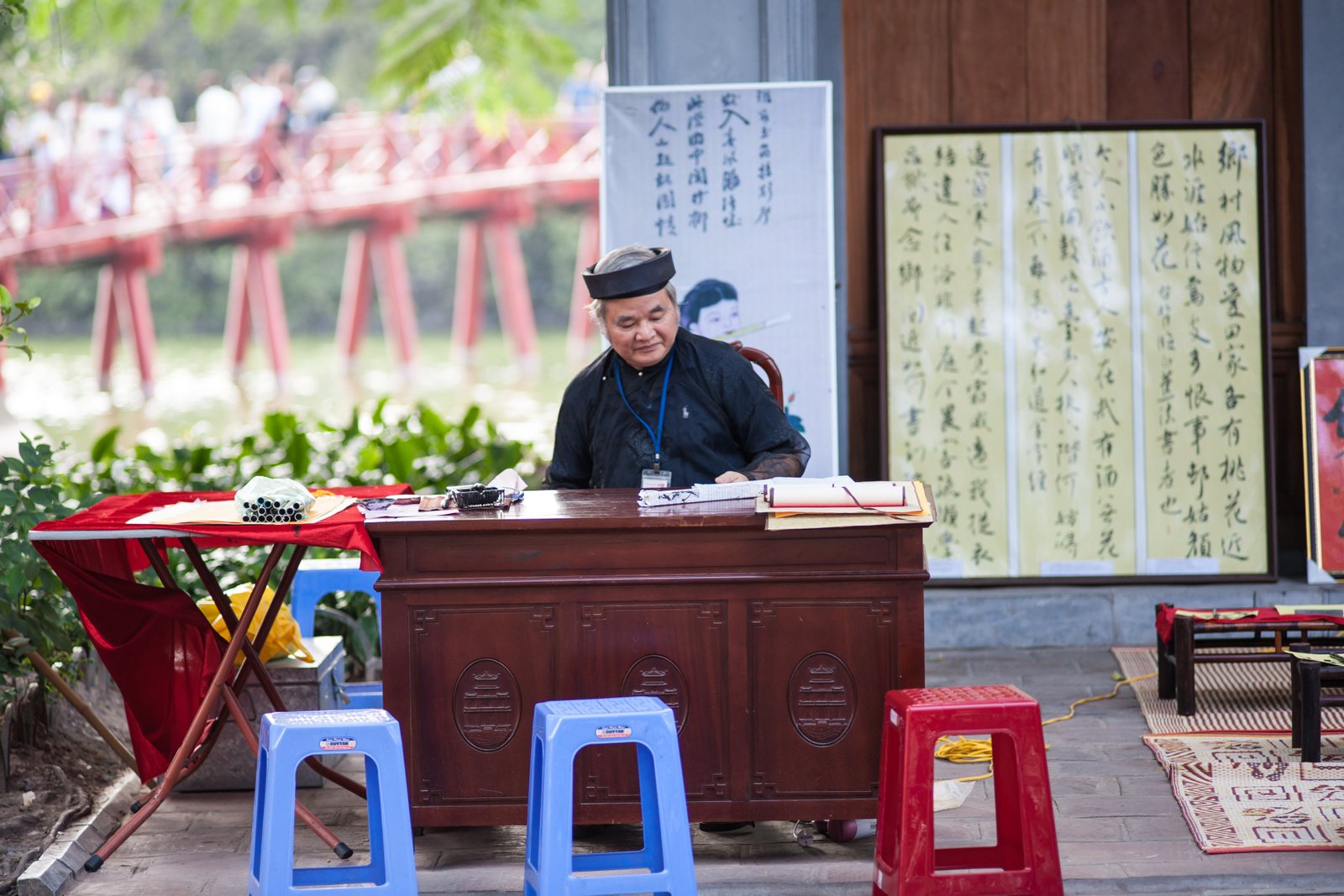
A personalised piece of calligraphy offers something more individual than a standard souvenir. You might choose a name, a meaningful phrase or a word connected with your journey.
Calligraphy can use different scripts and styles, so discuss what you want rather than choosing solely by appearance.
Where to shop: Art and calligraphy shops in Hanoi. You may also encounter calligraphers around cultural sites such as the Temple of Literature, depending on events and availability.
Buying tip: Confirm the meaning and spelling before the work begins. Ask for a protective tube or rigid packaging.
14. Vietnamese spices and cooking ingredients
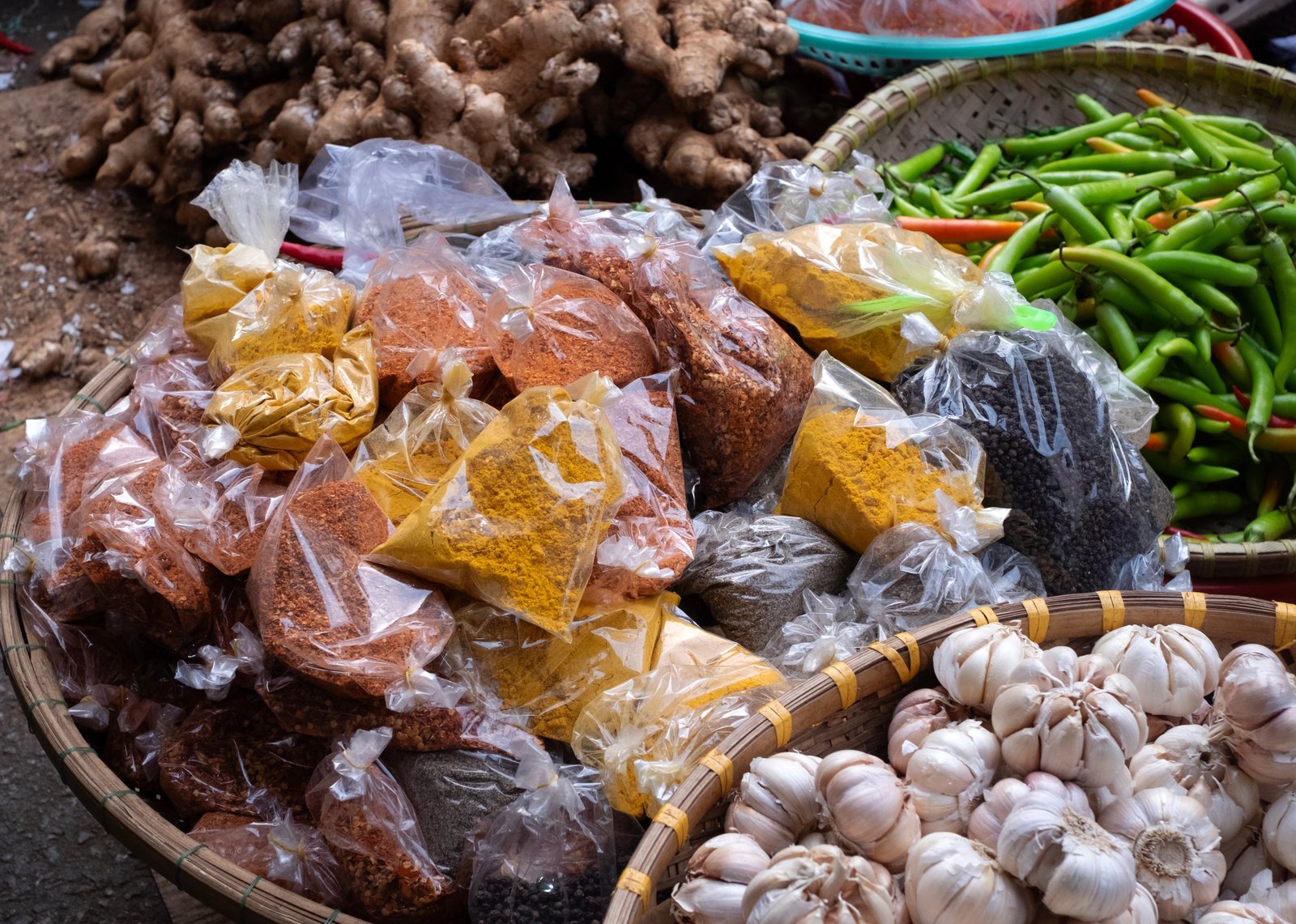
If your favourite holiday memories involve food, bring home ingredients you will use in your own kitchen. Dried cinnamon, star anise, pepper or a clearly labelled spice blend can help you revisit those flavours.
Choose ingredients that suit the dishes you actually cook. A smaller selection you understand is more useful than a large bag of unfamiliar seasonings.
Where to shop: Food shops, supermarkets and established spice sellers.
Buying tip: Prefer clearly labelled, processed and packaged products. Check customs rules before buying fresh herbs, roots, seeds or ingredients containing animal products.
15. Vietnamese sweets and dried fruit
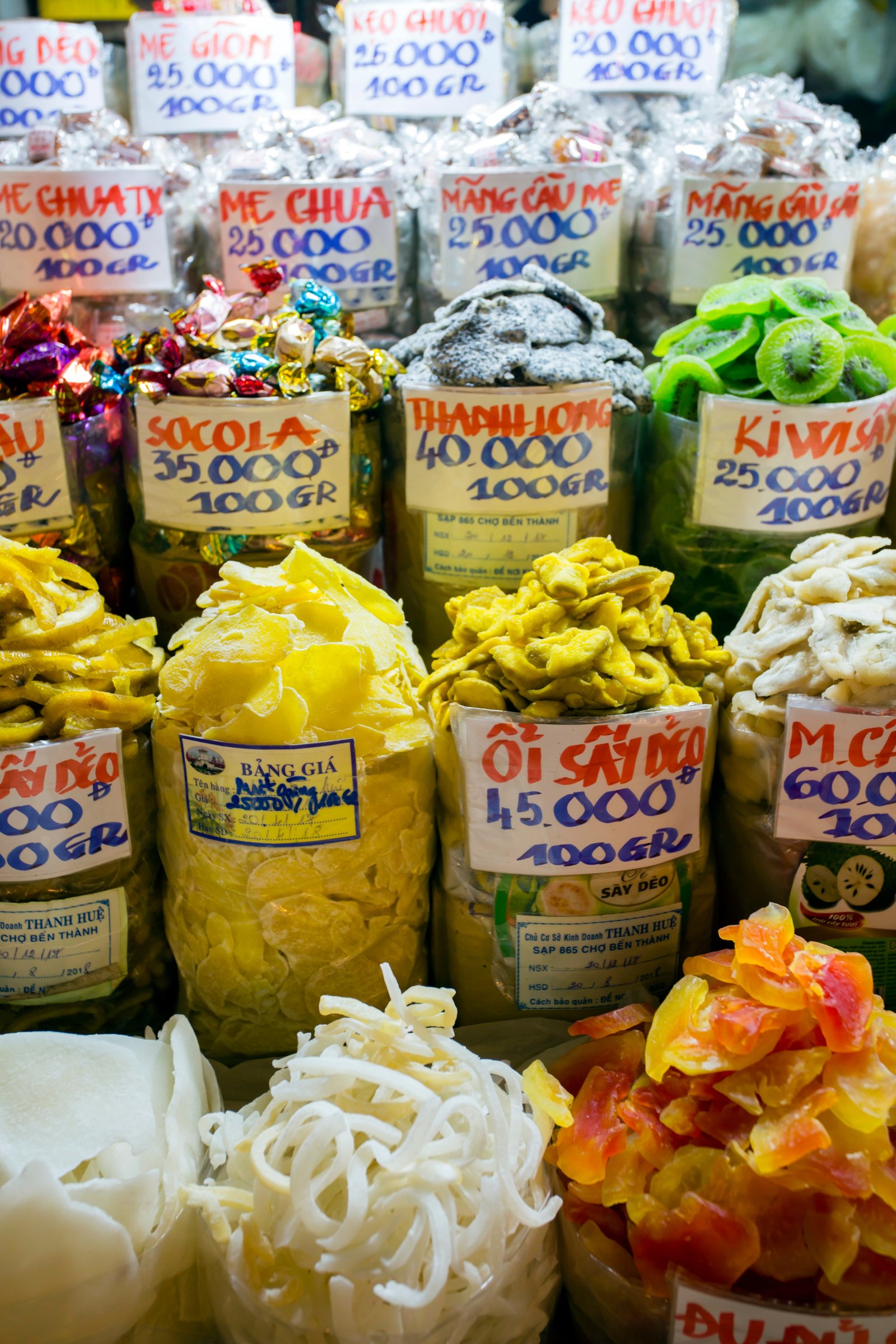
For small gifts to share, consider coconut sweets from the Mekong Delta, Hanoi’s sweet-sour o mai or banh dau xanh, the crumbly mung bean cakes often enjoyed with tea.
Packaged dried mango and jackfruit are other options. Taste first if you can: some treats are savoury, salty or tangy rather than simply sweet.
Where to shop: Specialist confectionery shops, supermarkets and markets such as Dong Xuan in Hanoi.
Buying tip: Check ingredients, allergens and expiry dates. Sealed packaging helps with transport, but it does not override food import restrictions.
16. Cultured pearl jewellery
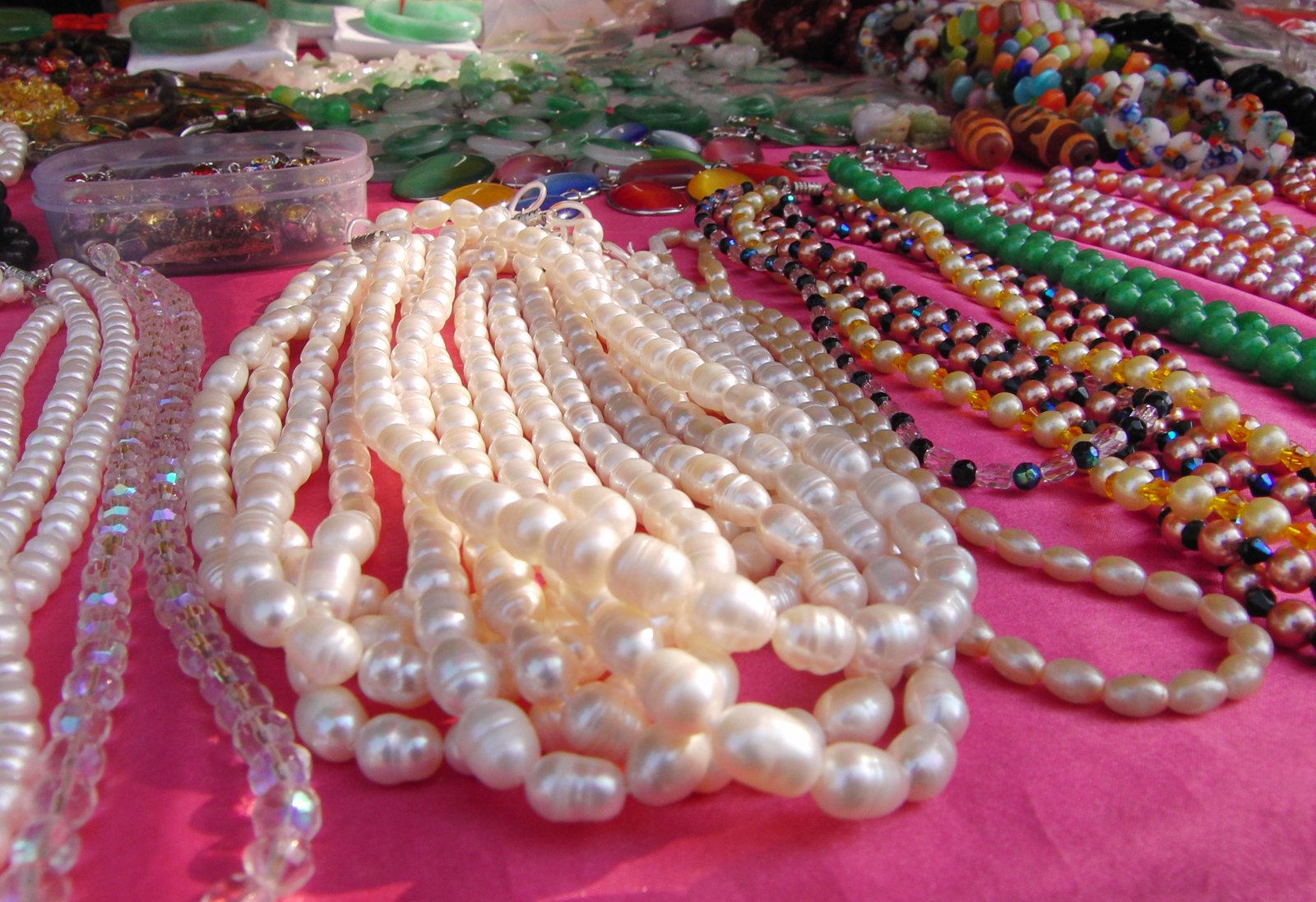
Cultured pearl earrings or a pendant can be a lasting souvenir if you are looking for something special. Phu Quoc is associated with pearl farming, and jewellery shops offer pieces at a wide range of prices.
Take particular care with claims about origin and quality. Buying a pearl on Phu Quoc does not automatically establish that it was farmed there.
Where to shop: Established pearl businesses and jewellers who provide clear product information.
Buying tip: Ask whether the pearl is cultured or imitation, where it originated and what metal is used in the setting. Request an itemised receipt; a seller’s certificate alone is not independent verification.
17. Personalised wooden stamps and Vietnamese art
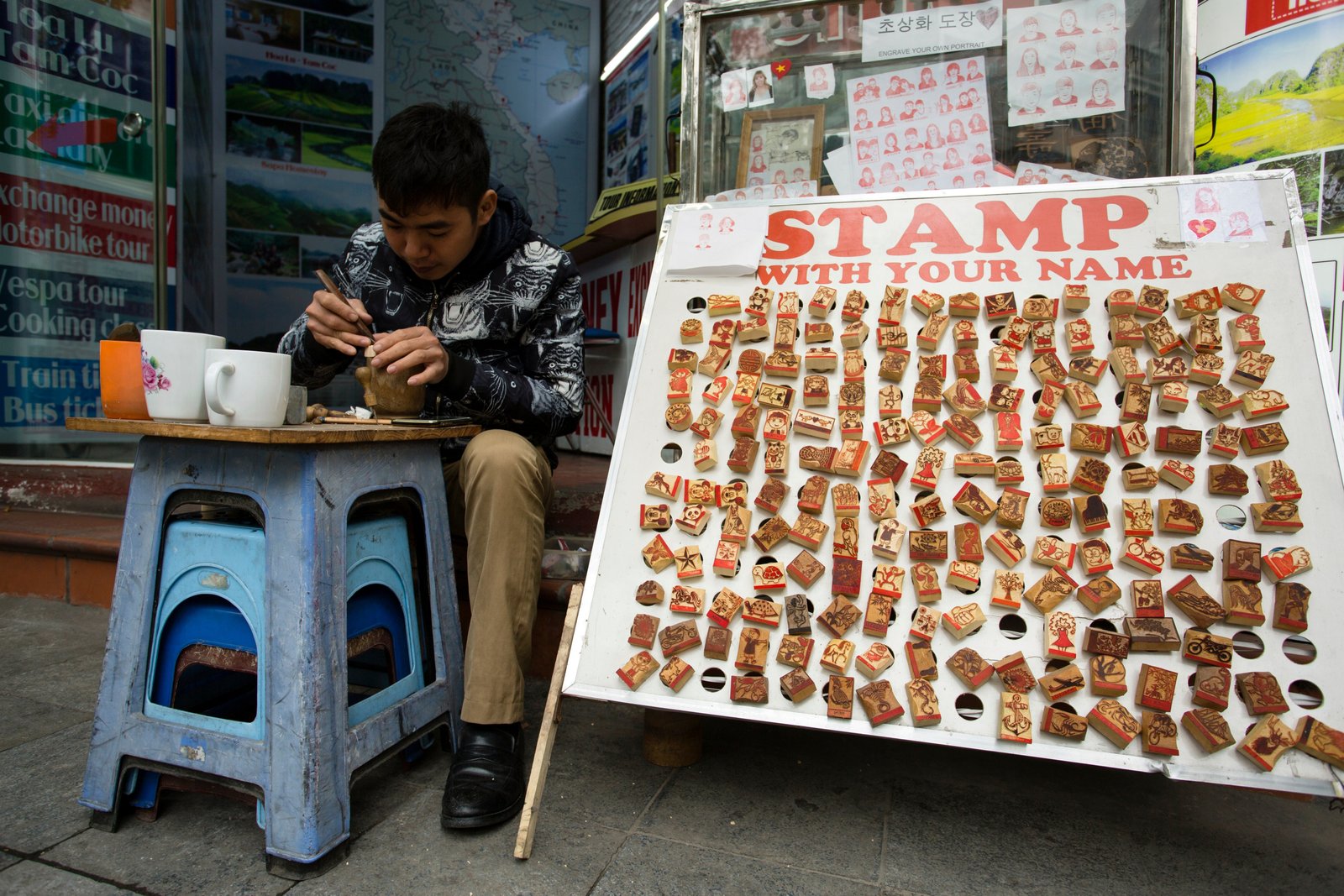
For a compact keepsake, a custom wooden stamp featuring your initials or a simple design is a charming option. Look around Hanoi’s Old Quarter, including Hang Quat Street, and confirm the production time before ordering.
If you prefer art, browse galleries for original paintings, prints or smaller works that fit your budget and luggage.
Where to shop: Stamp makers in Hanoi’s Old Quarter and established galleries in Hanoi, Hue, Hoi An and Ho Chi Minh City.
Buying tip: Check your stamp design before carving begins. For artwork, clarify whether it is an original, print or reproduction, and ask about packing and any export documentation needed.
Where to buy souvenirs in Vietnam
Markets are useful for browsing and comparing styles, while workshops can give you a clearer view of how an item is made. Neither setting guarantees quality: ask questions wherever you shop.
| Destination | Places to browse | Souvenirs to look for |
|---|---|---|
| Hanoi | Old Quarter, Hang Gai Street and Dong Xuan Market | Silk accessories, coffee, sweets and personalised stamps |
| Around Hanoi | Bat Trang, Van Phuc and Chuong villages | Ceramics, textiles and conical hats |
| Hue | Dong Ba Market and specialist craft shops | Conical hats, ao dai and local crafts |
| Hoi An | Ancient Town, night market and tailor workshops | Lanterns, clothing, textiles and artwork |
| Ho Chi Minh City | Ben Thanh Market, independent boutiques and coffee shops | Coffee, lacquerware and contemporary gifts |
| Northern mountain regions | Community workshops and local markets | Woven and embroidered textiles |
| Phu Quoc | Established pearl businesses and jewellers | Cultured pearl jewellery |
For more considered purchases, choose retailers that can explain their materials, makers and production methods. Check current shop locations and opening hours before making a special journey.
Tips for souvenir shopping in Vietnam
Choose quality over quantity
One well-made item you will use often is usually more satisfying than a suitcase full of impulse purchases. Decide who you are buying for and what they would enjoy.
Bargain politely where appropriate
Some market stalls expect negotiation; fixed-price boutiques and many artisan shops do not. Ask whether the price is fixed and keep the conversation friendly.
Ask about origin and materials
“Local”, “handmade” and “silk” are claims worth checking. Ask specific questions, especially for expensive textiles, jewellery and artwork.
Plan for packing
Ceramics need cushioning, lanterns need protection and conical hats need space. Check your airline’s baggage allowance before buying anything bulky.
Keep receipts
Retain receipts for valuable purchases and ask for written details when ordering custom clothing or jewellery.
Can you bring Vietnamese souvenirs back to the UK?
Most everyday souvenirs are straightforward to pack, but food, plant materials and wildlife products require extra care.
For travellers returning to Great Britain, food rules depend on ingredients and processing. Official guidance permits various processed and packaged plant products, while meat and dairy imports from Vietnam are generally prohibited, subject to specified exceptions. Confectionery also has conditions.
Do not assume a food is permitted simply because it is sealed or sold at the airport. Check the current GOV.UK food import guidance before buying. Northern Ireland has different rules.
Valuable purchases may also affect your personal customs allowance. Consult GOV.UK guidance on bringing goods into the UK, particularly before buying expensive jewellery or artwork.
Frequently asked questions
What are the best small gifts from Vietnam?
Coffee, tea, silk scarves, small embroidered accessories and personalised stamps are practical choices. Packaged sweets can also work well, provided their ingredients meet your destination’s import rules.
What should I buy in Hanoi?
Hanoi is a good place to browse for coffee, tea, silk accessories, calligraphy and custom stamps. For ceramics, consider a visit to nearby Bat Trang.
What souvenirs is Hoi An known for?
Hoi An is particularly associated with decorative lanterns and tailor-made clothing. You can also browse textiles, craft shops and galleries around the Ancient Town.
How much should I spend on Vietnamese souvenirs?
There is no single reliable price range. Costs depend on materials, workmanship, size and where you shop. Compare like-for-like items and agree the full price before ordering anything bespoke.
How can I find authentic Vietnamese handicrafts?
Ask who made the item, what materials were used and where it was produced. Workshops and transparent retailers can help you understand the purchase, but appearance or location alone does not guarantee authenticity.
Make local crafts part of your Vietnam holiday
The most memorable souvenir shopping often begins with meeting the person who makes the piece. A pottery visit, textile workshop or lantern-making session can give you both a keepsake and a story to bring home.
Planning a tailor-made Vietnam holiday? Tell Mekong Mosaic what interests you, from ceramics and textiles to local food, and ask about including craft villages or workshops in your itinerary.