Coffee in Vietnam is more than a beverage – It’s a lifestyle and way of living freely
Vietnamese coffee culture is one of the most distinctive and meaningful cultural experiences for many who visit Vietnam. Here, coffee is never just a drink; it is a moment, a ritual, and a reflection of the country’s rhythm of life.
In the West, coffee is often a “grab-and-go” habit, quickly consumed on the way to work. In Vietnam, however, coffee invites you to slow down. It encourages you to stay present, watch the world unfold, and appreciate a simple moment in everyday life. Something increasingly rare in our modern, fast-paced world. Coffee is meant to slow you down, bring people together, and help you stay present in the moment.
Whether you’re sipping a cup beside the peaceful lake of Hanoi or enjoying a sweet bạc xỉu in bustling Saigon, Vietnamese coffee tells a story far deeper than just a drink. It is history, creativity, identity, and lifestyle embedded into our culture.
Origin of Vietnamese Coffee
Coffee first entered Vietnam during the French colonial period in the late 19th century. What began as an imported luxury quickly evolved into a cultural cornerstone, thanks to the adaptability of the Vietnamese people and the country’s fertile highlands.
Fresh milk was expensive and difficult to access, so sweetened condensed milk became the practical alternative for many households. This simple substitution shaped what the world now recognizes as Vietnamese iced coffee (cà phê sữa đá), creating a richer, creamier flavour that balanced the intensity of the coffee itself.
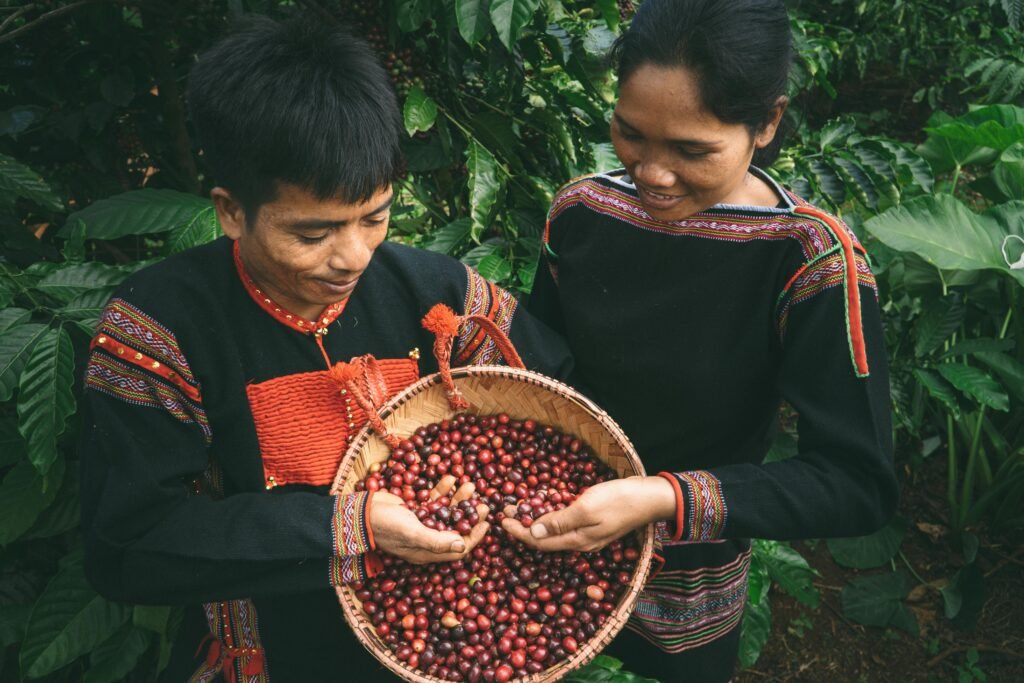
Over time, Vietnam’s Central Highlands, especially Buon Ma Thuot, Dak Lak, and Da Lat, became major coffee-growing regions. Today, Vietnam is the world’s second-largest coffee producer, known primarily for Robusta beans, which are naturally stronger and higher in caffeine than Arabica.
This foundation explains why coffee in Vietnam tastes noticeably bolder to first-time visitors.
Vietnam Becomes a Coffee Powerhouse
Over generations, the Central Highlands, especially Buon Ma Thuot, Dak Lak, and Da Lat, became prime coffee-growing regions. According to the International Coffee Organization, Vietnam is the world’s second-largest coffee producer, with Robusta beans accounting for the majority of national output. The robust flavour is the reason Vietnamese coffee has a reputation for being shockingly strong to first-time visitors, making it addictive for many who want to come back for more!
Explore [Anchor Link]
The Phin Filter: The Heart of Vietnamese Coffee
The phin filter is at the heart of Vietnamese coffee culture. This small metal dripper sits directly on the cup, allowing coffee to brew slowly, drop by drop.
Unlike espresso machines that rely on pressure and speed to extract the coffee, the phin takes its time. This slow extraction produces a heavier body, deeper aroma, and more concentrated flavour. Watching the coffee drip is part of the experience. It sets the pace and encourages patience.
The phin is simple, but symbolic. It reflects a way of living that values intention over efficiency.
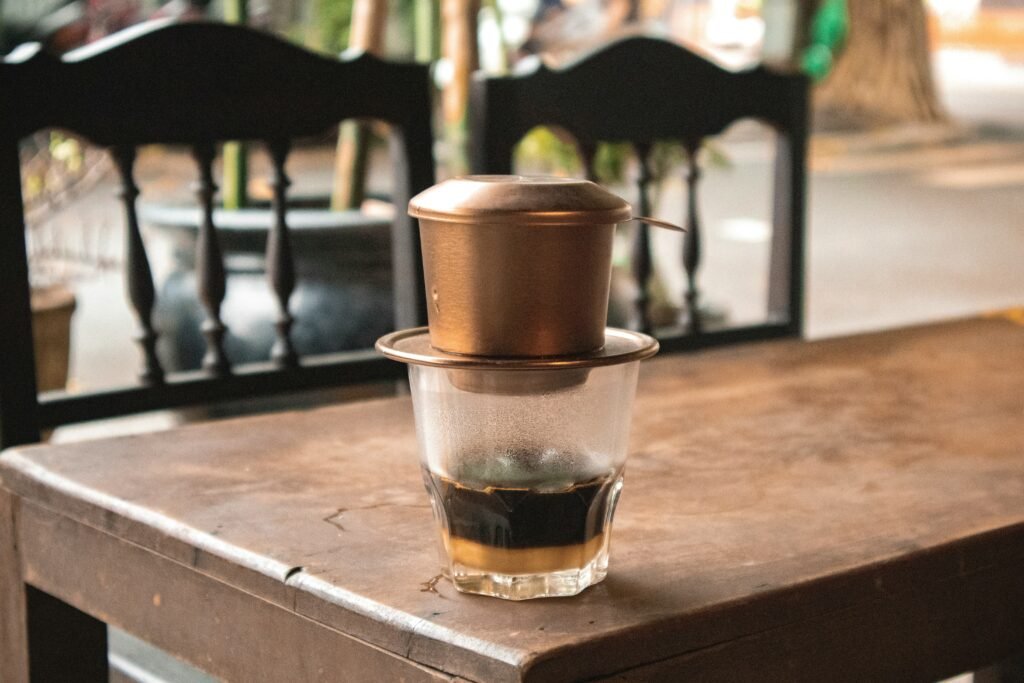
The phin is simple but symbolic: it represents patience, intention, and a lifestyle that refuses to rush meaningfully lived moments.
For travellers interested in experiencing Vietnam’s coffee culture beyond the cup, discover immersive coffee workshops and hands-on cultural experiences across the country.
Why Coffee Became a Social Ritual in Vietnam
Coffee is never rushed in Vietnam
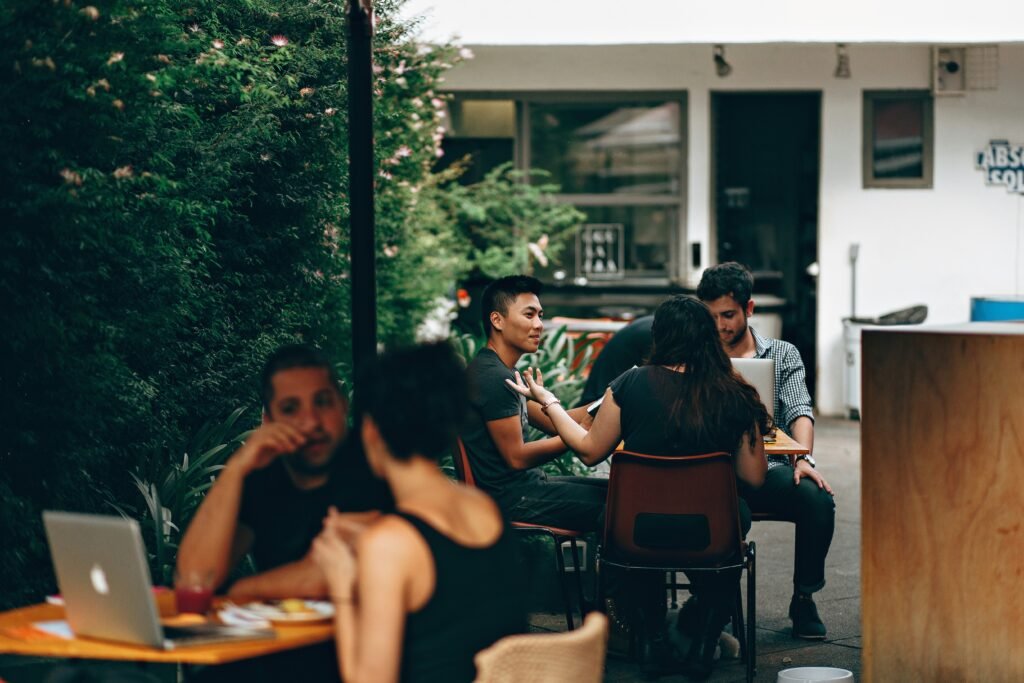
In Vietnam, coffee is a pause, not a product. Locals don’t simply drink coffee to wake up. They drink it to:
- Start conversations
- Observe daily life
- Gather with friends
- Sit alone and think
- Enjoy the present moment
- Take a mental break
You’ll see this everywhere: people sitting on tiny stools, slowly sipping a phin-brewed coffee while watching motorbikes pass by. Coffee shops are not merely businesses; they are community hubs, where stories begin, friendships deepen, and daily stress fades away.
Compared to Western coffee culture, which is fast, transactional, and mobile, Vietnam’s approach is grounded in:
- presence (sitting, not rushing)
- connection (faces, not screens)
- simplicity (a cup, a stool, a conversation)
- mindfulness (drinking, not multitasking)
This slow culture is part of what makes Vietnamese travel feel so refreshing for visitors from busier parts of the world.
Signature Vietnamese Coffees
Cà Phê Sữa Đá (Vietnamese Iced Coffee)
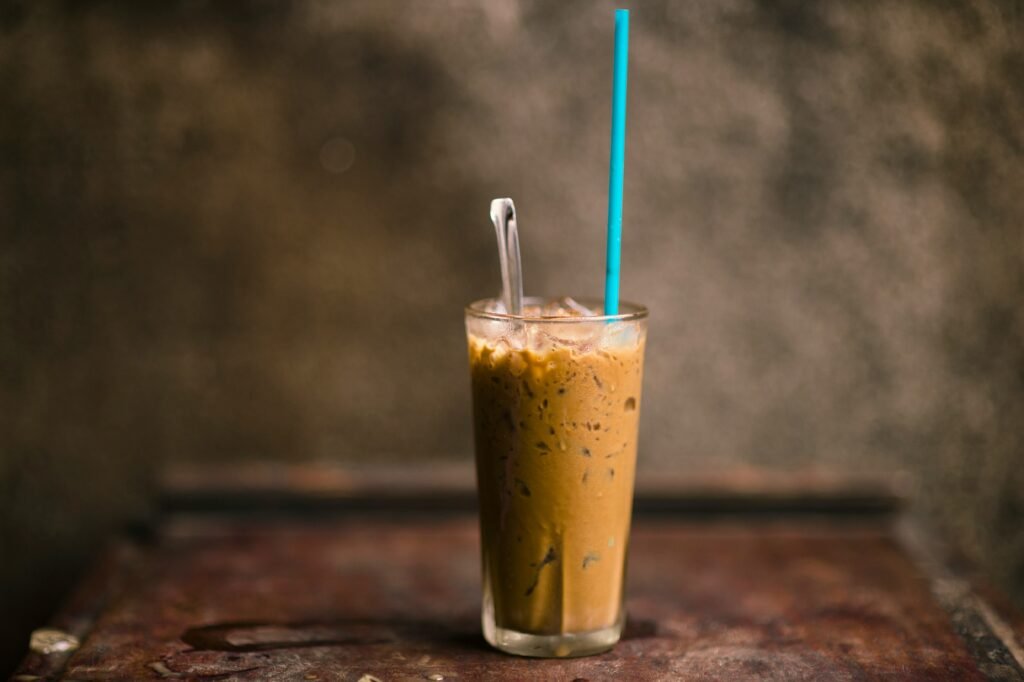
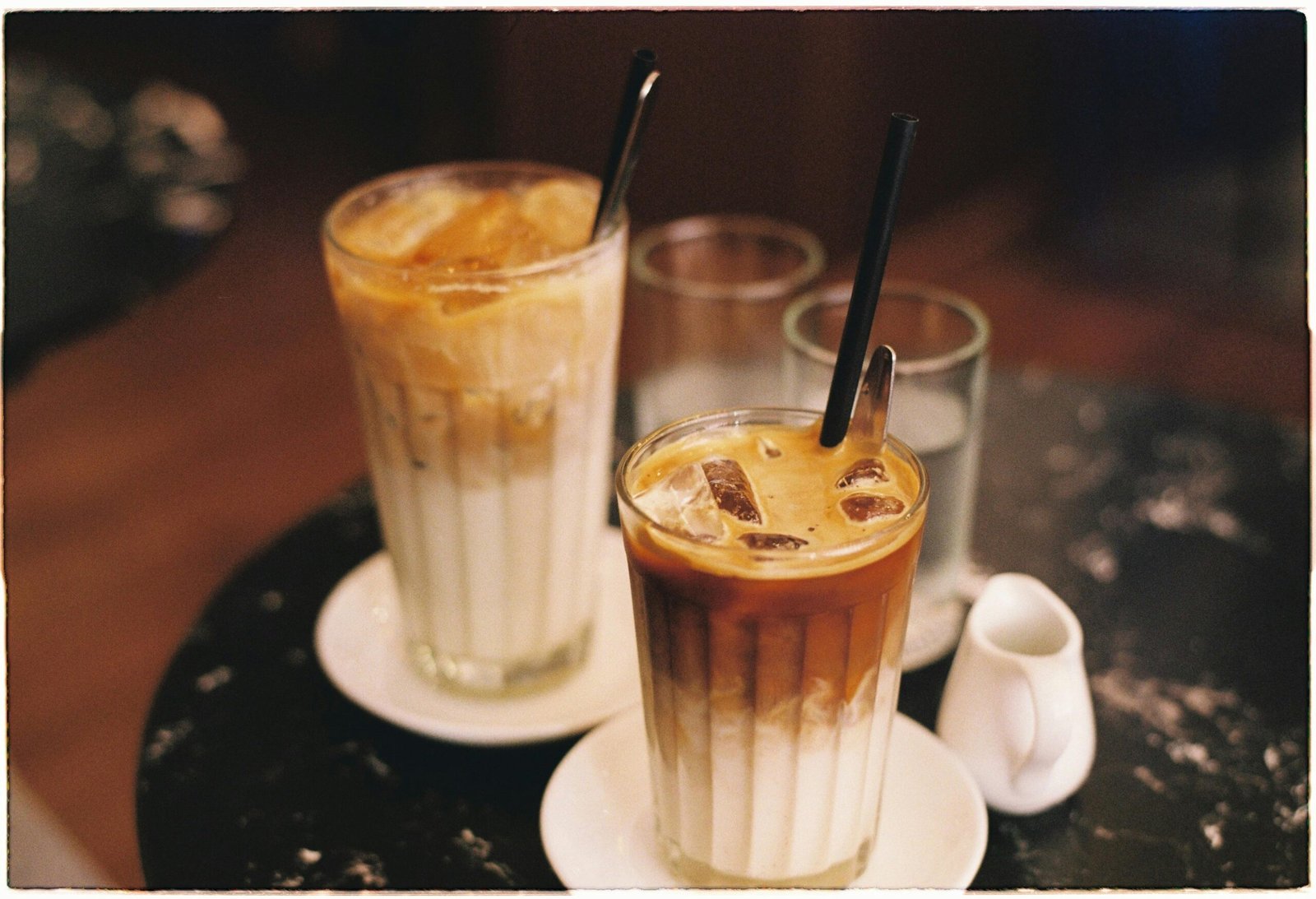
Ca Phe Sua Da is the most recognizable coffee in Vietnam. Grounded Vietnamese Robusta beans are brewed through a phin, poured over ice, and mixed with condensed milk. The result is bold yet balanced of bitter and sweetness. Born from necessity when fresh dairy was scarce, it became beloved for its creamy sweetness and powerful kick. It reflects Vietnam’s gift for transforming limitations into creativity.
Strong Robusta coffee is brewed through a phin, then poured over ice and mixed with condensed milk. A perfect balance between bitterness and sweetness. It is richer than a Western iced latte, stronger than cold brew, and carries the unmistakable depth of Robusta beans.
Cà Phê Đen (Phin Black Coffee)
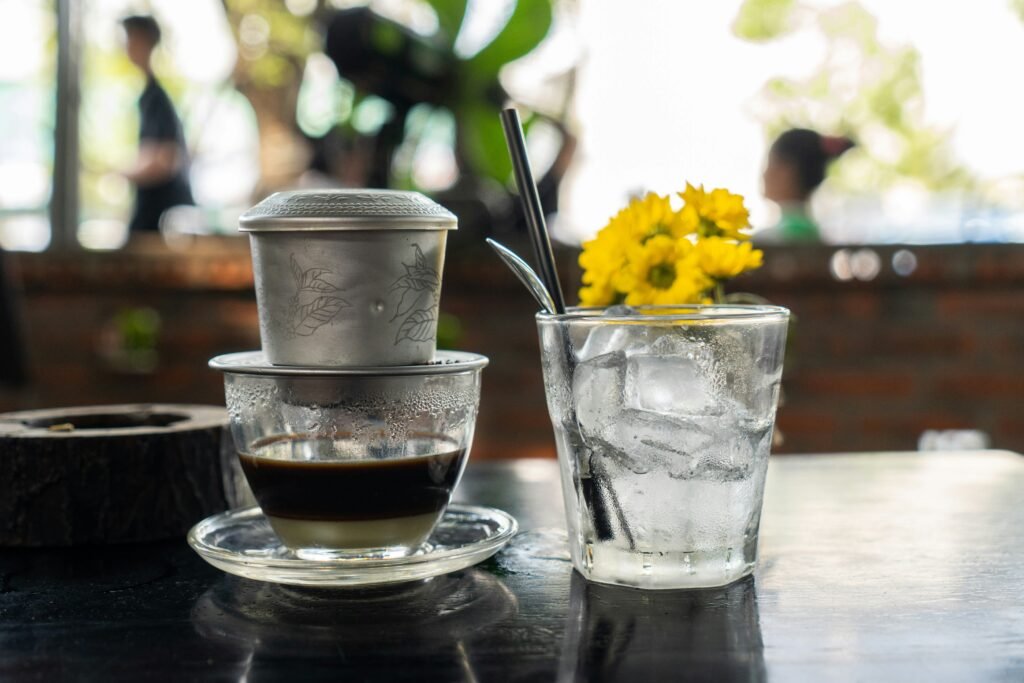
Brewed solely with Robusta, it is:
- strong
- bitter
- intense
- deeply aromatic
This drink has nearly double the caffeine of a standard espresso shot, making it one of the strongest coffees in the world. Its strength is not for the faint-hearted, but it is beloved by locals for exactly that reason.Many travellers are surprised to learn that it contains nearly twice the caffeine of a standard espresso. This is the coffee locals choose when they want clarity and strength, without sweetness or distraction.
Bạc Xỉu (Vietnamese White Coffee)
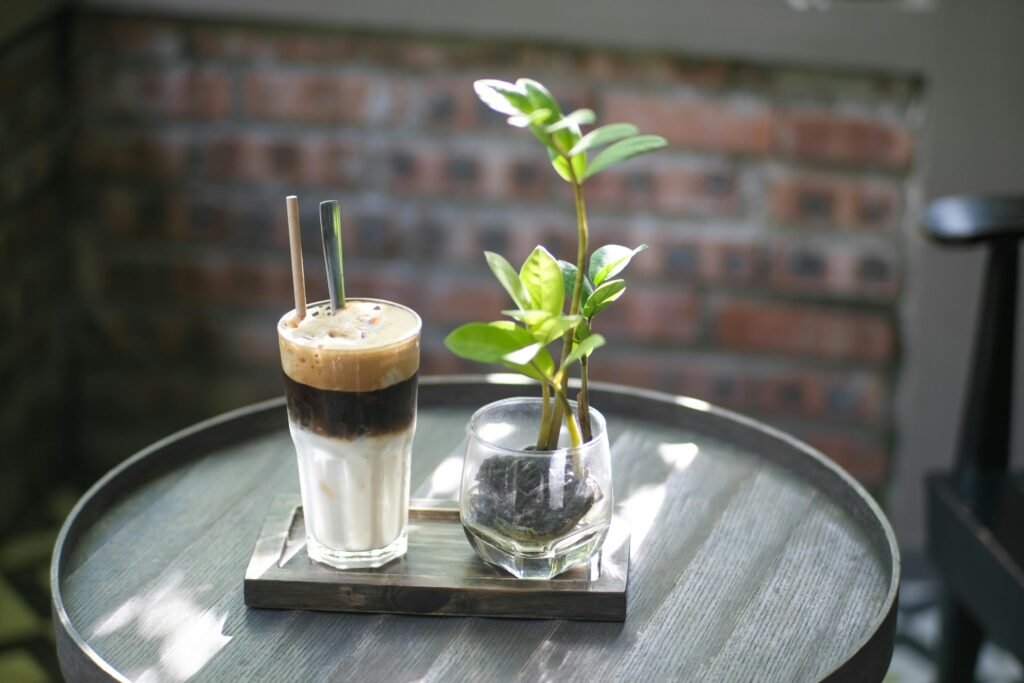
This traditional Bac Xiu encapsulates the essence of Vietnamese coffee culture and is one of the few variations of Vietnamese Iced Coffee. Originating in the late 19th century in the city’s Chinese-Vietnamese communities, it was created for people who enjoyed the taste of milk more than the bitterness of coffee. Traditionally, it contains:
- a generous amount of warm or iced milk
- a small shot of robust phin coffee
- a beautiful two-layer contrast of white and deep brown
It is sweeter, creamier, and lighter than a latte, yet paradoxically stronger, because the Robusta shot cuts through the milk with amazing clarity. Bạc xỉu represents Saigon’s identity perfectly: vibrant, youthful, sweet, and bold.
Cà Phê Muối (Salted Foam Coffee)
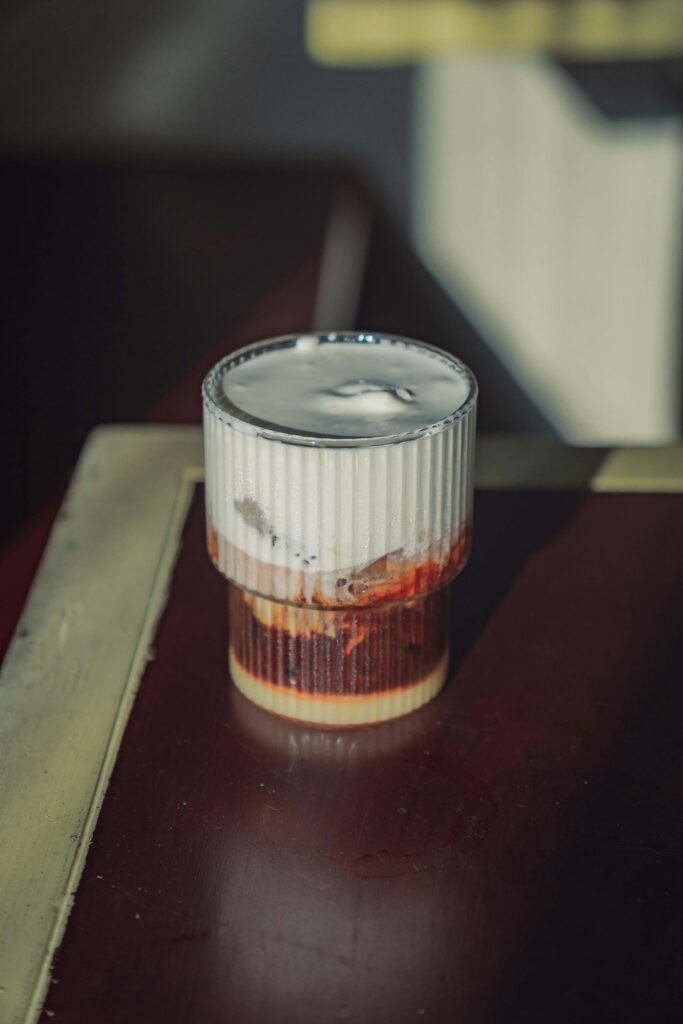
Originating in Hue, Cà phê muối (salted coffee) is one of the most quietly surprising expressions of Vietnamese coffee creativity. Unlike sweet-forward variations, this drink plays with the contrast of bitterness, creaminess, and a subtle savoury edge.
At first glance, it appears simple: strong phin-brewed black coffee topped with a thick layer of lightly salted cream foam. But the experience is far more nuanced.
The foam is not salty in an obvious way. Instead, the salt sharpens the coffee’s natural bitterness while enhancing its natural chocolate and nutty notes. The result is a smoother, rounder mouthfeel with a lingering aftertaste that feels deeper and more balanced than sweetened versions.
Cà Phê Trứng (Egg Coffee)
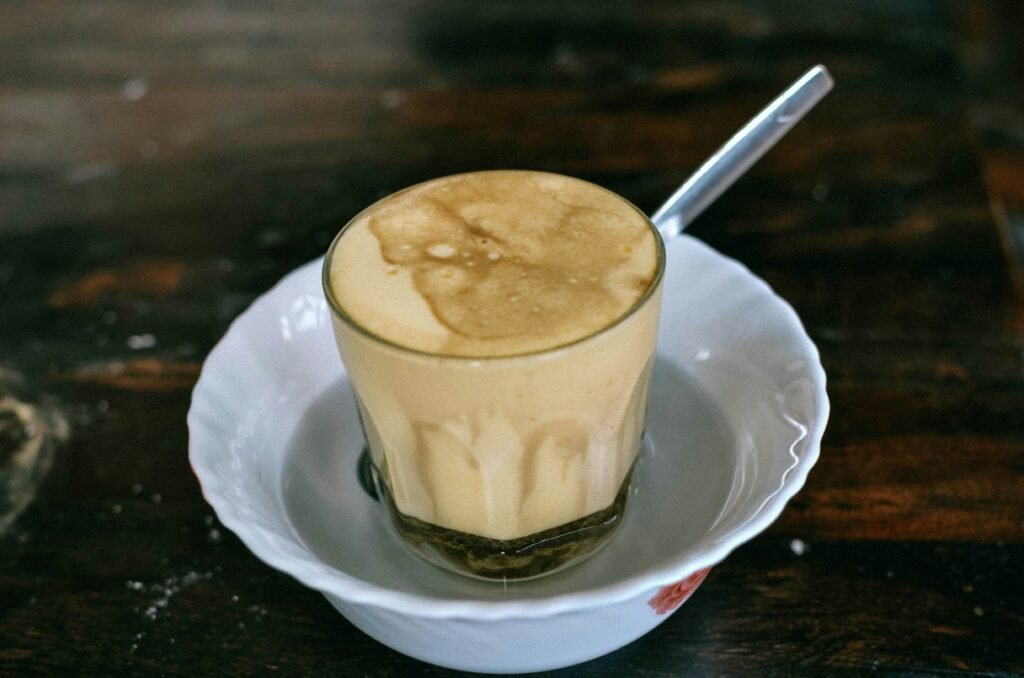
Created in the 1940s by a bartender at Hanoi’s Metropole Hotel during milk shortages, egg coffee became an elegant solution born from scarcity.
Whipped egg yolk, sugar, and coffee form a velvety foam that sits atop strong black coffee. The taste resembles tiramisu or custard cream — rich, warm, and surprisingly light on the palate. The bitterness of the coffee anchors the sweetness, preventing it from feeling heavy.
Egg coffee is best enjoyed slowly, often in small cafés where it’s served warm in a bowl of hot water to maintain temperature. It’s both indulgent and deeply nostalgic.
Cà Phê Cốt Dừa (Coconut Coffee)
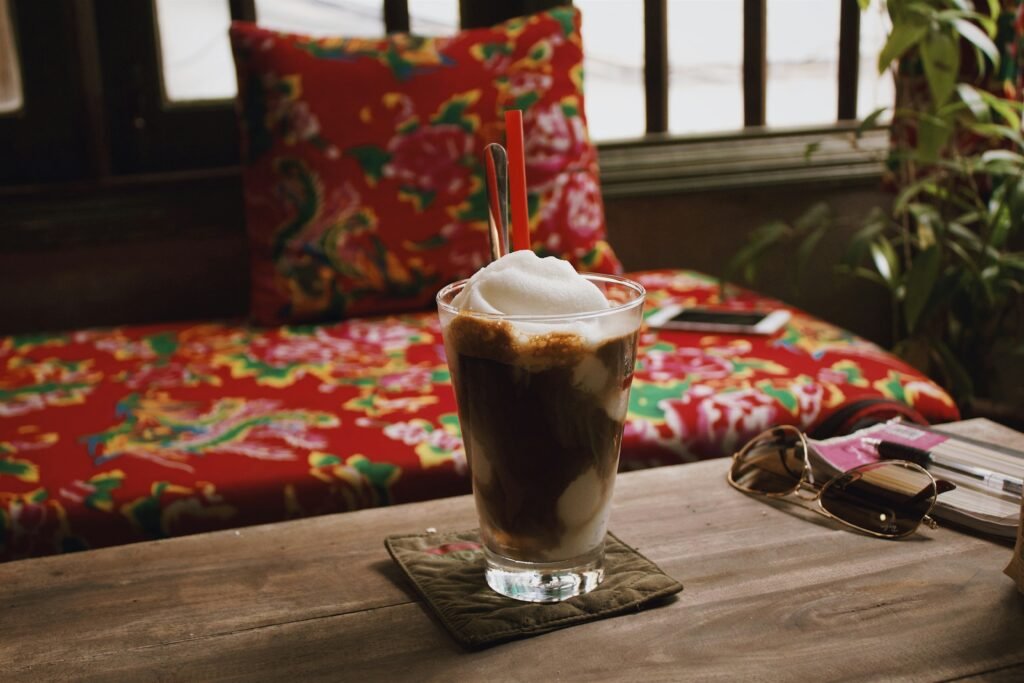
Coconut coffee is a modern favourite, blending strong Robusta with coconut cream, condensed milk, and ice. The coconut adds a naturally sweet, tropical aroma without overpowering the coffee.
The texture is thick and smooth, almost like a dessert, yet the bitterness of the coffee keeps it balanced. It’s refreshing in hot weather and particularly popular in coastal cities and among younger coffee enthusiasts.
This drink represents how Vietnamese coffee culture continues to evolve: being creative, playful, but still rooted in strong coffee foundations.
Coffee as Community: Sidewalk Stools & Street Cafés
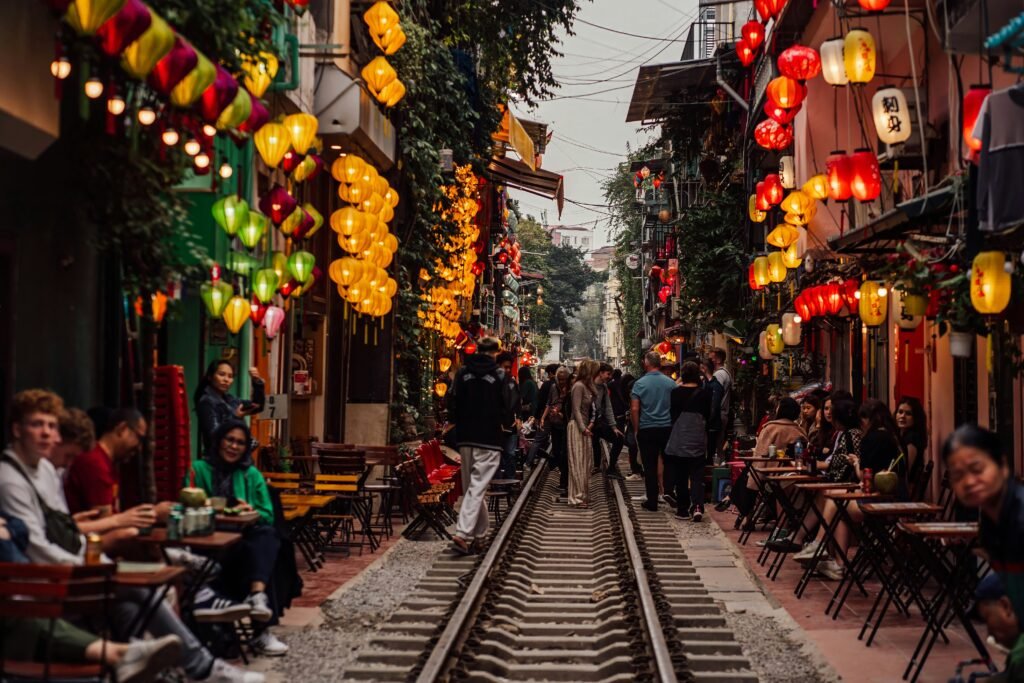
Vietnamese coffee culture lives as much on the streets as in cafés. Small plastic stools allow people to form instant communities anywhere. Likewise, enjoying a drink under banyan trees, by lakes, outside office buildings, or around every corner of the city.
These informal cafés function as:
- Social networks
- Observation spots
- Makeshift offices
- Meditation spaces for the everyday person
This everyday simplicity is part of what travellers find most charming in Vietnam.
These small setups become places to work, think, talk, or simply sit. Their simplicity is exactly what many travellers find most memorable.
Coffee & Travel: Where to Experience the Best in Vietnam

For all coffee enthusiasts and travellers wanting a curated experience:
- Hanoi – egg coffee, sidewalk seats and stools
- Saigon – concept/specialty cafés
- Hoi An – quiet morning cafés near the scenic river
- Hue – traditional brews
- Da Lat – coffee farms & Arabica plantations
Robusta Strength vs Espresso — What Travellers Should Know
Travellers often ask: “Why is Vietnamese coffee so strong?”
The answer lies in the bean itself.
Vietnamese Robusta vs Espresso (Arabica)
Vietnamese coffee is not stronger because of how it’s brewed. It’s stronger because of what it’s made from.
Robusta hits harder, lasts longer, and carries a completely different flavour profile. For many travellers, it becomes a defining part of their Vietnam experience.
Closing Thought
Vietnamese coffee culture is a reminder that not everything needs to be rushed. It encourages travellers to slow down, sit still, taste deeply, and witness the poetry of everyday life.
A cup of coffee in Vietnam is not just caffeine; it is culture, connection, history, and a simple yet powerful message of realization to be in the present.