Understanding the Vietnam visa process in advance helps travellers avoid delays, entry issues, and unnecessary stress when arriving in the country.
Vietnam Visa
Planning a trip to Vietnam? One of the first things travellers from Western countries need to check is the visa requirement. Vietnam has simplified its visa policy in recent years, making it much easier for visitors from the UK, Europe, the United States, Australia, Canada, and other Western nations to enter the country for tourism or business purposes.
This guide explains who needs a visa, available visa types, how to apply, and what to prepare before arrival.
Do You Need a Visa to Visit Vietnam?
Visa requirements for Vietnam depend on your nationality, length of stay, and purpose of travel.
Many Western passport holders can enter Vietnam visa-free for a limited time, while others must apply for an e-Visa in advance.
Visa-Free Entry (Selected Nationalities)
Citizens of certain countries can enter Vietnam without a visa for short stays:
- United Kingdom – up to 45 days
- France, Germany, Italy, Spain – up to 45 days
- Denmark, Sweden, Norway, Finland – up to 45 days
- Japan & South Korea – up to 45 days
Check our travel guide for the full visa exemption list here
✔ Passport must be valid for at least 6 months
✔ Proof of onward or return travel may be required
Vietnam e-Visa (Most Popular Option)
For travellers who are not visa-exempt or plan to stay longer, the Vietnam e-Visa is the most convenient option.
Key Features of Vietnam e-Visa:
- Available to 80+ nationalities.
- Valid for up to 90 days
- Single-entry or multiple-entry
- Applied online before travel
- Accepted at major international airports, land borders, and seaports
Vietnam e-Visa Requirements:
- Valid passport (minimum 6 months validity)
- Passport-size photo (digital)
- Scanned passport information page
- Online payment
Processing time: 3–5 working days
Visa on Arrival (VOA) – Is It Still Available?
Vietnam’s Visa on Arrival is now limited and usually only available through pre-arranged approval letters via travel agencies, mainly for business travellers or special cases.
Note: For most tourists, the e-Visa is strongly recommended instead of VOA.
Types of Vietnam Visas for Travellers
Tourist Visa (DL)
- Short-term travel and sightseeing
- Single or multiple entry
- Valid for up to 90 days
Business Visa (DN)
- Business meetings, conferences, or work-related travel
- Requires a sponsoring company in Vietnam
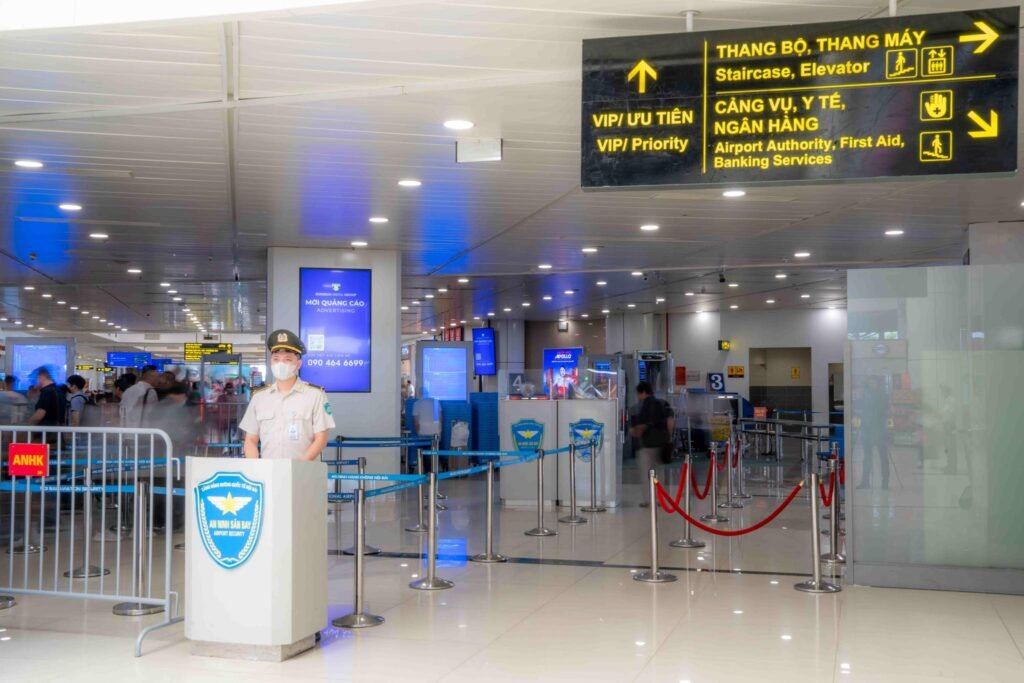
Entry Requirements at Immigration
When arriving in Vietnam, travellers should have:
- Passport with at least 6 months’ validity
- Printed copy of e-Visa (recommended)
- Proof of onward or return flight
Accommodation details (hotel booking)
Immigration procedures are usually straightforward, especially at major airports such as Hanoi, Ho Chi Minh City, and Da Nang.
Common Visa Mistakes to Avoid
- Applying too late (apply at least 1 week before travel)
- Entering through a port not listed on your e-Visa
- Passport validity under 6 months
- Overstaying your visa (fines apply)
More information aboutthe Vietnam E-visa can be found here
At Mekong Mosaic, we take care of the details. When you book a tour with us, our team can assist with visa arrangements if needed, ensuring a seamless travel experience.
Check out our tours and destinations, and let us help you plan your perfect tour to the Mekong countries.
Vietnam Currency and Payment Tips
Understanding the local currency is an essential part of planning your trip to Vietnam. For travellers, Vietnam’s money system can feel unfamiliar at first – especially with the large numbers on banknotes (smallest is 1,000 VND). However, once you know the basics, handling money in Vietnam is actually simple and convenient.
This guide explains everything you need to know about Vietnamese currency, including banknotes, exchange tips, and accepted payment methods, so you can travel with confidence.
What Is the Currency in Vietnam?
The official currency of Vietnam is the Vietnamese Dong (VND). Foreign currencies such as USD, GBP, or EUR are not commonly accepted for daily purchases, so travellers should plan to use VND for most transactions.
Vietnam has a relatively low currency value compared to Western currencies, which means prices often appear high due to the number of zeros. This is completely normal and does not reflect higher costs.
Quick Currency Conversion (Approximate)
- 25,000 VND ≈ 1 USD
- 35,000 VND ≈ 1 GBP
- 30,000 VND ≈ 1 EUR
(Exchange rates fluctuate, but this helps with quick mental calculations.)
Vietnamese Banknotes Explained
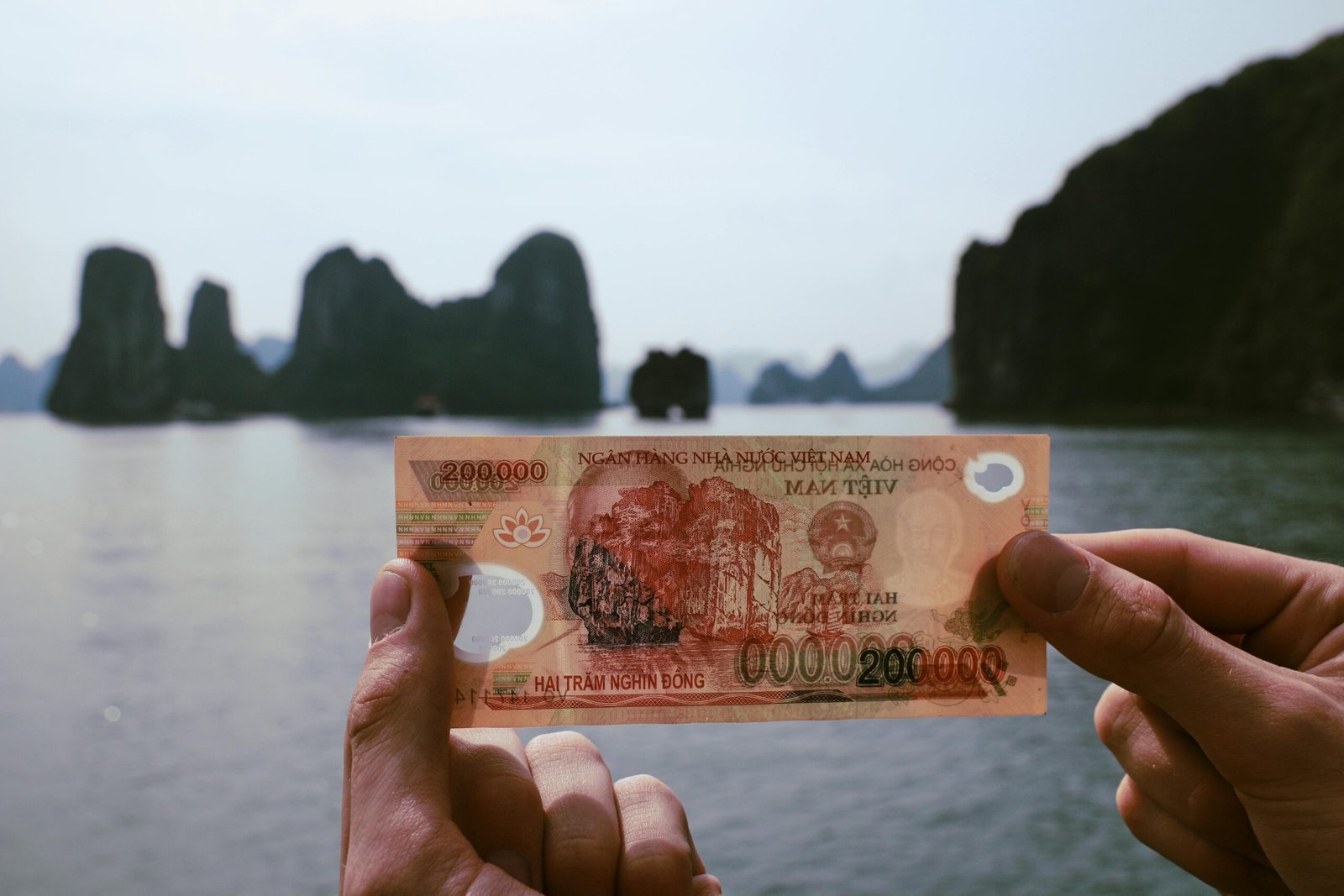
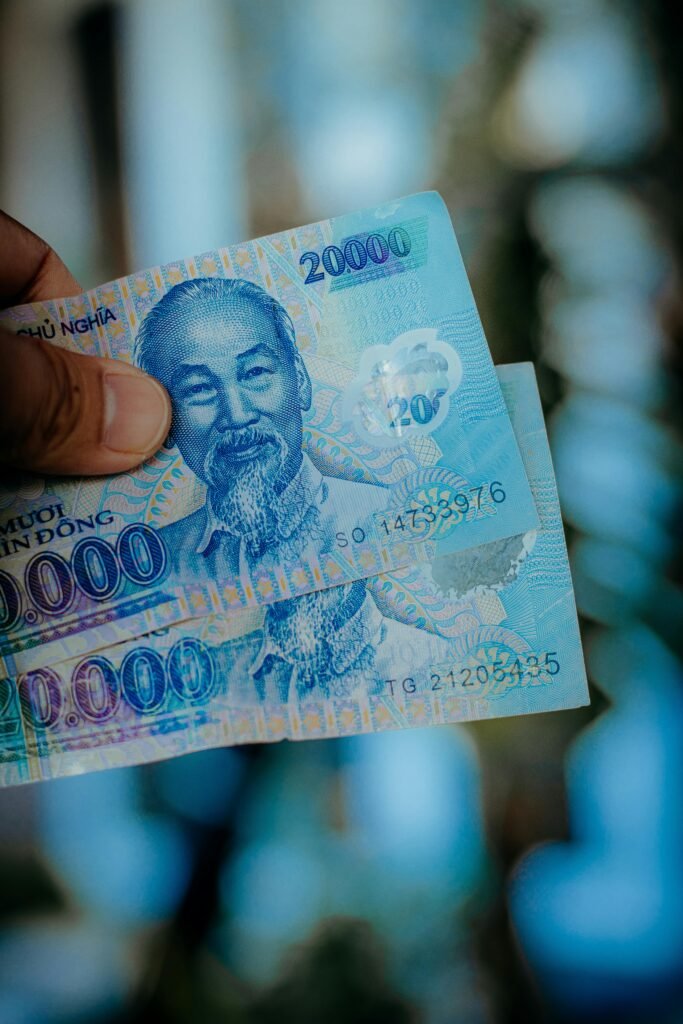
Vietnam uses banknotes only since coins are no longer in circulation. All notes are made from polymer, making them more durable and water-resistant, which is ideal for Vietnam’s humid climate.
Accepted Payment Methods in Vietnam (Cash or Card)
Payment methods in Vietnam vary depending on location and activities. While cities are becoming more cashless, cash is still essential for everyday spending.
Cash (Vietnamese Dong)
- Widely accepted everywhere
- Required for street food, markets, small shops, taxis, and rural areas
- Small denominations are especially useful
Credit & Debit Cards
- Accepted at hotels, shopping malls, upscale restaurants, and larger stores
- Visa and Mastercard are the most commonly accepted
- Some businesses may charge a 2–4% card processing fee
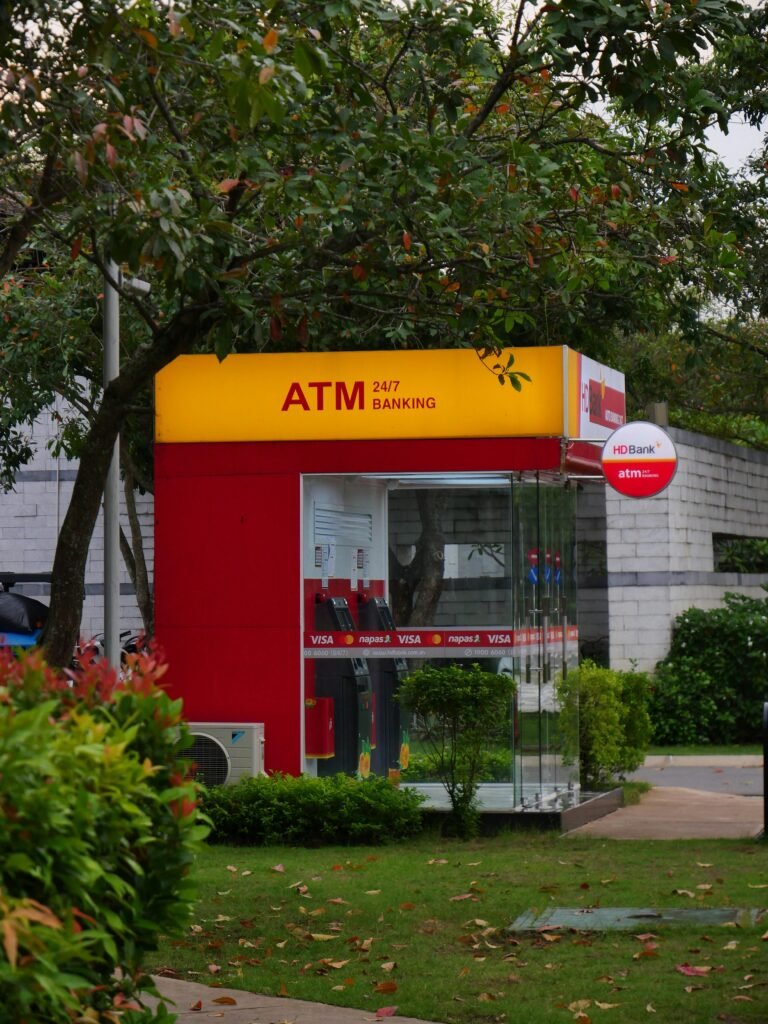
ATMs in Vietnam
- Easily available in major cities and tourist areas
- Daily withdrawal limits apply
- Inform your bank before travelling to avoid card restrictions
Mobile Payments
- Apple Pay or Samsung Pay are accepted
- Popular with locals (MoMo, VNPay, ZaloPay)
- Usually not available to short-term foreign travellers
Money Tips for Travellers to Vietnam
- Exchange money at banks, hotels, or licensed exchange counters
- Avoid street money changers
- Carry both cash and a bank card for flexibility
- Keep small notes for daily expenses
- Store larger amounts securely in your hotel safe