
Geographically, Vietnam stretches along the South China Sea and the Gulf of Thailand, with over 3,000 kilometres of coastline shaping the country’s landscape. The nature of the long coastal geography gives rise to a various array of beaches, bays, and islands, making Vietnam a naturally compelling destination for nature-lover.
Vietnam’s islands reflect clear regional contrasts. Northern islands are defined by limestone karsts and bays, while Central islands by wind-shaped coastlines and volcanic geology. Southern islands are warmer and more tropical, offering many beaches and easy island-hopping. Each island carries a distinct rhythm of life and travel experience. This guide presents some of the top islands and beaches in Vietnam, highlighting the locally known islands for all types of travellers seeking a private retreat.
Choosing the right destination
Selecting the right place depends on an individual’s travel style and expectations. Travellers who seek convenience and a balanced tropical holiday will prefer islands with direct flights and strong infrastructure, such as Phu Quoc. Nature-focused travellers may gravitate towards Northern islands, like Cat Ba, filled with outdoor activities and natural landscapes. Whereas those looking for a peaceful and well-preserved ecosystem often find Con Dao worthwhile. Islands like Co To appeal to travellers interested in an “off-the-grid” holiday, with a low visit density.
Top 7 Islands & Beaches in Vietnam
1. Phu Quoc Island

Phu Quoc is Vietnam’s largest island and the country’s most versatile beach destination. Located in the Gulf of Thailand, this tropical paradise is well known for its white sands, clear waters, and cultural sites—with a wide range of activities that suit both relaxed beach stays and more active-style itineraries. While often associated with resorts, daily life on the island continues to centre around fishing villages, pepper farms, and local markets.
Phu Quoc is best known for its fish sauce, pepper, and pearl cultivation, all of which remain closely tied to the island’s identity. Visitors can explore traditional fish sauce producers, pepper farms, and local markets to gain insight into practices passed down through generations. Beyond the main island, boat trips to the southern An Thoi archipelago offer some of the island’s best area for snorkelling, while inland areas within Phu Quoc National Park provide forest walks and waterfalls that contrast with beach-focused travel.
You can reach Phu Quoc by direct domestic and international flights via Phu Quoc International Airport. Renting a scooter or arranging a private driver is the most efficient way to explore different beaches and areas of the island.
Best time to visit: Phu Quoc enjoys a warm, tropical climate year-round, with average temperatures of around 27°C. The best time to visit is generally from November to April, when conditions are drier, and the sea is calmer.
The coolest period typically falls between October and March, while April and May are the hottest months. From July to October, the wet season is in full effect, with occasional heavy rainfall.
[explore our Tour]
2. Con Dao Island
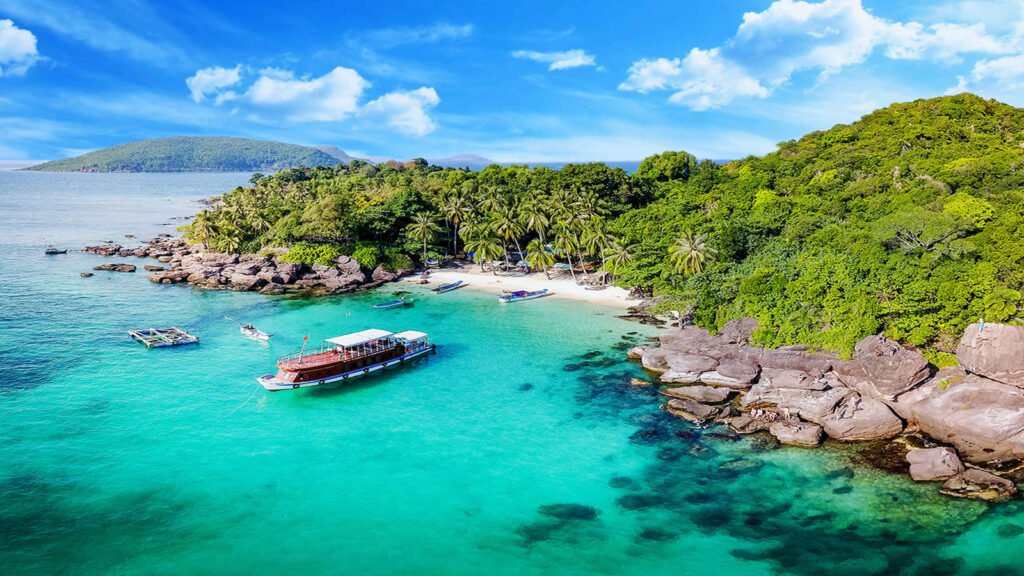
Con Dao is another noteworthy island destination for many travellers to consider putting on their bucket lists. Its remote location has preserved both its ecosystems and its solemn historical sites. Located off the southern coast, the Con Dao archipelago consists of 16 islands. Despite being far less developed than other beach destinations in Vietnam, its remote position has provided benefits that helped preserve the scenery with clear waters, serene beaches, and extensive forest cover, making it a destination ideal for by nature-goers.
Much of the main island is covered by Con Dao National Park, where tropical forests extend down to secluded bays and rocky headlands. Travellers typically spend their time beach-hunting along the coast, snorkelling or diving around nearby islets, and exploring forested areas that offer a sense of isolation rarely found elsewhere. During certain months, marine conservation activities such as sea turtle nesting add another dimension to the island’s natural appeal.
Con Dao also carries historical weight. Former prison sites and memorial grounds reflect an important chapter of Vietnam’s past, contributing to an atmosphere that many travellers describe as reflective and informative. Despite this history, daily life today is quiet and grounded, centred around fishing and small communities. Here, you’ll get to try various seafood specialties, such as red lobsters, snails, moon crabs, or red groupers, all in which the islands gets to offer.
Con Dao can be reached by domestic flights to Con Son Airport, primarily from Ho Chi Minh City, with ferry services operating seasonally when sea conditions allow. The island is compact, and scooters or bicycles are commonly used to explore coastal roads and nearby beaches.
Best time to visit: March to September, when sea conditions are more relaxed and visibility for outdoor activities, like snorkelling and diving, is at its best.
3. Nam Du Island
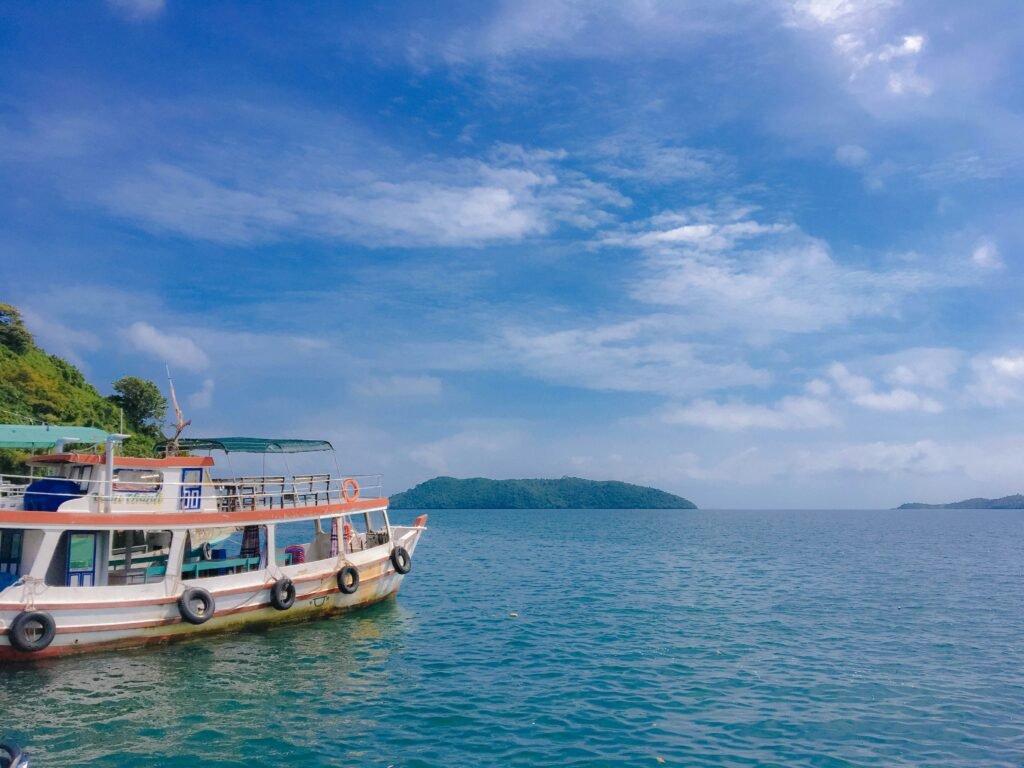
Nam Du is a small archipelago in Kien Giang Province, located southeast of Phu Quoc and far enough from the mainland to remain largely unspoiled. Unlike Vietnam’s more developed island destinations, Nam Du is defined by its raw coastal scenery, clear water, and fishing-led way of life. Limited infrastructure and low visitor numbers have helped preserve its natural character, making it well-suited for travellers seeking simplicity and direct contact with the sea.
The Nam Du archipelago consists of multiple inhabited and uninhabited islands clustered closely together, with Hon Lon serving as the main island. Travellers typically explore the area through short boat trips to nearby islands (island-hop), such as Hon Mau, Hon Ngang, and Hon Dau, where swimming and snorkelling are best enjoyed next to shore. Viewpoints near the Nam Du Lighthouse offer panoramic views over the archipelago, while quieter beaches such as Bai Cay Men and Bai Chet provide space to wind down.
Seafood is abundant and exceptionally fresh, often prepared simply, with grilled fish, squid, and shellfish caught and cooked on the same day. Accommodation on the islands is modest, with small houses and homestays rather than large resorts, reinforcing Nam Du’s low-key atmosphere.
Nam Du is reached by travelling to Rach Gia, followed by a speedboat journey to the islands. Scooters are commonly used on the main island, while small boats are required to explore the surrounding islets.
Best time to visit: December to April
4. Cat Ba Island, Hai Phong
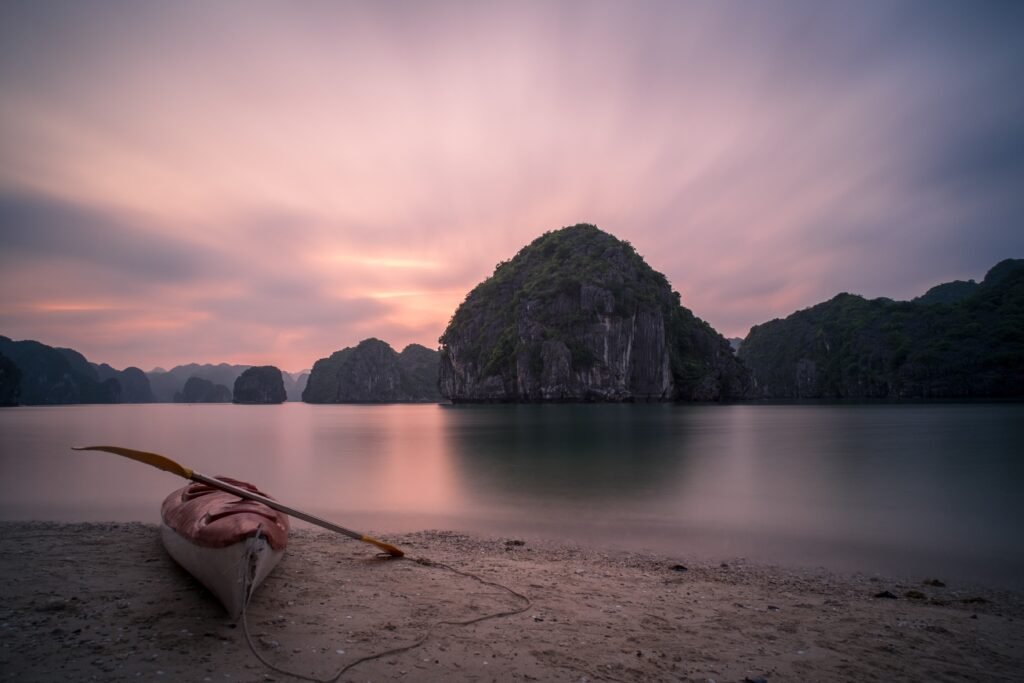
Cat Ba is the largest island of Hai Phong province, positioned on the southern edge of Ha Long Bay. Unlike southern tropical islands, Cat Ba is defined by dramatic limestone karsts, forested hills, and sheltered bays rather than long stretches of white sand. The archipelago forms part of a UNESCO Biosphere Reserve, recognized for its exceptional biodiversity and diverse ecosystems spanning from marine, forest, and coastal environments.
Much of Cat Ba Island is protected within Cat Ba National Park, where limestone mountains rise directly from the sea, and dense forests extend inland. Travellers typically explore the area through a combination of kayaking in nearby Lan Ha Bay, boat trips between small islets, or short treks through forest trails. Despite its largely rocky terrain, there are still several accessible beaches—such as Cat Co 1, 2, and 3 that provide favourable swimming areas close to Cat Ba Town.
Cat Ba offers a balance between nature and accessibility. Its proximity to the mainland makes it one of northern Vietnam’s easiest islands to reach. Accommodation ranges from simple guesthouses to small hotels, supporting a steady but not overwhelming level of tourism.
Cat Ba is reached via Hai Phong using a combination of road, ferry, or cable car, depending on the route. Once on the island, scooters, bicycles, and boats are commonly used to explore different areas.
Best time to visit: April to October, when conditions are suitable for kayaking, swimming, and outdoor activities.
5. Cu Lao Cham Island
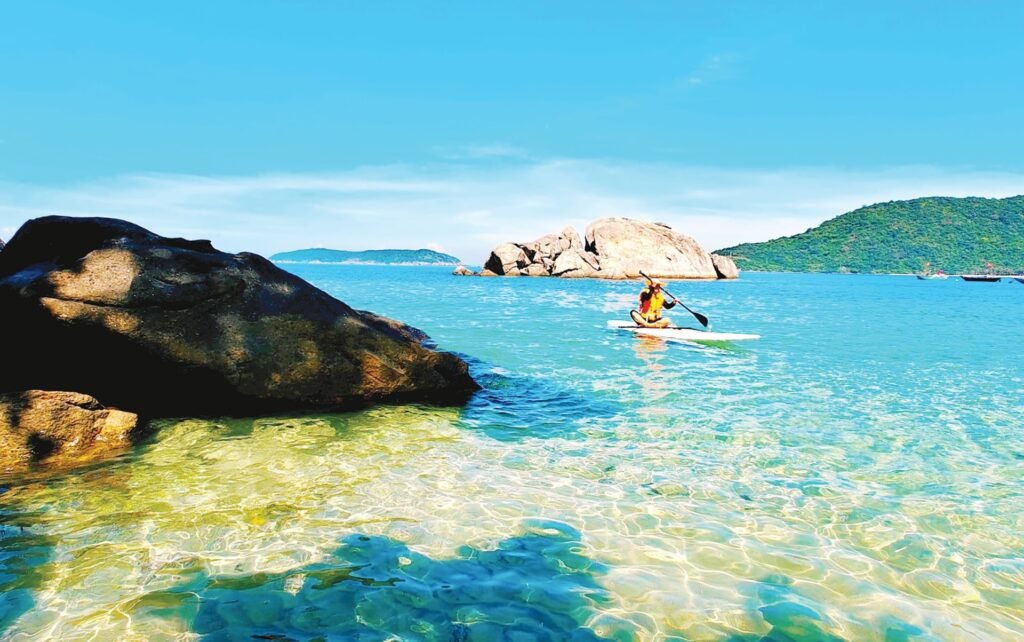
Located off the coast of Quang Nam, Cu Lao Cham is ideal for travellers staying in Hoi An who are seeking a short escape. It consists of one main island, surrounded by islets. Recognized as part of the Cu Lao Cham–Hoi An UNESCO Biosphere Reserve, the area is known for its marine biodiversity, clear waters, and strong focus on conservation. It is known for its strict environmental protection measures, including reduced plastic use.
Travellers typically spend time swimming and snorkelling, or exploring beaches such as Bai Chong and Bai Xep, and walking through fishing villages like Bai Lang or Bai Huong. Inland, visitors can also explore cultural and spiritual sites, including temples and pagodas that reflect the island’s long maritime history. Compared to larger islands, Cu Lao Cham offers a slower pace, with limited development and a clear emphasis on protecting its natural environment.
Daily life on the islands remains closely tied to fishing. Seafood is fresh and prepared simply, often caught and cooked on the same day. Accommodation options are minimal, mainly consisting of homestays and small guesthouses, reinforcing the islands’ community-based rather than resort-style tourism.
Cu Lao Cham is reached by boat from Cua Dai Port near Hoi An, with speedboats. Travel within the islands is primarily on foot or via short local transfers, as distances are small and infrastructure is limited.
Best time to visit: March to August
[explore our Hoi An Tour]
6. Ly Son Island
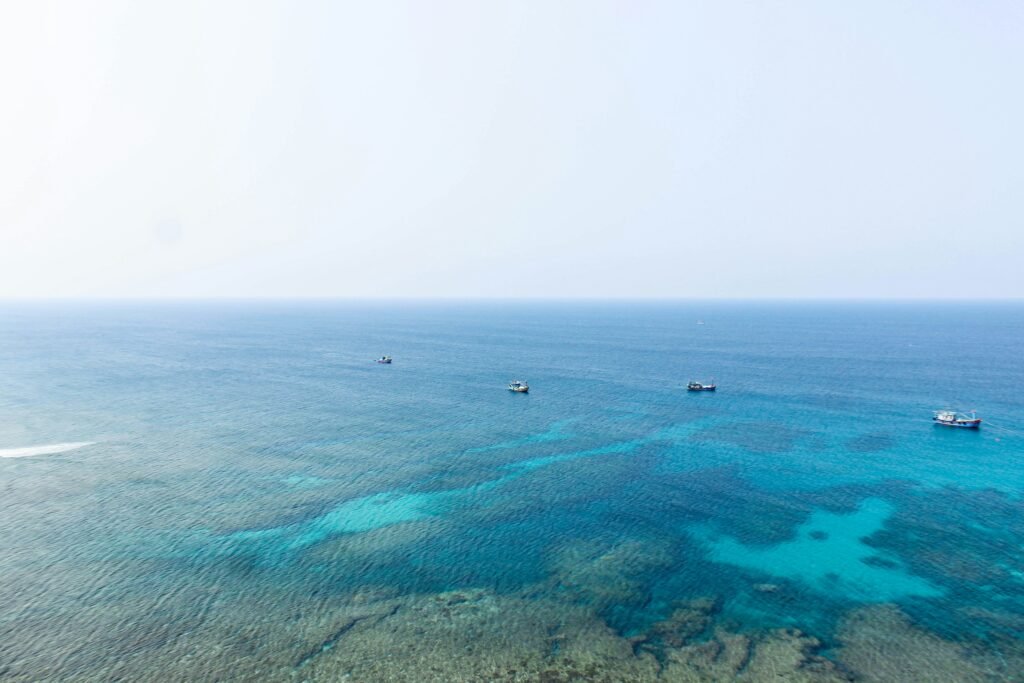
Located off the coast of Quang Ngai in central Vietnam, Ly Son Island is a distinctive island destination shaped by volcanic origins rather than tropical resort development. Formed by a series of extinct volcanoes, the island is characterized by dramatic basalt cliffs, layered lava rock formations, and clear turquoise waters set against stark, dark coastlines.
The island consists of big and small islands along with several islets. Travellers typically explore coastal viewpoints, volcanic craters such as Thoi Loi Mountain, and unique natural landmarks including Hang Cau and the To Vo rock arch. Snorkelling is popular around near-shore reefs, particularly around the smaller islands, where water clarity is among the best in central Vietnam. Beaches here are fewer and smaller than in the southern islands, but the contrast between white coral sand and black volcanic rock creates striking scenery.
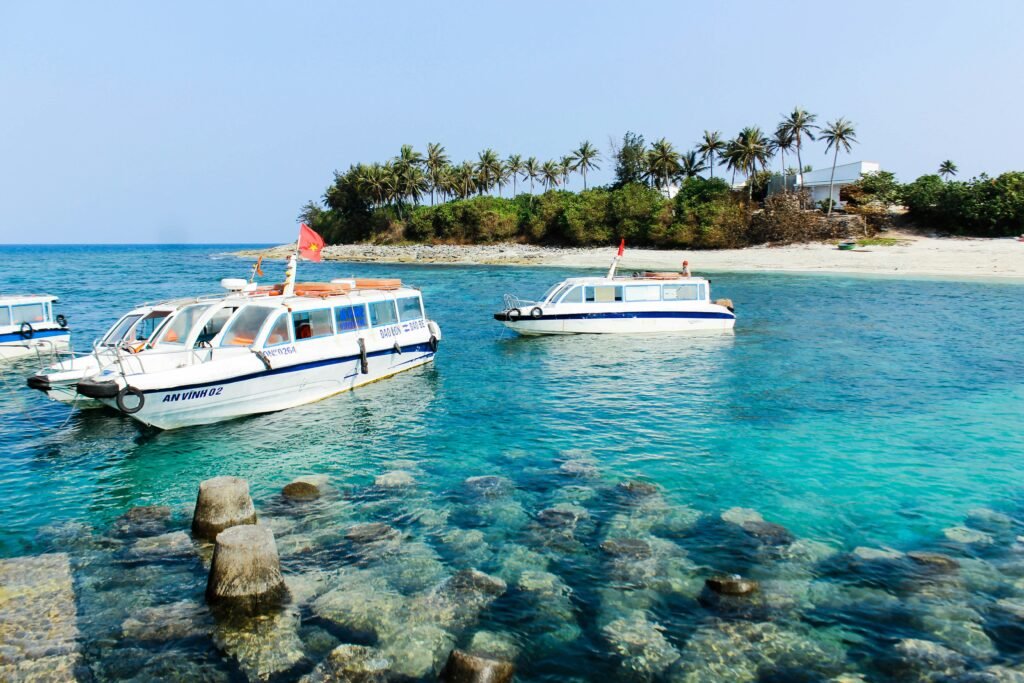
Daily life on Ly Son remains closely tied to fishing and agriculture. The island is nationally known for its garlic, grown in mineral-rich volcanic soil mixed with sea sand, and seafood is fresh, abundant, and simply prepared. Accommodation remains modest, with small hotels, guesthouses, and homestays rather than large resorts, reinforcing Lý Sơn’s working-island character rather than a polished beach-holiday atmosphere.
Ly Son is reached via speedboat from Sa Ky Port in Quang Ngai, followed by either road, rail, or air connections to the mainland. Once on the island, scooters are the primary means of transport, with short boat trips available to reach the island.
Best time to visit: March to September
7. Co To Island
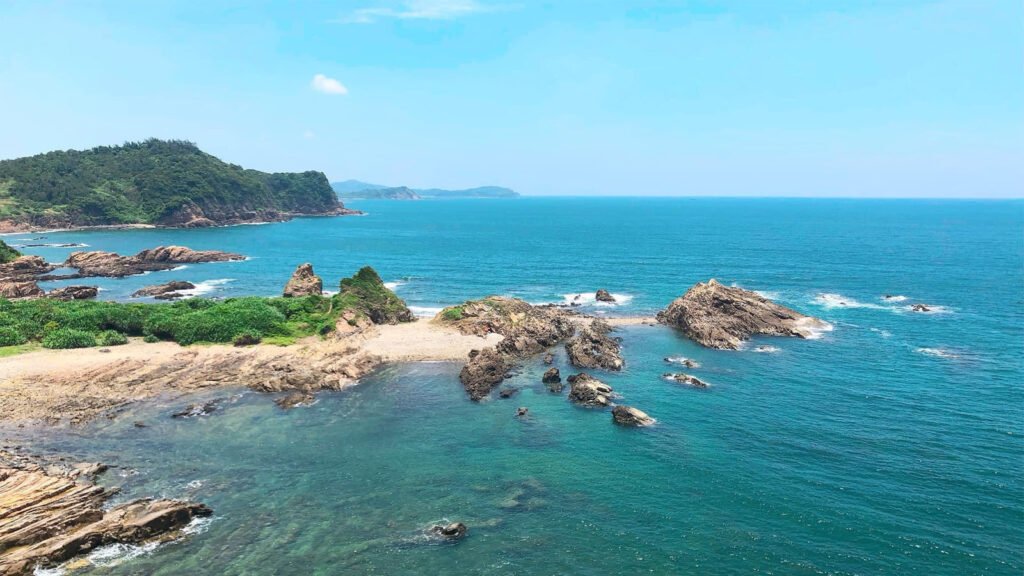
Located in Quang Ninh Province, off the coast of Van Don, Co To Island is a northeastern island known for its clean beaches, soothing atmosphere, and relatively low visitor density compared to other southern islands. The Co To archipelago consists of dozens of islands and islets, with Co To being the main Island for travellers.
The island is characterized by long stretches of pale sand, clear blue-green water, and forested interior landscapes. Here, you can choose to spend your time between beaches such as Hong Van and Van Chay, coastal rock formations like Mong Rong (Dragon’s Claw Reef), or viewpoints including the historic lighthouse overlooking the Gulf of Tonkin. Besides that, short boat trips to nearby islets, including Co To Con and Thanh Lan, provide opportunities to skim, snorkel, or enjoy a quiet time at the beach away from the main island.
Seafood is fresh and locally sourced, with dishes prepared simply to highlight natural flavours. Accommodation is primarily made up of guesthouses, small hotels, and homestays rather than large resorts. Environmental protection is increasingly emphasized, with growing awareness around waste reduction and coastal conservation.
Co To is reached by road from Hanoi or Ha Long, followed by a speedboat from Van Don. Scooters and electric carts are commonly used to reach beaches and viewpoints, while boats are required to visit the surrounding islets.
Best time to visit: April to October, when weather conditions are generally favourable, and seas are calm enough for island travel, with the most stable conditions typically between April and June and early autumn.
What To Do
Practical Tips for Island and Beach Travel in Vietnam
1. Book Boat and Transport Tickets in Advance
Many islands, such as Phu Quy, Nam Du, and Con Dao, operate with a limited number of ferry or speedboat departures per day, particularly during peak seasons and public holidays. It is highly recommended to book speedboat tickets, tours, or cable car services in advance to avoid schedule disruptions or last-minute cancellations.
2. Monitor Weather and Tides
Island activities such as snorkelling, coral diving, stand-up paddleboarding (SUP), and sea-crossing walks are highly dependent on weather and tidal conditions. Always monitor the weather forecasts and tide charts before planning excursions. Early mornings and late afternoons generally offer calmer seas and more comfortable temperatures.
3. Carry Sufficient Cash
Many smaller islands have limited banking infrastructure, with few or no ATMs and unstable mobile signal coverage. Travellers should prepare enough cash in small denominations to cover meals, entrance fees, boat transfers, motorbike rentals, and local services at ports and villages.
4. Pack Essential Items
Sun protection and basic personal gear are essential when travelling to islands. Items such as sunscreen, wide-brim hats, sunglasses, swimwear, sandals, and a waterproof or dry bag should be prepared in advance. Some remote islands do not have convenience stores or pharmacies, making prior preparation especially important.
5. Travel Responsibly
Responsible travel is essential when visiting Vietnam’s marine and island ecosystems. Avoid littering, do not touch or step on coral reefs, and follow local guidelines during water activities. Respectful communication with locals is equally important, as local knowledge often provides better insights and more “hidden gem” experiences not found in guidebooks.
6. Bring Basic Medication and Waterproof Protection
Travellers should carry basic medical supplies such as motion sickness tablets, pain relief, antiseptic ointment, bandages, and essential personal medication. Waterproof zip bags or phone cases are highly recommended to protect electronics from water, humidity, and unexpected weather conditions—especially in remote or undeveloped areas.