
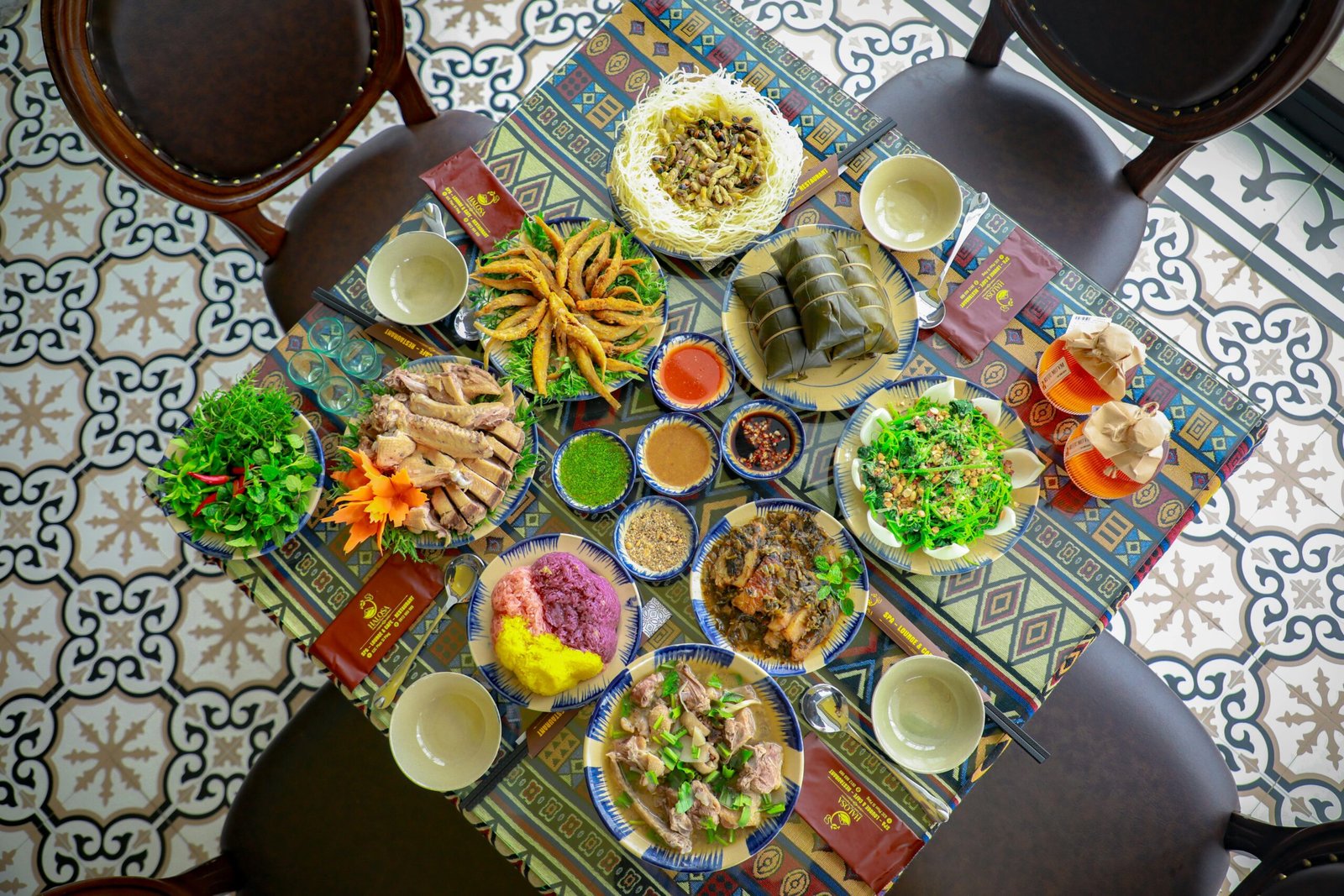
Exploring Vietnam’s Culinary Identity From North to South
How Geography, Climate, and Daily Life Shape Vietnamese Food
The best Vietnamese dishes are not a single flavour profile. It changes gradually as you move across the region. Travelling from the cooler region up north to the tropical south, flavours shift subtly but meaningfully, reflecting local ingredients, climate, and centuries of cultural influences.
This guide introduces the 13 most iconic must-try Vietnamese foods every traveller should try, while showcasing where in the country they are best experienced. If you’re planning your route, you may also want to explore our Vietnam Travel Guide or Contact Us to personalize your journey.
Understanding Vietnamese Cuisine by Region
Northern Vietnam: Subtle, Clean & Naturally Balanced
Northern Vietnamese food is often described as thanh, meaning clean, light, and balanced. It’s not bland. The point is restraint: seasoning is measured, sweetness is minimal, and dishes are designed to highlight the natural taste of bones, rice, freshwater seafood, and herbs. You’ll also see frequent use of fish sauce, seasonal greens, and, in specific dishes, fermented shrimp paste (mắm tôm).
Historically, Northern Vietnam experienced colder winters and limited agricultural abundance. Meals were designed to nourish the body without excess, and food culture emphasized regularity and balance rather than indulgence. Many dishes are eaten at specific times of day and change little over generations. Northern cuisine includes some of the best Vietnamese dishes for travellers seeking balance, clarity, and tradition.
Explore our Northern Vietnamese Food Guide: What & Where to Eat. Foods [Blog]
1. Phở Bò (Beef Pho Noodle Soup)
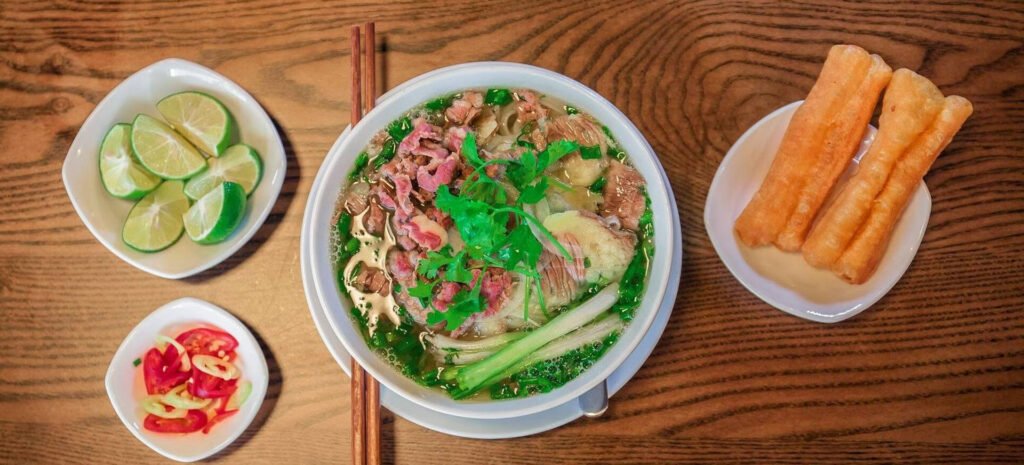
Vietnam’s most famous dish originates in the North and is best experienced in Hanoi. Northern pho is light, aromatic, and carefully balanced, featuring a clear broth with minimal seasoning. Northern pho broth is clear and aromatic, made by simmering beef bones for hours with ginger, onion, and spices. The flavour is savoury but not rich, and sweetness comes naturally from bones rather than added sugar. It is typically enjoyed with fresh herbs, poached eggs, or fried dough sticks (quẩy). Locals here rarely overload their bowls with herbs or sauces. Doing so is often seen as masking the broth rather than enhancing it.
In Nam Định (another northern phở stronghold), you’ll often find a slightly different noodle shape and broth style depending on the shop’s tradition. In contrast, southern pho is served with bean sprouts and a variety of sauces on the side. Nevertheless, each regions have its own twist to how it is served, but overall, the flavour remains the same.
Flavour notes: clean beef aroma, gentle spice warmth, savoury finish (not sugary).
What to look for: clear broth, thinly sliced beef, scallion, and a light hand with herbs.
2. Bún Chả Hanoi (Vietnamese Grilled Pork with Rice Vermicelli Noodles)
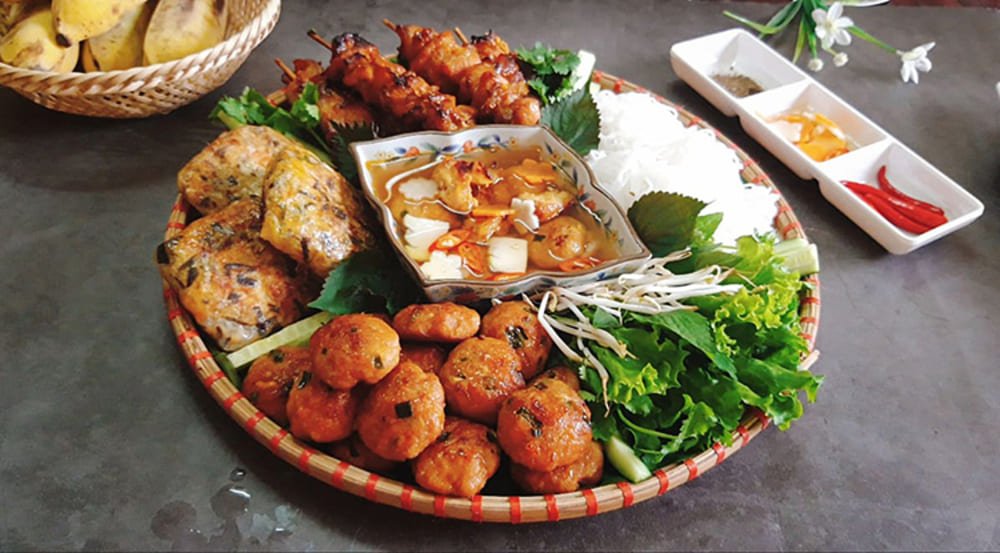
Bun cha is a lunchtime dish closely tied to Hanoi’s daily rhythm. Grilled pork patties and slices of pork belly are served separately with vermicelli, herbs, and a lightly sweetened fish sauce.
What defines bun cha is balance: smoky meat, cool herbs, soft noodles, and dipping sauce that is gently sour rather than sweet. It is filling without being heavy, making it ideal for a midday meal rather than dinner.
Flavour notes: smoky pork, mild sweet-sour sauce, herbal freshness.
Local tell: a basket of herbs and greens is non-negotiable.
3. Bánh Cuốn (Steam Rice Rolls)
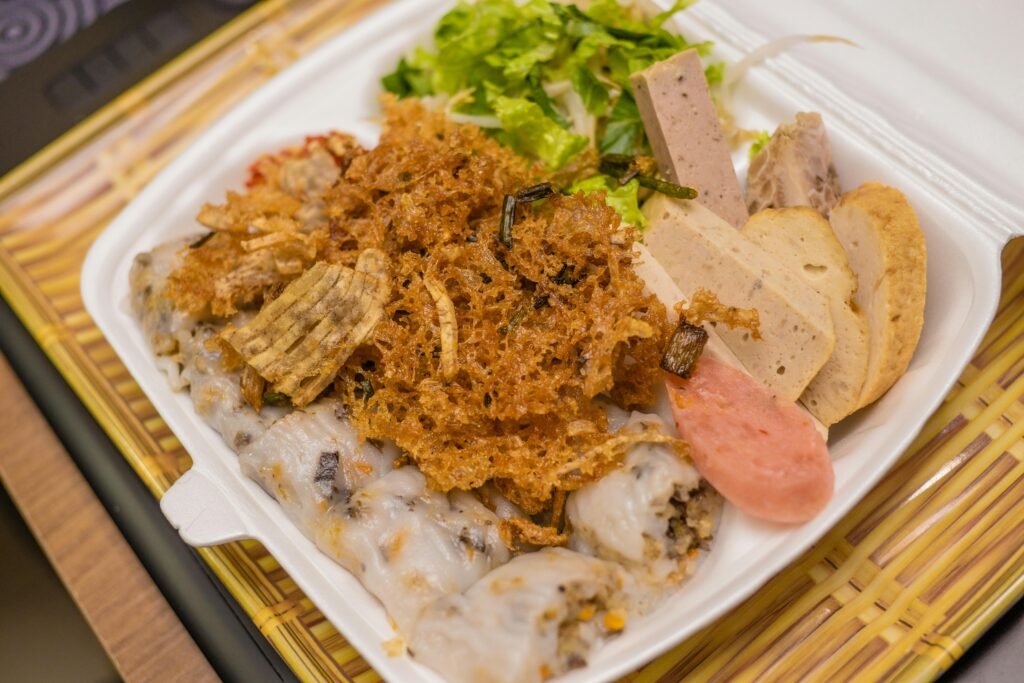
Steamed rice sheets rolled around minced pork and wood ear mushroom, finished with fried shallots and dipped in light, aromatic, sweet fish sauce. This is a breakfast classic that shows Northern precision: soft texture, clean flavours, and a sauce that lifts rather than dominates.
Flavour notes: delicate rice fragrance, savoury filling, light tangy sauce.
Local tip: add a squeeze of lime and a few slices of chilli if offered.
4. Bún Riêu Cua (Northern-style crab & tomato noodle soup)
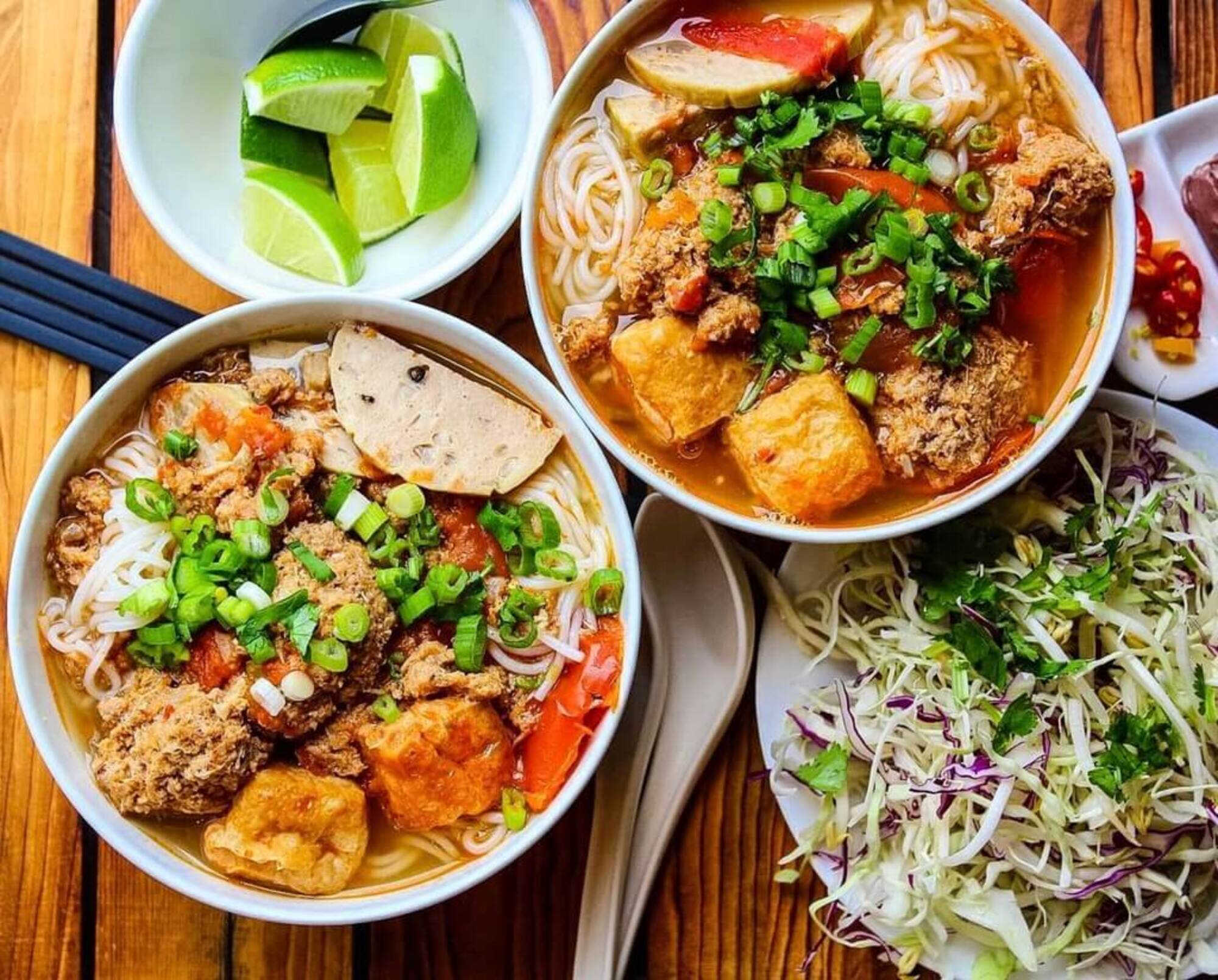
Bún riêu is one of Vietnam’s most satisfying soups when done properly: tomato brightness, crab or crab-pork “riêu” (soft crab and pork cake), and a broth that is tangy, savoury, and light enough to finish easily.
Flavour notes: sweet-tart tomato, crab umami, gentle sourness.
What to look for: crab “riêu” that tastes like crab, not just pork.
5. Bún Đậu Mắm Tôm (Rice Vermicelli with Fried Tofu and Fermented Shrimp Paste)
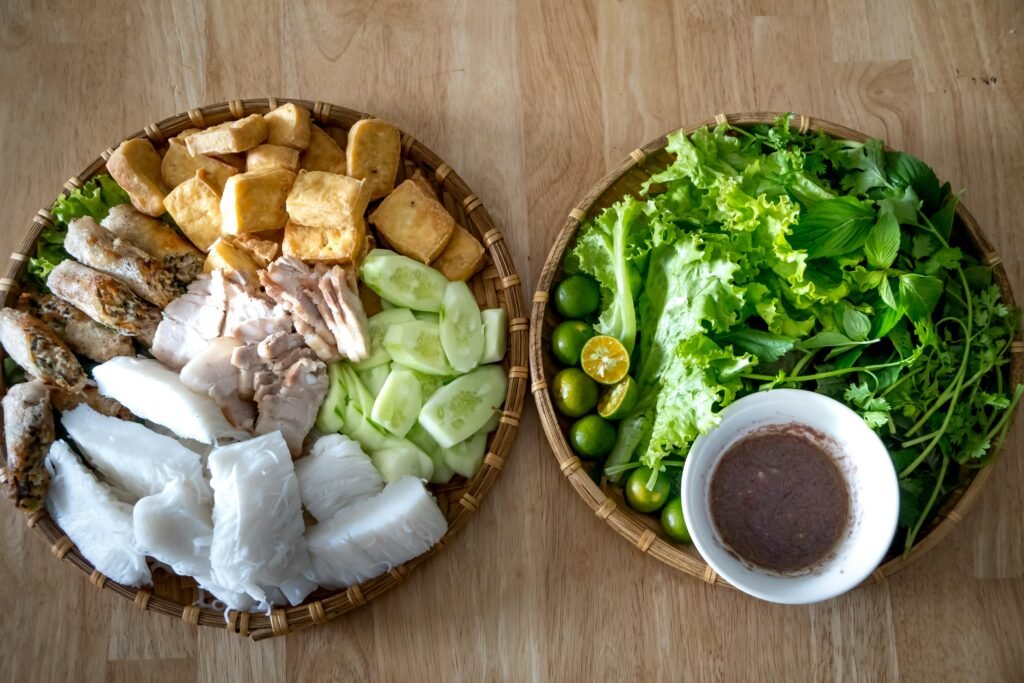
This is essential Northern street food and one of the best examples of shrimp paste (mắm tôm) used correctly. The plate usually includes fried tofu, vermicelli, herbs, and optional add-ons (pork, sausage, fried spring rolls, fish cake, green sticky rice patties, and sometimes fried intestines). The centrepiece is fermented shrimp paste mixed with lime and chilli until it becomes fragrant and sharp, creating an aromatic dipping sauce that is overwhelmed with flavours.
Flavour notes: rich tofu, herbal freshness, pungent-salty-sour dip.
How locals eat it: stir lime, chilli, and hot oils into the mắm tôm until it foams slightly, then dip.
6. Chả Cá Lã Vọng (Hanoi Grilled Turmeric Fish with Dill)
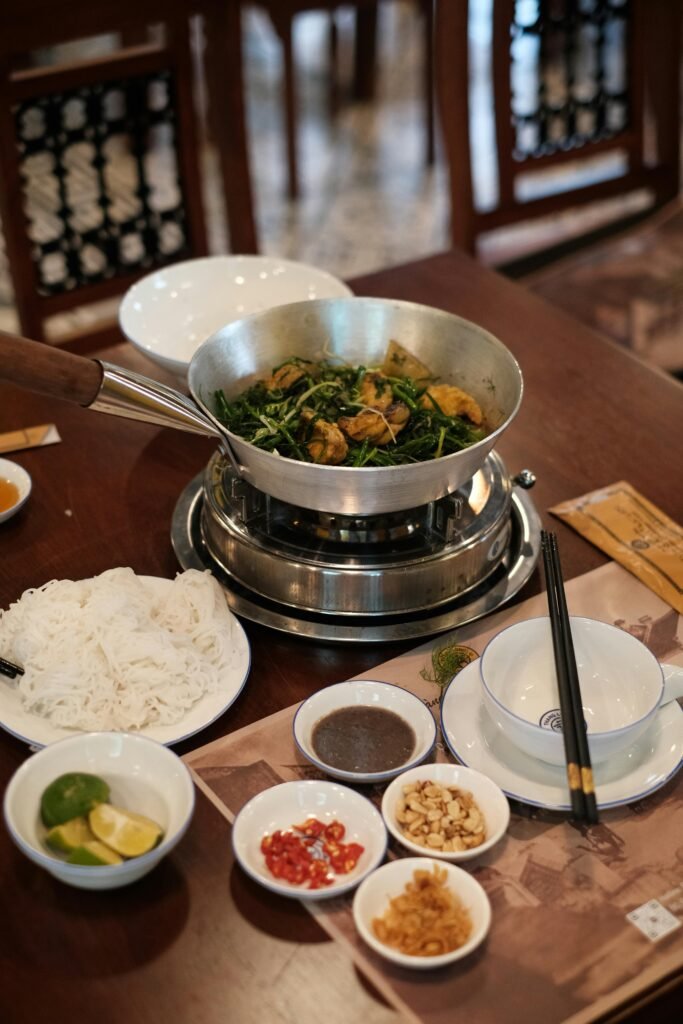
Chả cá is typically eaten as a sit-down meal rather than street food. Fish is marinated with turmeric, grilled, then cooked at the table with dill and scallions.
The heavy use of dill, uncommon elsewhere in Vietnam, gives the dish its identity. It reflects the northern tendency to build flavour through herbs rather than spices.
Flavour notes: turmeric aroma, dill sweetness, nutty finish.
Local tip: served in a sizzling pan in the middle of the table.
7. Bánh Đa Cua (Crab Noodle Soup)
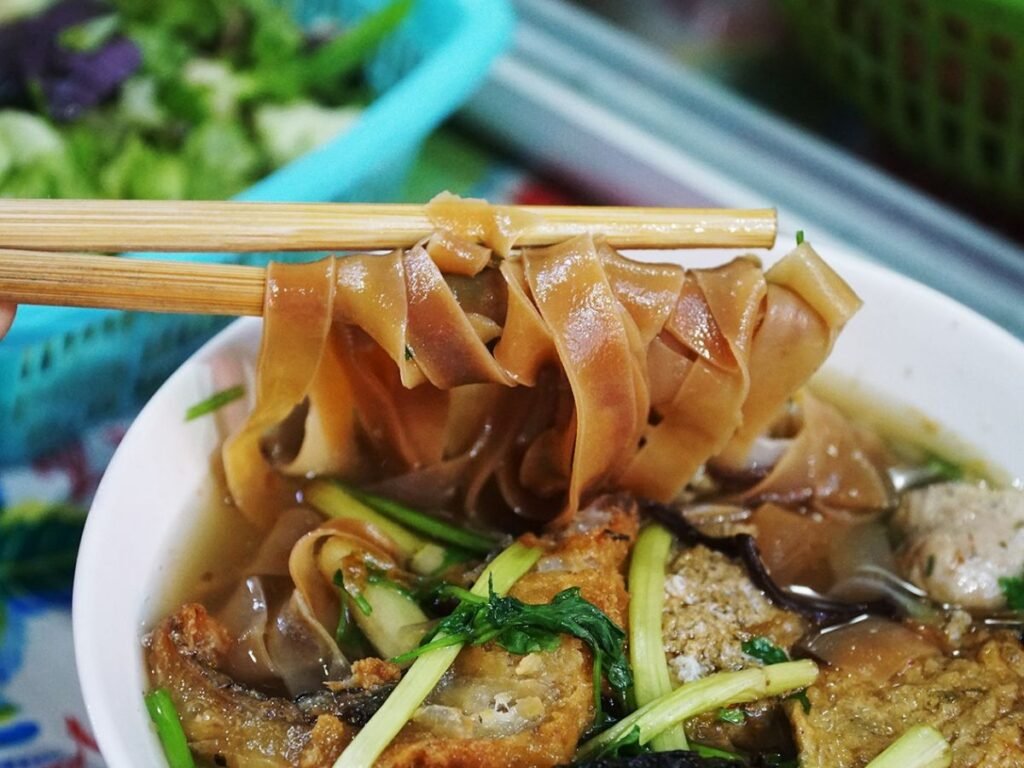
Originating in Hải Phòng, this iconic noodle soup uses chewy red rice noodles (bánh đa), crab broth, fried shallots, and greens (often water spinach). It’s coastal Northern comfort food: briny, savoury, and more seafood-forward than Hanoi soups.
Flavour notes: crab sweetness, sea aroma, savoury broth.
Optional add-ons: crab cake, fish cake, sometimes fried pork.
8. Bún Thang
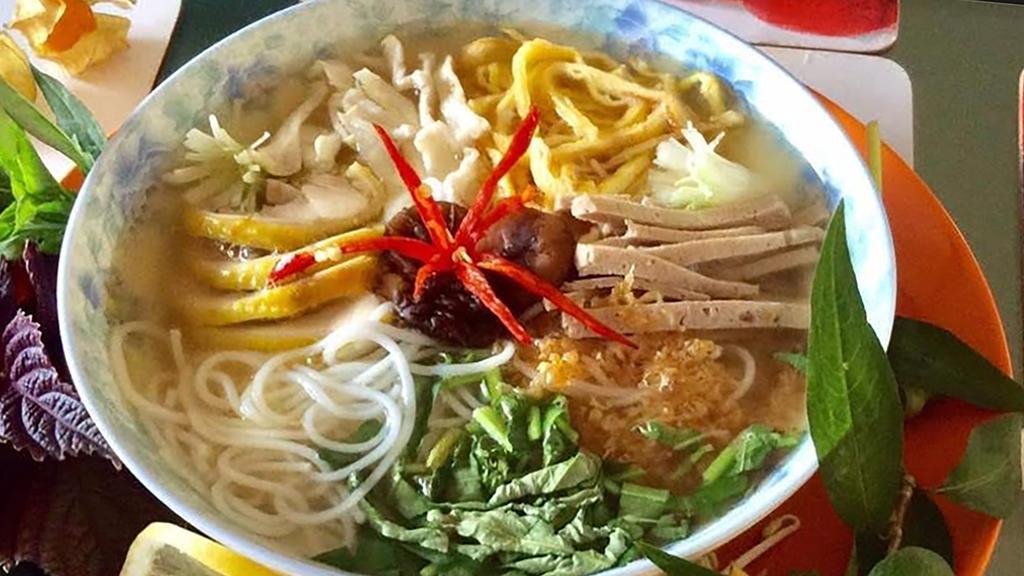
Traditionally prepared at home after Tết (Lunar New Year), bun thang is considered restorative food. Ingredients are sliced extremely thin, including chicken, egg, pork floss, and arranged carefully in a clear broth.
Nothing in bun thang dominates, but harmonizes together. The dish is meant to calm the body after days of rich celebratory meals, reflecting the northern preference for moderation and order.
Central Vietnam: Royal Roots & Bold Flavours
Central Vietnamese cuisine is noticeably bolder. Shaped by harsher living conditions and the legacy of imperial kitchens, food here is saltier, spicier, and more concentrated. Portions tend to be smaller, but flavours are layered and deliberate. Shrimp paste, chilli oil, and fermented ingredients are not accents — they are foundations.
Central Vietnam is home to some of the best Vietnamese dishes for bold flavours and royal culinary influence. The region’s food reflects both necessity and refinement, often combining intensity with careful presentation – creating an explosion of flavour in your mouth!
9. Bún Bò Huế (Spicy Beef & Pork Noodle Soup)
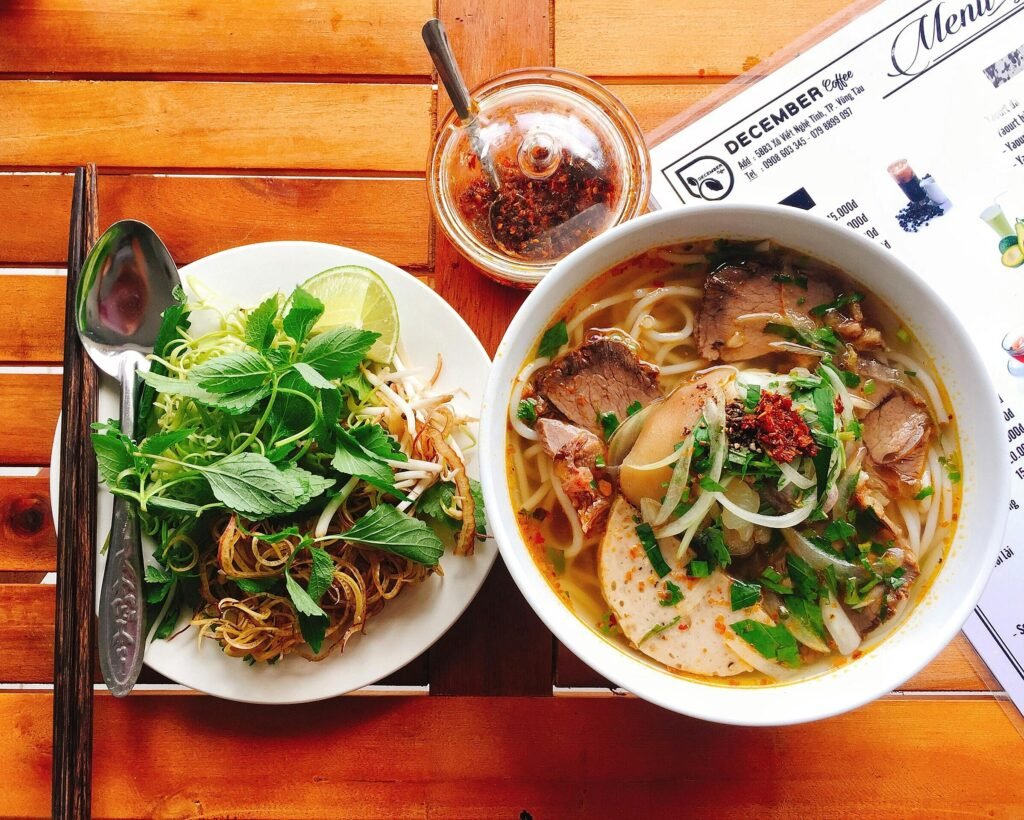
Bún bò Huế is often misunderstood as “spicy phở,” but it is fundamentally different.
The broth is built on beef bones and pork hock, heavily infused with lemongrass and mắm ruốc (fermented shrimp paste). This shrimp paste is pungent and savoury, adding a deep umami funk that lingers on the palate. It is not fishy, but fermented — sharp, salty, and complex.
Chilli oil floats on the surface, adding heat that builds slowly rather than burns immediately. Locals eat this early in the morning, sweating in the humid air, because the dish is believed to energize the body.
This is food that announces itself.
Flavour notes: lemongrass fragrance, chilli warmth, fermented umami depth.
Local tip: The broth’s colour often hints at the balance of chilli oil and spices.
10. Mì Quảng (Turmeric rice noodle)
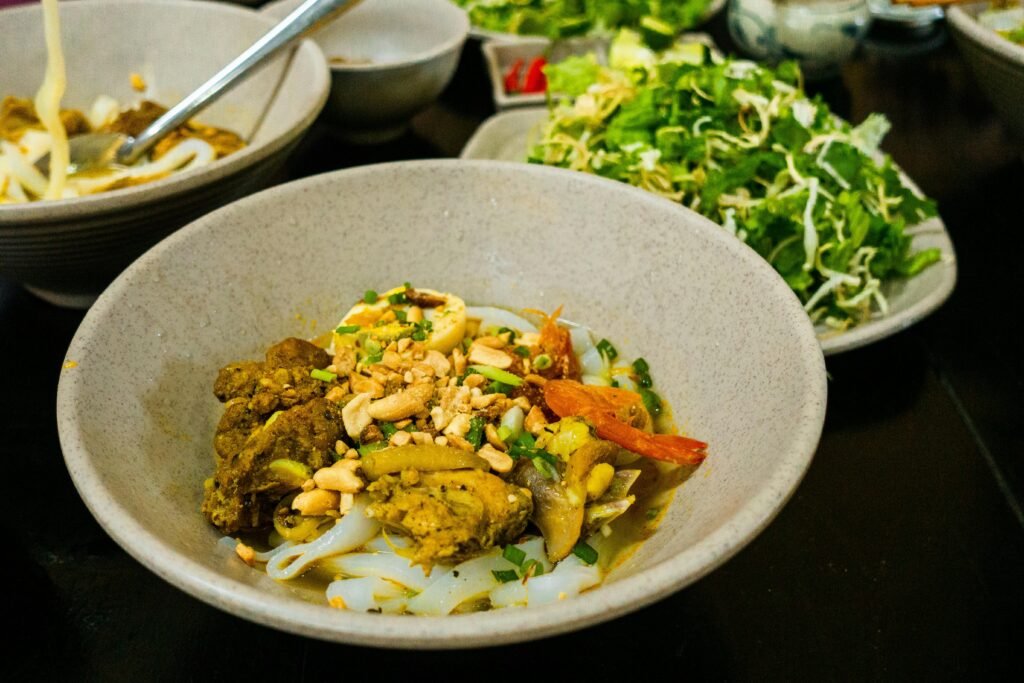
Mì Quảng is intentionally dry. Only a small amount of broth is added, just enough to coat the noodles. The dish relies on contrast: chewy noodles, crunchy peanuts, fresh herbs, and crispy rice crackers.
It reflects Central Vietnam’s practical eating culture: flavour through texture, not abundance.
Flavour notes: nutty peanuts, turmeric aroma, concentrated savoury base.
What makes it Central: bold seasoning without relying on a big soup bowl.
11. Nem Nuong/Nem Lụi (Grilled Pork Skewers)
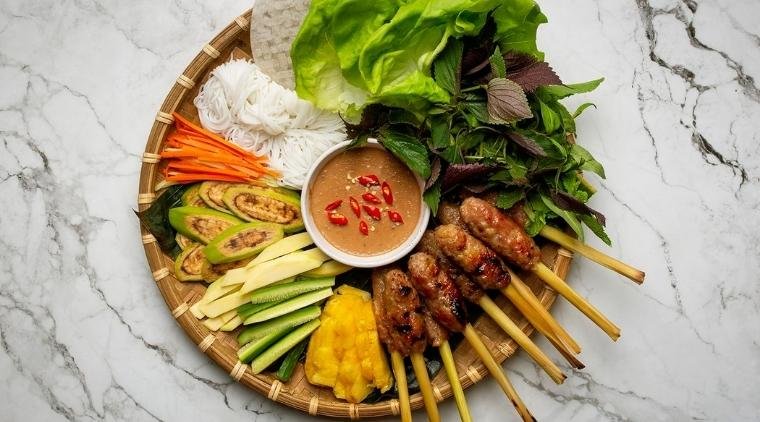
Grilled pork skewers are served with rice paper, herbs, and dipping sauce.
Eating grilled pork skewers is a delightful and social experience: you wrap them yourself, dip them in the sauce, and adjust the flavour, reflecting the relaxed, coastal lifestyle of the city where this dish originated.
Flavour notes: grilled pork fragrance, herb freshness, rich dipping sauce.
Local immersion: it’s interactive—wrapping is part of the meal.
12. Bánh Bèo (Water Fern Cakes)
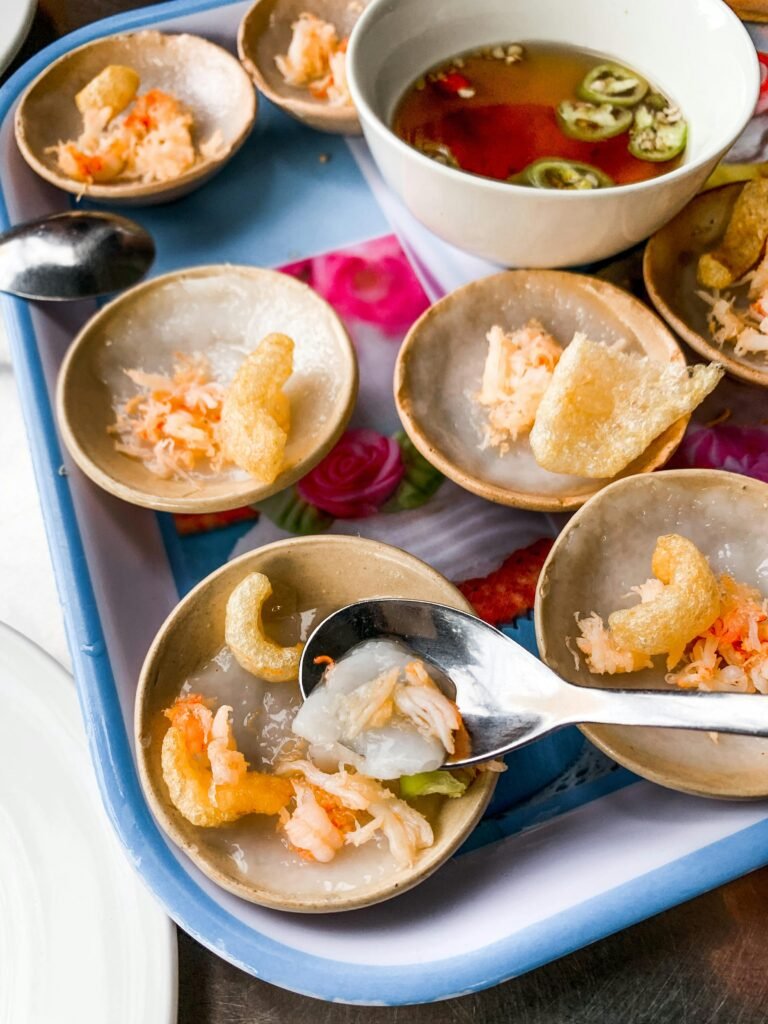
Small steamed rice cakes topped with shrimp, crispy pork fat, and scallion oil. Light in portion but savoury in taste, banh beo carries the elegance of imperial cuisine where refinement mattered more than abundance.
Flavour notes: soft rice base, shrimp savouriness, aromatic scallion oil.
How it’s eaten: multiple small plates, mixed textures, slow pace.
13. Cơm Hến (Baby Basket Clam Rice)
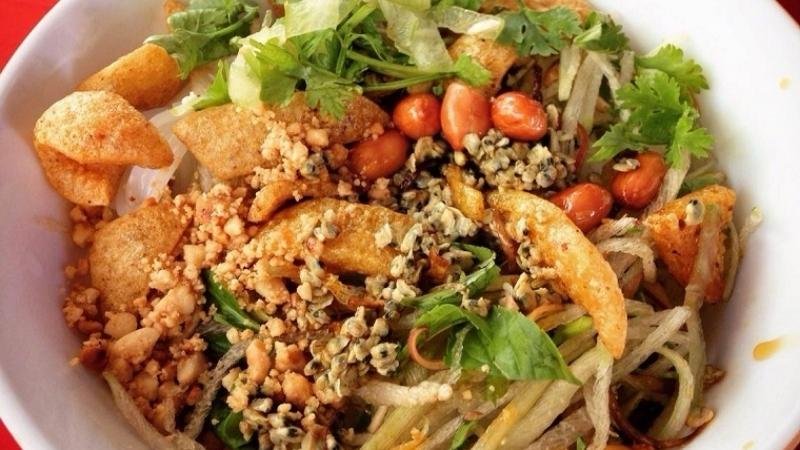
Baby clams mixed with rice or vermicelli, herbs, crunchy bits, and a distinctive Hue seasoning style. It’s lighter than it looks, built around freshness and texture, often with a chilli kick.
Flavour notes: briny clam sweetness, herb lift, crunchy contrast.
Why it’s iconic: a very Hue way of turning simple ingredients into something complex.
14. Bánh Bột Lọc (Vietnamese Tapioca Dumpling)
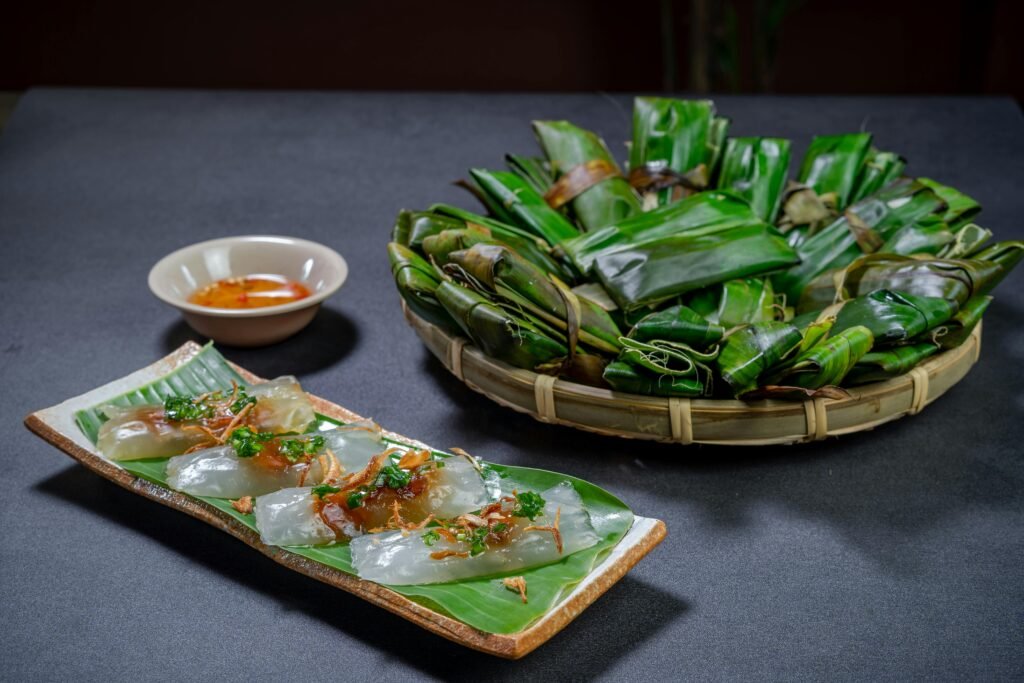
Chewy tapioca dumplings filled with shrimp and pork, served with fish sauce. The texture is often described as elastic, glossy, and satisfying, which makes it the main attraction, while the sauce provides balance.
Flavour notes: chewy tapioca, savoury shrimp and pork mixtures, salty-sweet dip.
15. Cao Lầu (Hoi An Noodle)
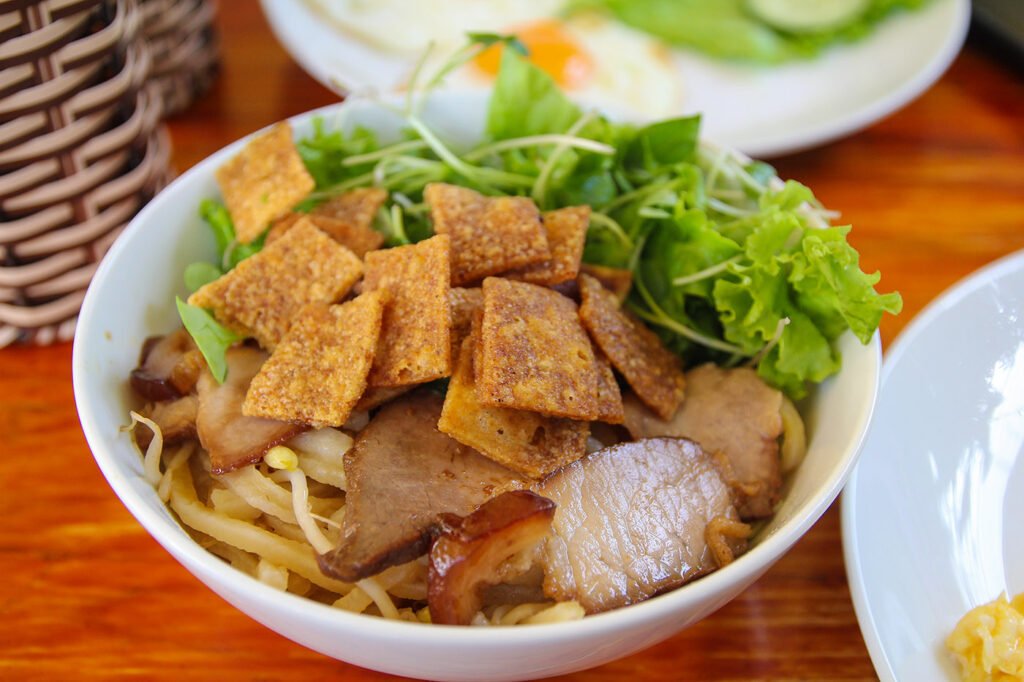
Hội An’s signature noodle dish uses thick, chewy noodles with pork, herbs, and crunchy crouton-like pieces. It’s not a soup; it’s a dry-ish bowl where the noodle texture is the highlight.
Flavour notes: savoury pork, herbal freshness, chewy noodles, crisp topping.
Why it’s famous: highly local—best eaten in Hội An.
16. Bánh Khoái (Hue crispy pancake)
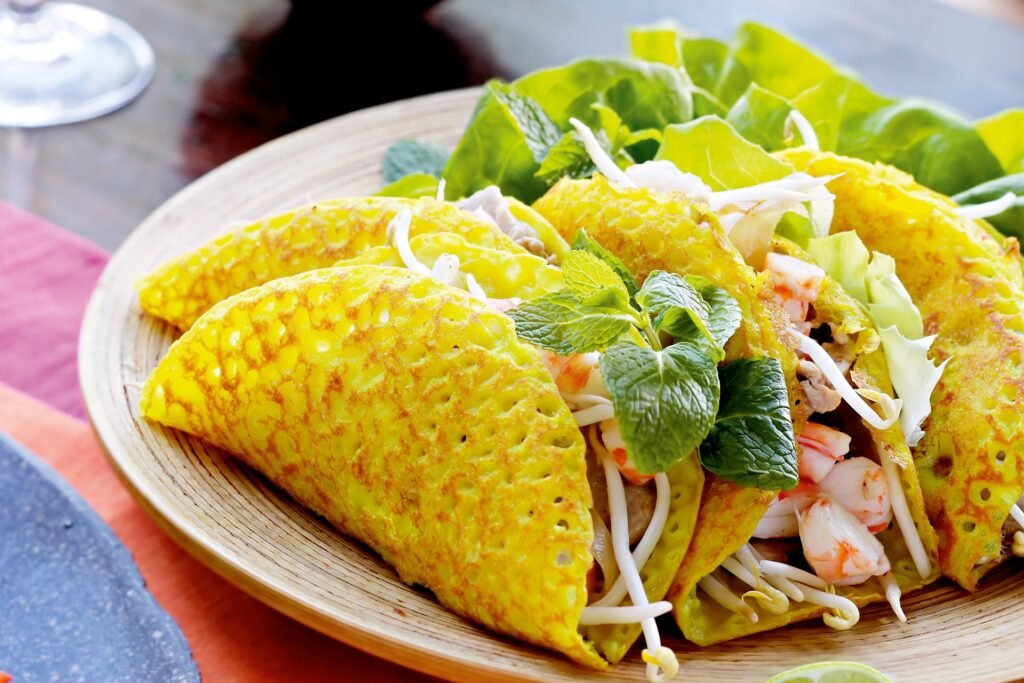
A crisp pancake similar in concept to bánh xèo, but often smaller, thicker, and served with a richer dipping sauce. This is a satisfying Central street food dish with a strong savoury character.
Flavour notes: crispy exterior, savoury filling, rich dip.
Southern Vietnam: Abundance & Energy
Southern Vietnamese food is often described as rich in flavours, full-bodied, and lively. Influenced by tropical ingredients and multicultural communities, the dishes from the Southern regions are often sweeter, richer, and more abundant. Sugar, coconut milk, and fresh herbs are commonly used, creating bold yet comforting flavours. Food in the South is meant to be shared, adjusted, and enjoyed freely. Southern cuisine showcases the best Vietnamese dishes built around abundance, sweetness, and shared meals.
17. Cơm Tấm (Grilled Pork on Broken Rice)
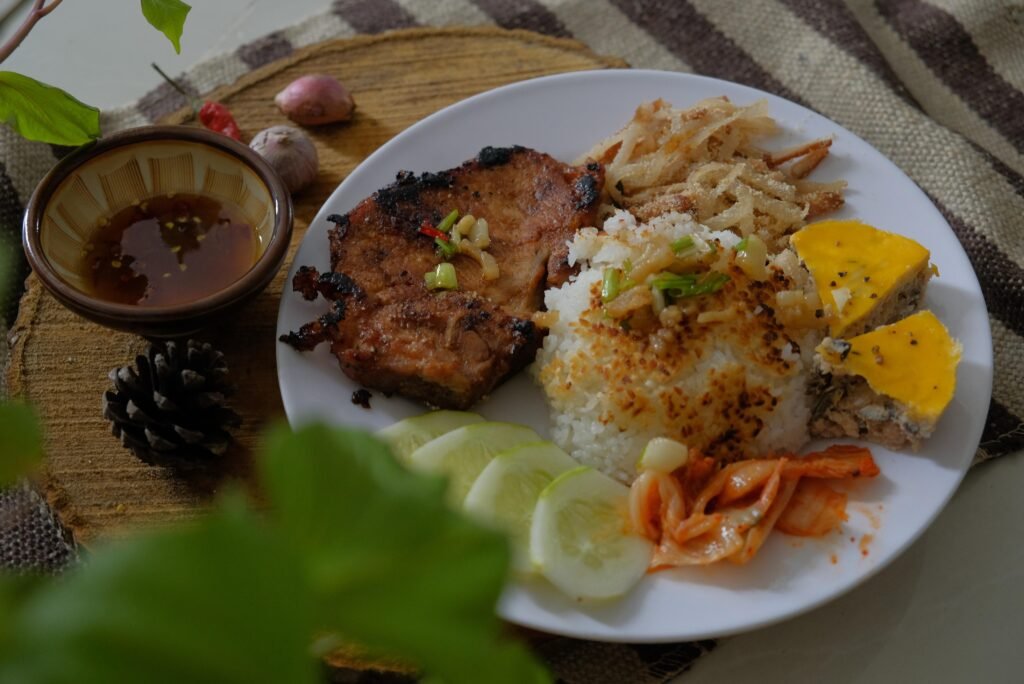
Broken rice served with grilled pork, fried egg, pickles, and fish sauce. Once a working-class meal, com tam has become a staple of everyday life. It is hearty, filling, and eaten at any time of day, reflecting the energetic rhythm of southern life.
Flavour notes: smoky grilled pork, savoury-sweet sauce, refreshing pickles.
Local tell: offer multiple protein options (chop, shredded skin, egg meatloaf).
18. Hủ Tiếu (Vietnamese pork and seafood noodle soup)
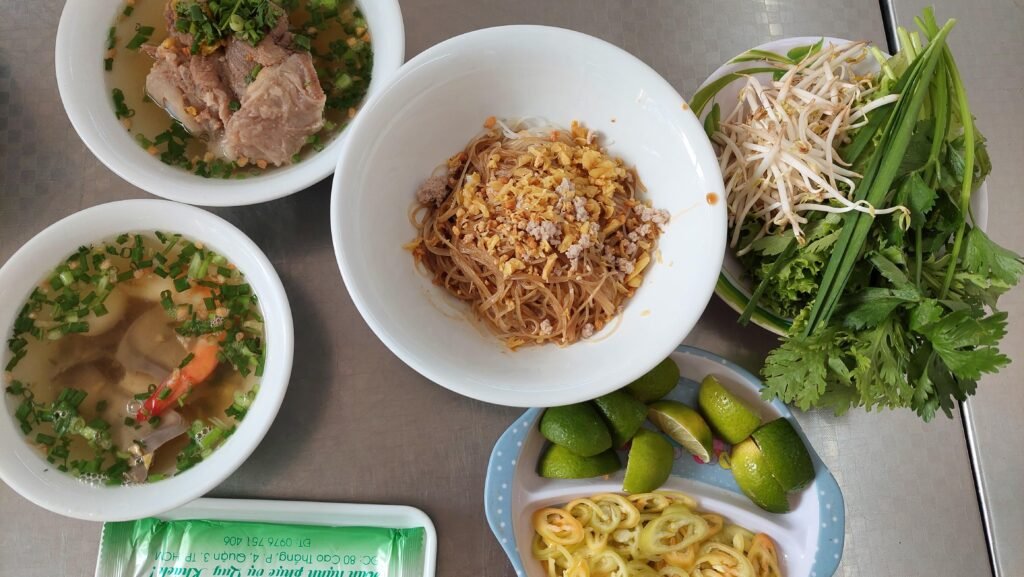
A light yet aromatic noodle soup influenced by Chinese and Khmer cuisine. Hu tieu can be served dry or with broth, and is commonly eaten for breakfast. This showcases the South’s multicultural food heritage.
Flavour notes: light savoury broth, faint sweetness, aromatic herbs.
Why it’s Southern: flexible serving styles, abundant garnishes.
19. Bánh Xèo (Vietnamese Pancakes)
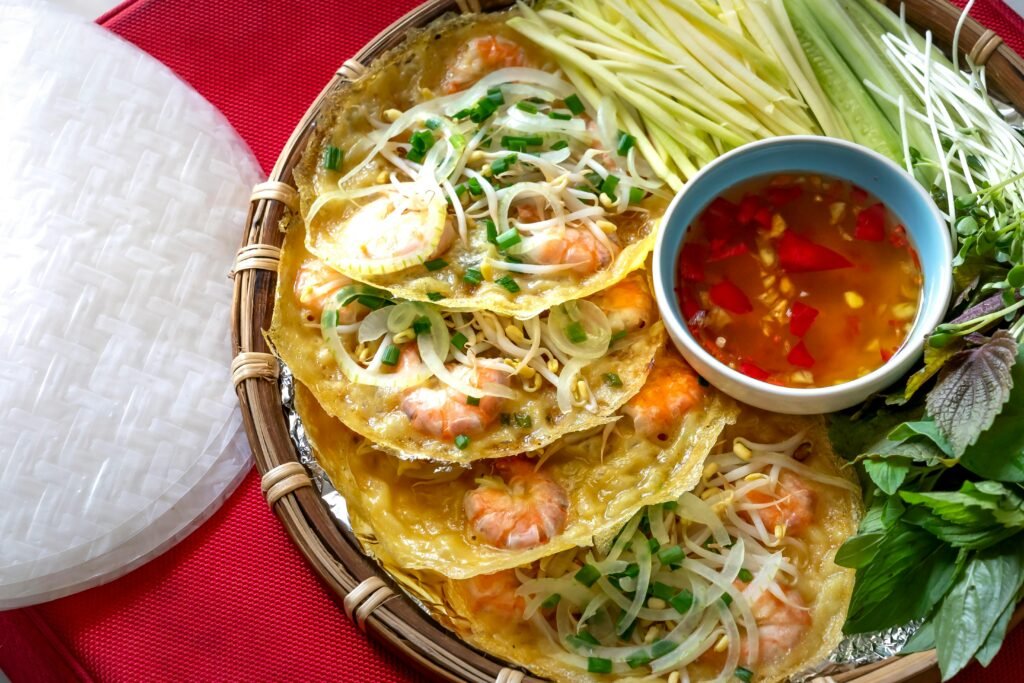
Large, crispy rice pancakes filled generously with shrimp, pork, and bean sprouts. Wrapped in fresh vegetables and dipped in sauce, banh xeo is a messy, social, and indulgent dish. Better shared than eaten alone.
Flavour notes: crisp edges, savoury filling, herb freshness, dip balance.
Immersion tip: Eat it with your hands while wrapping it in fresh herbs.
20. Gỏi Cuốn (Shrimp Fresh Rolls)
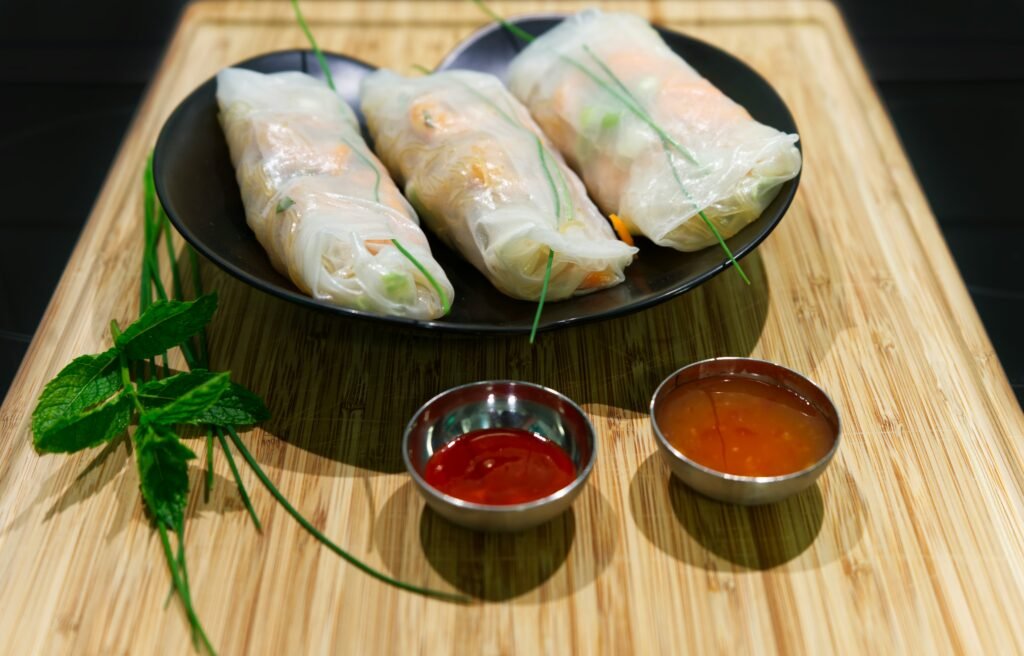
Fresh spring rolls with shrimp, herbs, and vermicelli. Light, refreshing, and communal. This dish emphasizes balance and freshness, often eaten slowly, one roll at a time, amidst conversation.
Flavour notes: herb brightness, soft rice paper, savoury dip.
Difference vs fried rolls: fresh, clean, cooling.
21. Bánh Mì (Banh Mi Sandwich)
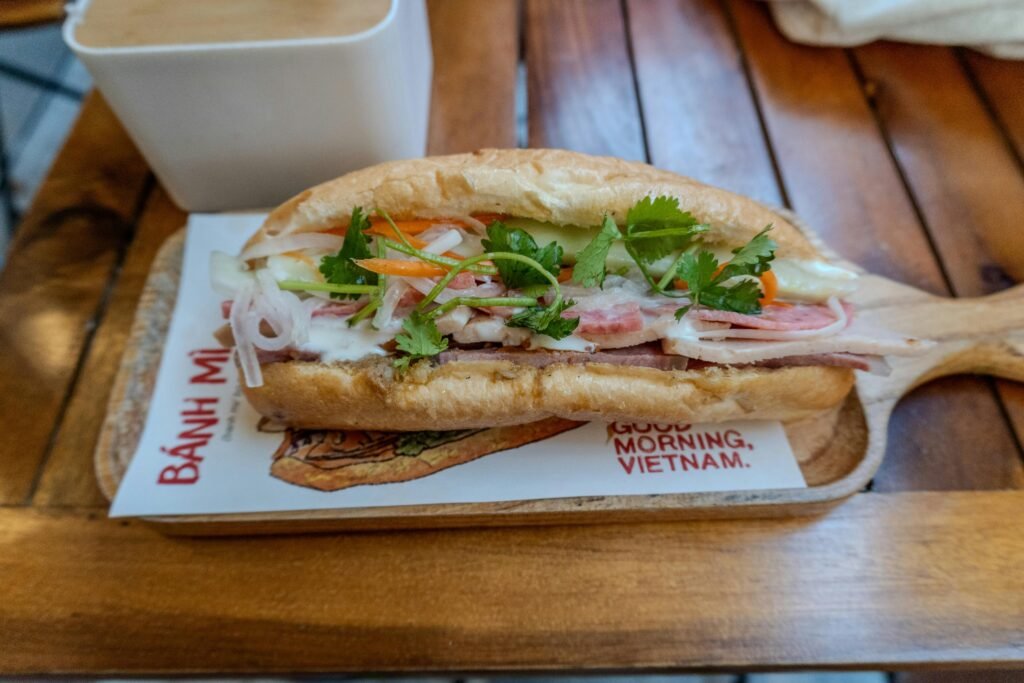
Vietnam’s most iconic street sandwich, banh mi, is built on crusty bread layered with pâté, assorted meats, pickled vegetables, cucumber, fresh cilantro, and chilli. Each region offers its own variations and preferred toppings, with roasted pork belly banh mi and Vietnamese cold-cut banh mi being among the staples and classics.
In contrast, bánh mì with fish cakes, originally from Nha Trang, delivers a distinctly different flavour profile, featuring fried fish cakes combined with fresh herbs, umami depth, and the warmth of black pepper. Bánh mì is a staple of Vietnamese savoury cuisine and is often enjoyed alongside dishes such as bo ne, a sizzling plate of meats and eggs, or Vietnamese beef stew (bò sốt vang). In sweeter contexts, the bread is sometimes torn into small pieces and dipped into fresh milk for creaminess or condensed milk for added sweetness. Simple in its ingredients yet remarkably versatile.
Flavour notes: crunchy outside layer of the bread, while the inside is airy and fluffy, savoury pâté, tangy pickles, chilli heat optional.
22. Cá Kho Tộ (Caramelized Fish in Clay Pot)
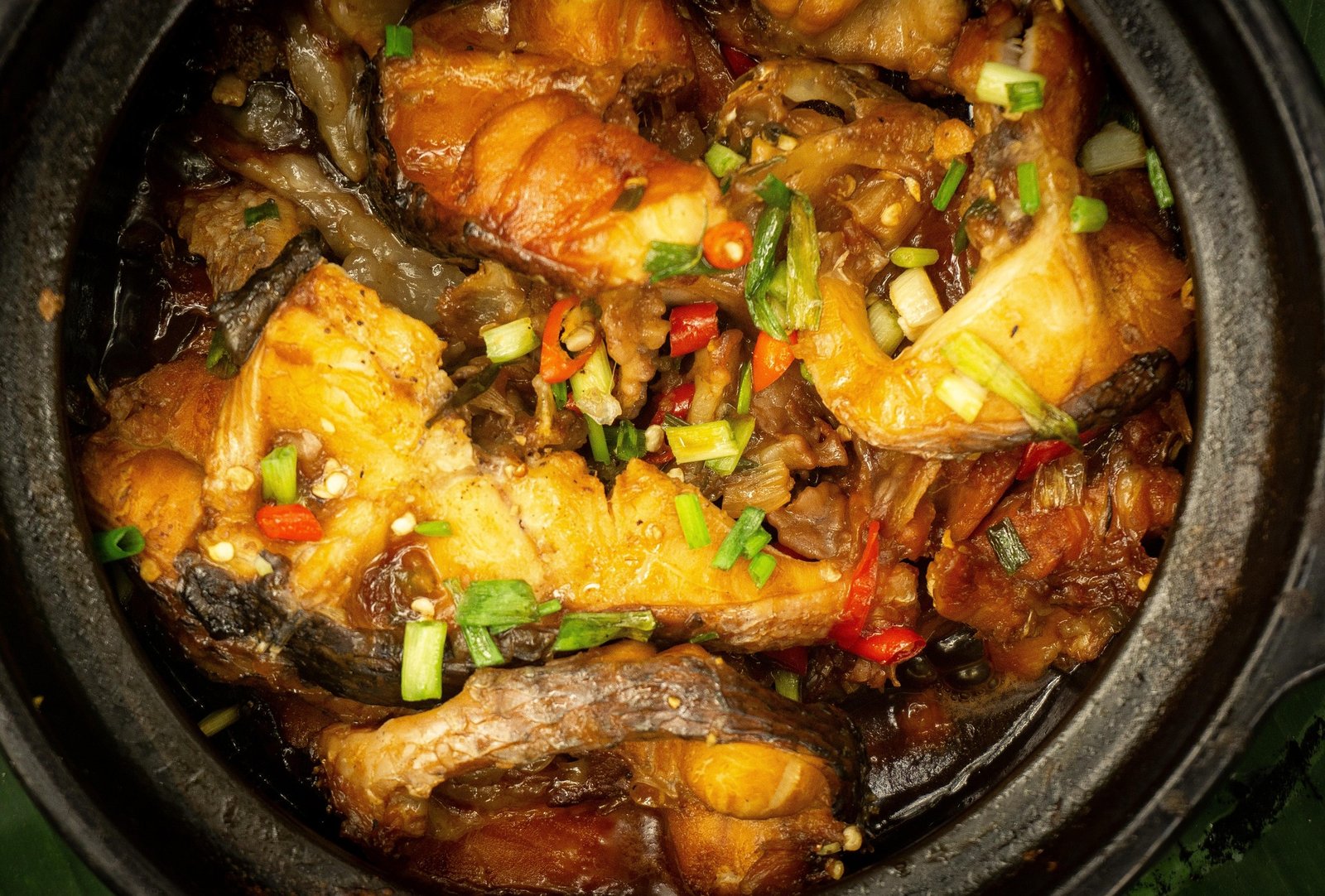
A classic Southern home dish: fish braised until the sauce becomes glossy and deeply savoury-sweet. This is where Southern sweetness makes sense—used for balance and depth, not “dessert.”
Flavour notes: savoury caramel, fish sauce depth, pepper warmth.
Local tell: served with plain rice to absorb the sauce.
23. Canh Chua (Vietnamese Sour Soup)
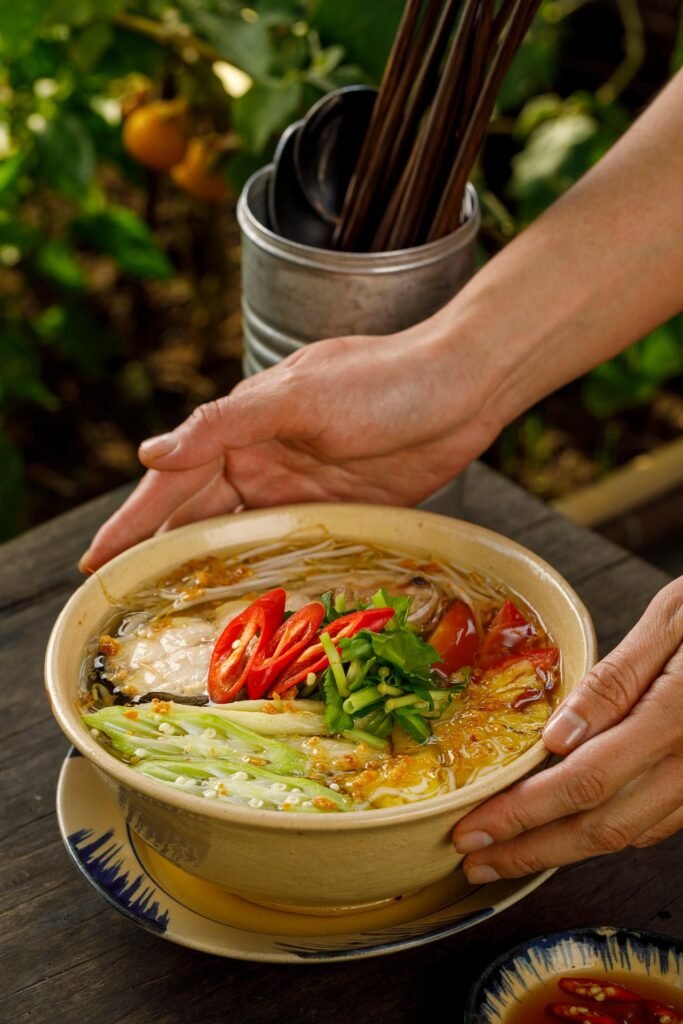
A bright, sour-sweet soup commonly made with tamarind, pineapple, tomato, and fish. It’s a signature Southern flavour structure: sour + sweet + savoury, with herbs added at the end.
Flavour notes: tamarind sourness, pineapple sweetness, umami flavour from the fish, alongside an herbal finish.
Why it’s important: shows Southern cuisine beyond street snacks.
24. Vietnamese Coffee (Phin-Brewed)

Strong Robusta coffee brewed slowly through a phin filter. From egg coffee in Hanoi to bac xiu in Saigon, coffee is more than just a drink!
Flavour notes: bold roast, sweet condensed milk, regional variations in richness and flavour profiles.
Read more in Vietnamese Coffee Culture Explained
How to Use This Guide
This overview is meant to help travellers understand what dishes belong to which regions. For practical details such as where to eat and how to experience these foods locally, explore our destination-specific, [North, Central, & South Link] food guides and Vietnam itineraries.
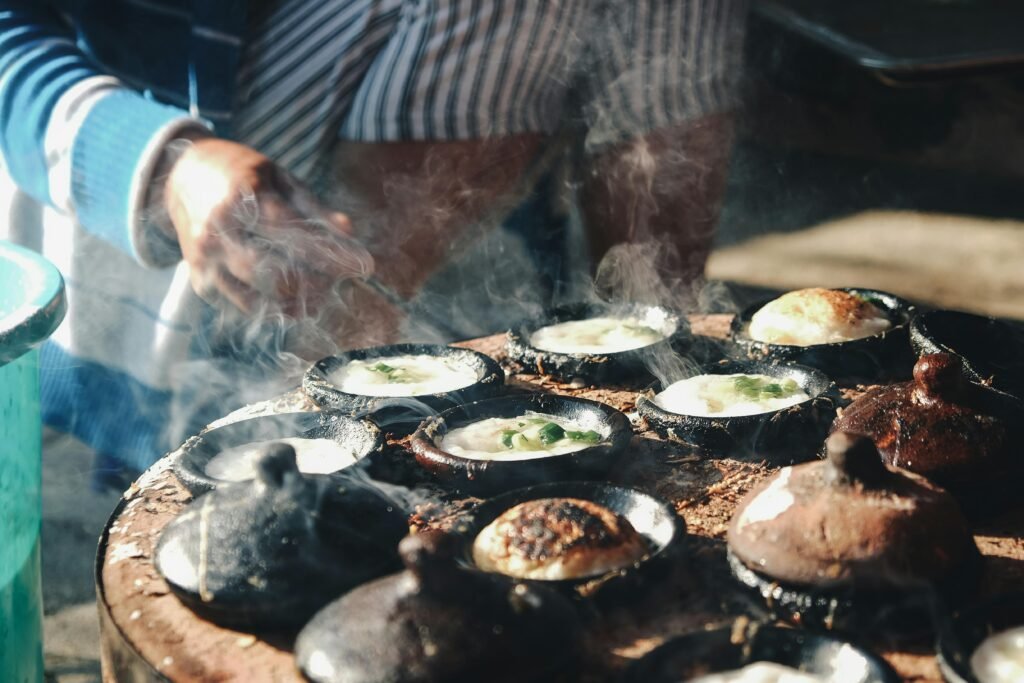
Understanding the best Vietnamese dishes by region allows travellers to experience Vietnam’s food culture in its most authentic form. Vietnamese cuisine is not about presentation or novelty. Tasting food in the right region reveals its true character — whether it is the quiet restraint of the North, the intensity of the Central coast, or the abundance of the South.